
Home Delivery of DASH patterned Groceries Improve BP and LDL Cholesterol: JAMA
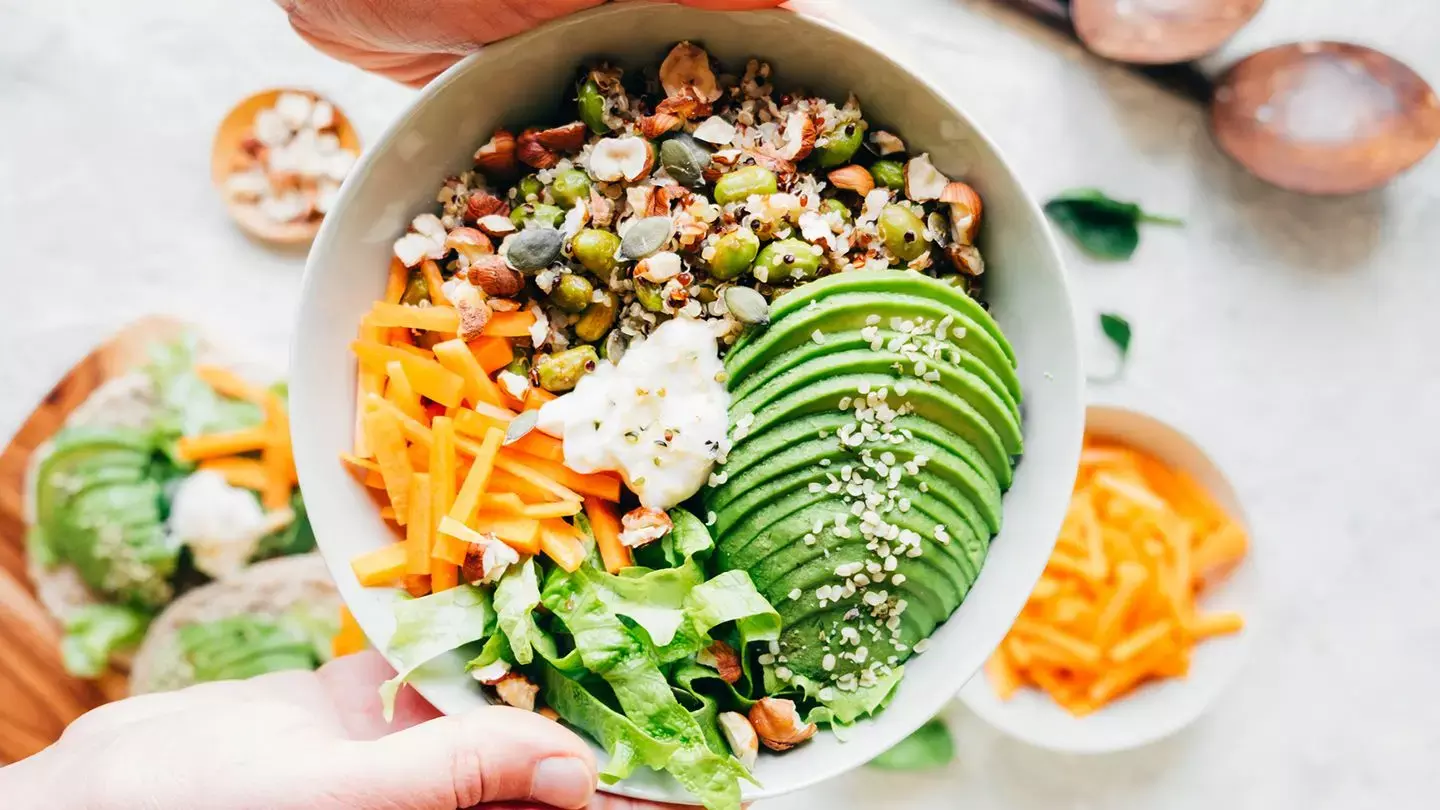


A new study published in the Journal of the American Medical Association showed that when home-delivered Dietary Approaches to Stop Hypertension (DASH) -style foods were combined with dietitian coaching, blood pressure and LDL cholesterol decreased more than when monetary reward was used alone.
Black inhabitants of urban regions with few food shops, a systolic blood pressure of 120 to less than 150 mm Hg, a diastolic blood pressure of less than 100 mm Hg, and no hypertension therapy participated in this parallel-group randomized clinical study in Boston from August 2022 to September 2025. Data analysis took place between June and October of 2025. The participants were randomized to receive either 3 $500 stipends every 4 weeks for self-directed grocery shopping or 12 weeks of home-delivered, DASH-patterned goods bought weekly with dietitian counseling without stressing cost.
The main comparison between the therapies was the difference in the three-month change in the model-estimated office systolic blood pressure (based on three measurements across at least two visits). A 24-hour urine collection was used to measure adherence. Diastolic blood pressure, body mass index (BMI), HbA1c levels, and LDL cholesterol were among the secondary outcomes. Three months after the intervention ended, the effects' maintenance was evaluated.
175 people (97.2%) out of 180 participants (mean [SD] age, 46.1 [13.3] years; 102 females [56.7%]; 180 self-reported Black [100%]; 12 Hispanic [6.7%]) finished the primary outcome assessment. Baseline systolic and diastolic blood pressure readings were 130.0 (6.7) mm Hg and 79.8 (8.1) mm Hg, respectively.
After 3 months, the DASH-patterned group's mean systolic blood pressure dropped by −5.7 mm Hg (95% CI, −7.4, to −3.9 mm Hg) and the self-directed group's by −2.3 mm Hg (95% CI, −4.1 to −0.4 mm Hg) (difference in changes, −3.4 mm Hg; 95% CI, −5.9 to −0.8 mm Hg; P =.009).
After 3 months, the DASH-patterned group's mean diastolic blood pressure changed by −2.4 mm Hg (95% CI, −4.2 to −0.5 mm Hg), urine sodium level by −545 mg/24 h (95% CI, −1041 to −50 mg/24 h), and LDL cholesterol by −8.0 mg/dL (95% CI, −13.7 to −2.3 mg/dL) (to convert LDL cholesterol to millimoles per liter, multiply by 0.0259).
BMI and HbA1c levels were unaffected. Overall, beyond equivalent financial remuneration, a program of home-delivered, DASH-style goods combined with dietitian coaching reduced blood pressure and LDL cholesterol levels. Nevertheless, when the intervention was over, the results were not sustained.
Source:
Juraschek, S. P., Col, H., Ferro, K., Turkson-Ocran, R.-A. N., Cluett, J. L., Davis, R. B., Kraemer, K. M., McManus, K., Mukamal, K. J., Aidoo, E. L., Larbi Kwapong, F., Budu, M., Patil, D., Nartey, S., Michetti, J., Allison, S., Mate-Kole, M., Cao, J., Grobman, B., … GoFresh Collaborative Research Group. (2026). DASH-patterned groceries and effects on blood pressure: The GoFresh randomized clinical trial: The GoFresh randomized clinical trial. The Journal of the American Medical Association, 335(1), 36–48. https://doi.org/10.1001/jama.2025.21112

