
Is your diet driving up your cholesterol? That may depend on your genes: a study suggests
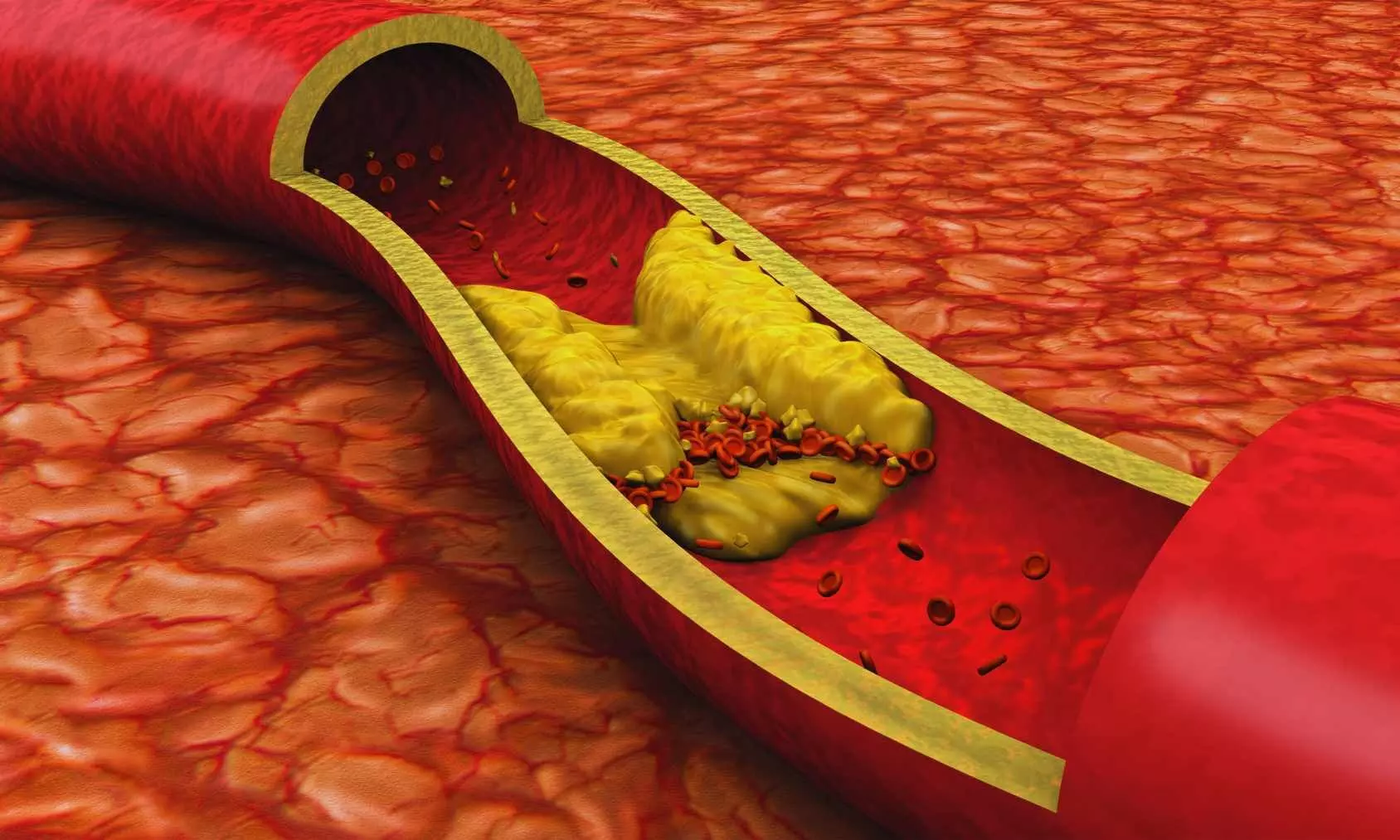


Can a low-carb diet cause your cholesterol to skyrocket? This question has vexed researchers and influencers alike as the popularity of low-carbohydrate diets has surged, yet the evidence has remained mixed. New research suggests that the answer depends on your genes.
According to the study, the high saturated fat intake that tends to accompany a low-carb diet interacts with genetic factors in ways that can increase low-density lipoprotein (LDL) cholesterol, considered a key driver of heart disease risk. The role of genes explains why different individuals can follow the same diet but see different outcomes.
“Our findings suggest that some individuals may be more sensitive to the LDL cholesterol-raising effects of saturated fat, particularly in the context of a low-carbohydrate diet, because of their genetic background,” said Alexa Barad, PhD, RDN, a postdoctoral scholar at Stanford University School of Medicine. Barad will present the findings at NUTRITION 2026, the flagship annual meeting of the American Society for Nutrition, held July 25–28 in National Harbor, Maryland, just outside Washington, D.C.
“These findings highlight that there is real heterogeneity in how people respond to diet. Dietary conversations can sometimes become overly simplified. One person may say, ‘Low-carb diets always raise LDL cholesterol,’ while another says, ‘My LDL cholesterol did not change at all.’ Our findings suggest that both experiences can be true, depending, at least in part, on the individual’s genetic makeup,” said Barad.
Previous studies have shown healthy low-carbohydrate diets can support weight loss and blood sugar control for some people, but these diets have inconsistent effects on LDL cholesterol. Researchers sought to find a way to predict who would likely benefit from a low-carb diet and who may see a dangerous spike in LDL cholesterol.
The research is based on data from DIETFITS, a randomized controlled trial in which over 600 adults followed either a healthy low-carb or healthy low-fat diet for a year. The primary study found that neither diet was superior to the other in terms of weight loss. For the new analysis, researchers assessed the relationships among genotype, saturated fat intake, diet type and change in LDL cholesterol from baseline to 6 months in 431 DIETFITS participants with available genetic data.
Among participants following the low-carb diet, the results showed that those with a genetic predisposition toward elevated LDL cholesterol were more likely to see their cholesterol rise. The results also showed that this was driven by a greater sensitivity to saturated fat, meaning that people at higher genetic risk had the largest increases in LDL cholesterol when they consumed more saturated fat. People following a low-fat diet did not show the same patterns.
Unlike prior studies, which have mostly focused on single genetic variants, researchers combined thousands of genetic variants across the genome (creating what is known as a polygenic score) to estimate each participant’s overall tendency for higher or lower LDL cholesterol. In the future, Barad said clinicians could potentially use polygenic scores to help identify people who are more likely to experience adverse LDL cholesterol responses to certain dietary modifications.
However, even without genetic testing, the study offers an important lesson that the response to diet can vary from person to person, underscoring the need to monitor how your body is responding to a dietary change rather than assuming the results will be the same for everyone, Barad added.
Further studies could help to confirm the findings and ensure they apply broadly to diverse populations. General dietary guidance suggests limiting saturated fat to less than 10% of daily calories and favoring unsaturated fats. For those choosing a low-carbohydrate diet, emphasizing healthier fat sources such as nuts, seeds, olive oil and avocado over foods high in saturated fat such as butter, beef tallow, fatty cuts of meat and processed meats may help reduce the risk of adverse cholesterol responses, Barad noted.
Reference:
Is your diet driving up your cholesterol? That may depend on your genes, American Society for Nutrition, Meeting: NUTRITION 2026.
