Coastal Humidity Accelerates Hearing Aid Damage and Microbial Growth, Study Finds
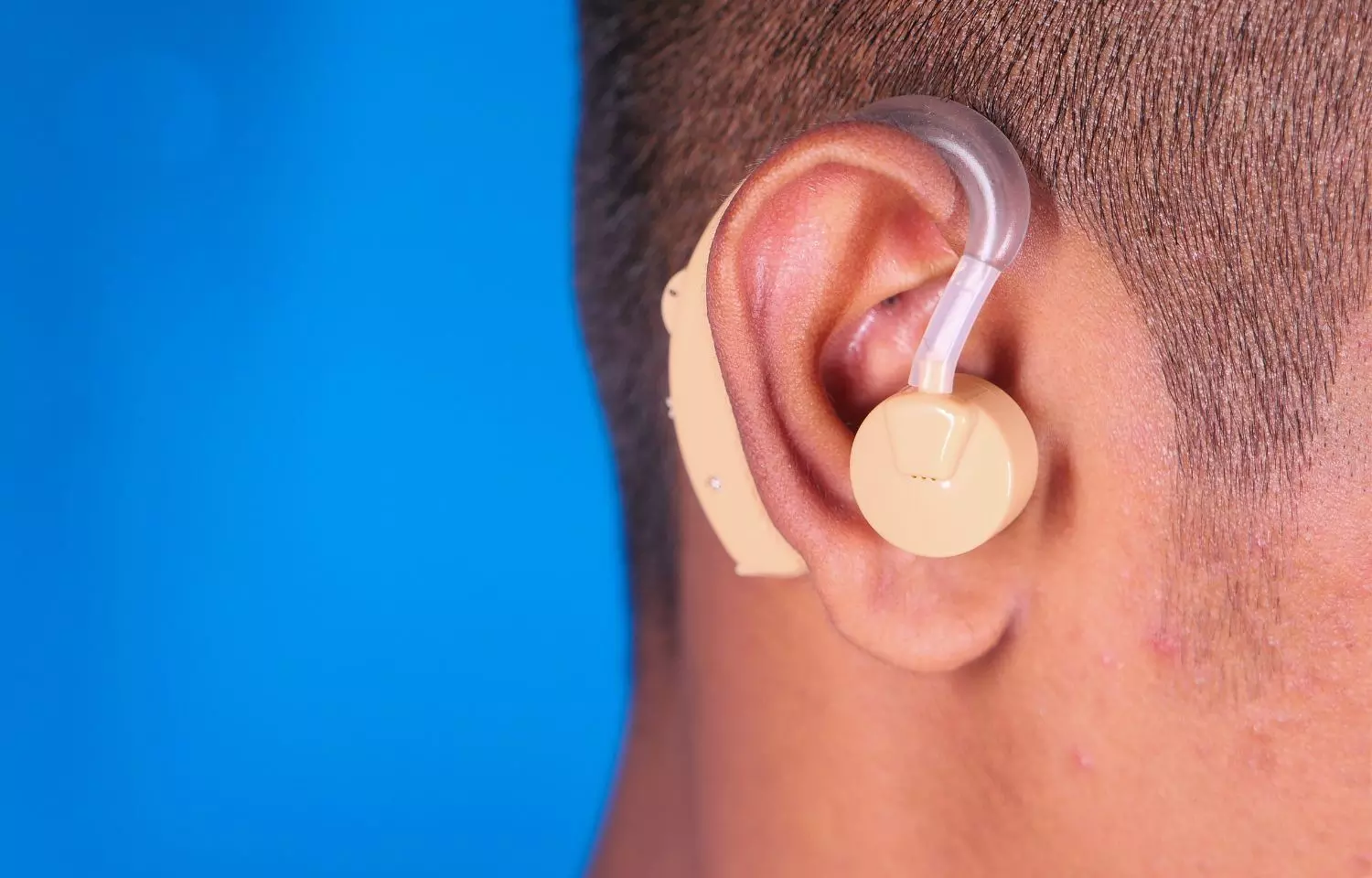


A recent observational study published in the International Journal of Otorhinolaryngology and Head and Neck Surgery in August 2026 reveals that coastal humidity rapidly degrades hearing aids and fuels a 78% microbial biofilm rate. These findings emphasize the critical need for stronger environmental protections for audiological devices.
Previous laboratory tests have failed to capture how everyday sweat and coastal salinity actually degrade hearing aids. To address this gap, Dr. Shwetha C. Poojary evaluated the real-world longevity and microbial colonization of these devices among patients in tropical India.
Therefore, the coastal study analyzed 412 repair logs and 150 earmolds to evaluate real-world hearing aid mechanical failures and routine microbial colonization. Patients with active ear infections were explicitly excluded to ensure the findings reflected everyday microbial growth rather than acute infections.
Key Clinical Findings of the Study Includes:
• Widespread Microbial Colonization: Investigators found a clinically concerning 78% microbial colonization rate among the 150 surveyed earmolds, frequently presenting as complex polymicrobial biofilms deeply embedded in the device matrices.
• Prevalent Opportunistic Pathogens: The study revealed that environmental molds and opportunistic bacteria heavily dominated the flora, with Aspergillus niger (41.5%) and Pseudomonas aeruginosa (38.4%) serving as the most common fungal and bacterial isolates, respectively.
• High Incidence of Transducer Failure: Researchers noted that moisture-related damage primarily compromised acoustic transducers, with receiver malfunctions (38.3%) and microphone failures (29.1%) driving the majority of clinical repair visits.
• Vulnerability of Receiver-In-Canal Devices: Analysis demonstrated that modern Receiver-In-Canal (RIC) models are significantly more vulnerable to tropical coastal climates, failing much earlier at an average of 14.2 months compared to the 21.5-month average survival time of traditional Behind-The-Ear (BTE) models.
The results suggest that pervasive atmospheric salinity and persistent high humidity act synergistically to drastically shorten digital device lifespans—particularly for RIC configurations, failing at 14.2 months—while simultaneously cultivating a 78% rate of potentially pathogenic biofilm colonization within the external auditory canal.
Thus, the study concludes audiology professionals practicing in tropical and monsoonal climates should transition away from passive chemical drying kits towards prescribing active forced-air ultraviolet-C (UV-C) desiccation systems, while emphasizing rigorous, daily antimicrobial maintenance protocols during patient counseling.
A minor limitation of the research is its exclusive geographic focus on a single monsoonal region, which might not perfectly reflect device durability in non-coastal areas. Nonetheless, these insights mildly indicate a broader need for future research focused on developing intrinsically antimicrobial polymers and redesigning hearing aid architecture to better isolate delicate microelectronics from harsh environmental stressors.
Reference
Poojary SC. The study of hearing aid durability and microbial colonization in a coastal region in India. Int J Otorhinolaryngol Head Neck Surg. 2026;12(4):498-504.