Fat Plug Myringoplasty Yields Higher Closure Rates in Small Tympanic Membrane Perforations: Study
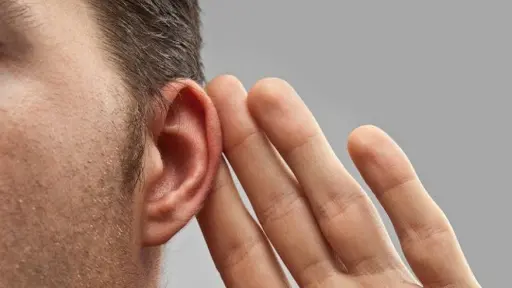


A recent study published in Cureus journal has shown that fat plug myringoplasty produces higher closure rates and is more reliable for the treatment of small tympanic membrane (TM) perforations than is collagen patch repair. The study concluded that although both techniques are office-based, minimally invasive, and effective, the fat plug technique was superior in terms of longer-term healing success and can be considered a viable office-based otologic surgery option. Untreated small TM perforations can result in chronic ear infections, conductive hearing loss, and cholesteatoma; thus, easy access to effective repair methods is important. The study was conducted by Rajeshwari Nachiyar and Rajasekar M K.
Traditionally, tympanoplasty using temporalis fascia has been the standard procedure for TM repair. There has been an increasing interest in various less invasive and cost-effective approaches suitable for outpatient settings, such as collagen patch and fat plug myringoplasty. These techniques involve minimal surgical trauma, less need for anesthesia, and quicker recovery compared to traditional methods. The study, conducted at Sree Balaji Medical College and Hospital, Chrompet, Chennai, is aimed at comparing the efficacy and healing outcomes of these two techniques in adult patients presenting with small central perforations of the tympanic membrane.
This clinical trial prospectively included 46 patients aged between 20 and 50 years with small central TM perforations. Patients were then randomly assigned to undergo either collagen patch myringoplasty or fat plug myringoplasty. The postoperative evaluation was made by otoscopic examination and audiometric testing at baseline and one and two months after surgery. The primary parameters evaluated were the closure rate of the perforation and improvement in the air-bone gap, reflecting hearing recovery.
Results and Outcomes
• There was marked postoperative improvement in hearing in both myringoplasty techniques, as evidenced by a highly significant reduction in the air-bone gap (p < 0.0001).
• There was complete closure of the perforation in 91.3% after fat plug myringoplasty and 78.3% after collagen patch myringoplasty in the two-month follow-up.
• This indicates the superiority in the rate of full TM closure in the fat plug technique over the collagen patch technique.
• The failure rate was also lower in the fat plug group, particularly in traumatic perforations and residual perforations following myringoplasty.
• More incomplete healing was recorded among the collagen patch group.
• Infection and otomycosis during the healing phase were the most common factors that accounted for graft failure in both groups.
• With similar early healing rates, the fat plug method presented better long-term integrity of the membrane.
Both collagen patch and fat plug myringoplasties were effective in the repair of small-sized tympanic membrane perforations and the improvement of hearing function. However, fat plug myringoplasty yielded better closure rates and fewer postoperative failures. The findings reinforce that the fat plug technique is a safe, efficient, and cost-effective option for tympanic membrane repair, offering promising results in minimally invasive otologic surgery.
Reference:
Nachiyar R, M K R (October 31, 2025) Surgical Outcomes of Collagen Patch Versus Fat Plug in the Repair of Tympanic Membrane Perforations: A Prospective Study . Cureus 17(10): e95825. doi:10.7759/cureus.95825