
Hearing aid prescriptions not associated with changes in memory and thinking: Study
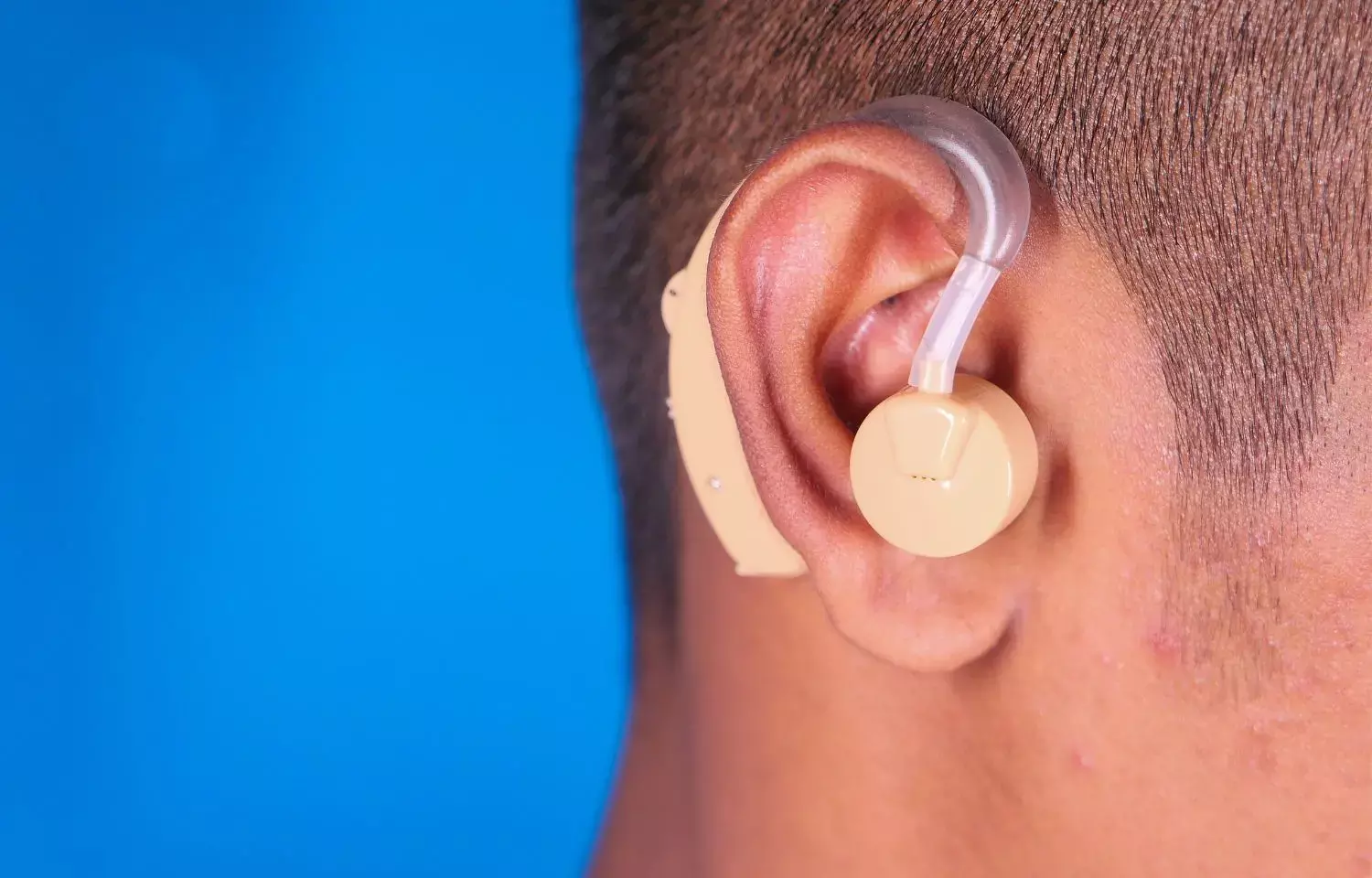


A new study has found that for people with moderate hearing loss, being prescribed hearing aids had little impact on cognitive test scores. The study was published on January 14, 2026, in Neurology®, the medical journal of the American Academy of Neurology.
“Hearing loss is more common as we age and previous research has found it may increase the risk of memory and thinking problems, including dementia, but less is known about how treating hearing loss with hearing aids may impact brain health,” said study author Joanne Ryan, PhD, of Monash University in Melbourne, Australia. “Our study followed people with hearing loss, some of whom were prescribed hearing aids and some who were not, and found cognitive scores were similar for both groups. However, we also found that hearing aids were associated with a lower risk of dementia.”
Researchers looked at 2,777 people in Australia with an average age of 75 who did not have dementia at the start of the study. All participants had moderate hearing loss, defined as self-reported hearing problems, but had never used hearing aids.
During the study, 664 people were prescribed hearing aids. Those prescribed hearing aids answered questions about how often they used them.
They were followed for seven years and completed cognitive tests annually. These tests measured skills like memory, language and speed. During the study, 117 people developed dementia.
Researchers compared people who were prescribed hearing aids with those who were not.
Researchers found average cognitive test scores were similar for both groups during the study. Having hearing aids was not associated with better scores.
But when looking at risk of dementia, after adjusting for age, sex and conditions like diabetes and heart disease, researchers found that people prescribed hearing aids had a 5% risk of developing dementia during the study, compared to 8% for those who were not. This was equivalent to a 33% lower dementia risk.
Ryan said finding a lower dementia risk but little improvement in cognitive test scores is unexpected but may be explained by several factors. “One factor could be that most study participants had good cognitive health when the study started, reducing the potential for improvement with hearing aids.”
In addition, researchers found that after adjustments those prescribed hearing aids had a 36% risk of developing cognitive impairment, which includes cognitive decline and dementia, compared to 42% for those who were not. This was equivalent to a 15% lower risk of cognitive impairment.
Researchers found that as people used their hearing aids more often, their risk of dementia declined proportionally.
“While we didn’t find a difference in cognitive scores, our study suggests that for older adults with hearing loss, using hearing aids may lower the risk of dementia and cognitive impairment, benefiting brain health,” said Ryan. “Further studies are needed to understand the ways hearing aids may support memory, thinking and brain health overall.”
A limitation of the study was that most participants were healthy and had good cognitive skills at the start, so the results might not be the same for people who are less healthy or already have memory problems.
Reference:
Joanne Ryan, Treating Hearing Loss With Hearing Aids for the Prevention of Cognitive Decline and Dementia, Neurology, https://doi.org/10.1212/WNL.0000000000214572
