Microvascular Damage May Cause Age-Related Hearing Loss, Suggests Review
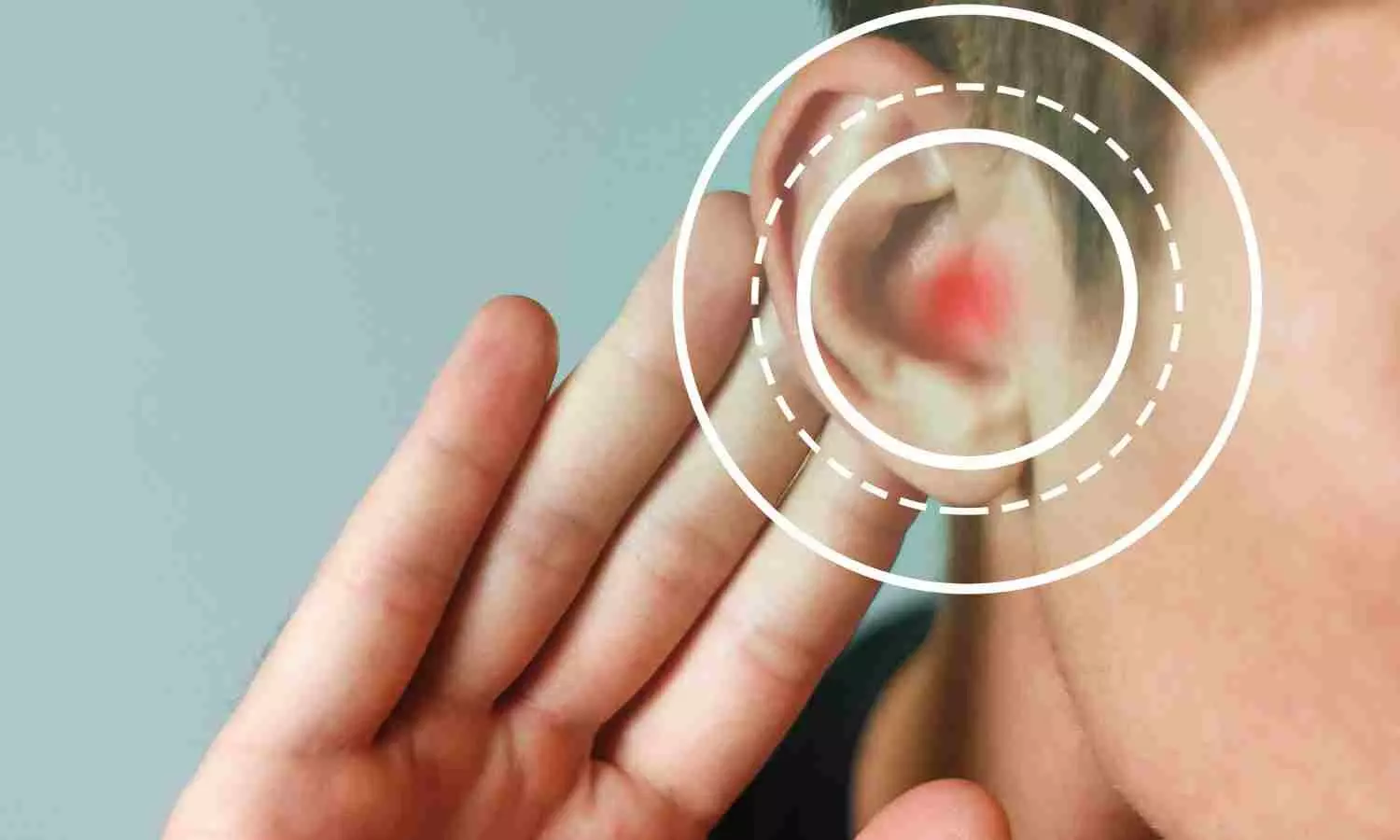


A recent narrative review published in the Indian Journal of Otology in August 2026 suggests that microvascular damage may be a key culprit behind age-related hearing loss. This vascular decline could be the hidden driver of a condition affecting nearly 30% of adults over 65 and half of those over 75.
While age and noise exposure are well-known causes of presbycusis, the specific impact of endothelial dysfunction on the inner ear's blood supply remains poorly understood. To address this gap, Vivek Taneja and Mahendra Kumar Taneja reviewed how impaired nitric oxide signaling, oxidative stress, and reduced blood flow accelerate sensorineural hearing loss.
Therefore, the narrative review screened 147 database records through June 2026, selecting 34 relevant human and animal studies after excluding non-mechanistic reports and abstracts. The analysis evaluated how endothelial impairment drives inner ear hypoperfusion, strial damage, and hearing decline, alongside targeted lifestyle interventions.
Key Clinical Findings of the Review Include:
Cochlear Microischemia: Endothelial inflammation and vessel wall thickening restrict microvascular perfusion within the stria vascularis and spiral ligament, causing inner ear hypoxia, endolymphatic ionic disruption, and progressive sensory hair cell loss.
Nitric Oxide Deficit: Downregulated endothelial nitric oxide synthase activity reduces protective NO bioavailability, allowing unmitigated reactive oxygen species to generate cytotoxic peroxynitrite that damages delicate auditory neurovascular structures.
Metabolic Threshold: Microvascular hearing vulnerability sharply escalates with defined cardiometabolic derangements, specifically a waist circumference surpassing 40 inches in men and 35 inches in women, serum triglycerides exceeding 150 mg/dL, high-density lipoprotein cholesterol falling below 40 mg/dL in men and 50 mg/dL in women, and plasma homocysteine rising above 15 µmol/L.
Genetic Susceptibility: Inherited variants, notably the endothelial nitric oxide synthase Glu298Asp polymorphism and methylenetetrahydrofolate reductase mutations, directly compromise vascular tone regulation and homocysteine clearance.
Vascular Intervention: Non-pharmacological approaches, including 15 to 20 minutes of daily resistance training, morning sunlight walks, and modified Bhramari Pranayama breathing exercises, stimulate endothelial NO production and support cochlear resilience.
The results suggest that systemic ED constitutes an essential pathophysiological link between microvascular impairment and age-related hearing loss, a condition projected to affect roughly 30% of individuals past age 65 and nearly 50% beyond age 75. Consequently, preserving endothelial integrity represents a promising clinical target to mitigate inner ear hypoperfusion and attenuate sensorineural auditory decline.
Thus, the review concludes that healthcare professionals might consider evaluating systemic vascular and metabolic risk profiles in aging patients presenting with auditory impairment while gently encouraging accessible lifestyle adjustments, including regular physical activity, balanced nutrition, and stress-reducing breathing practices, to support cochlear perfusion.
While the narrative synthesis outlines plausible pathophysiological connections rather than establishing definitive causality or pooled statistical effect sizes, well-designed prospective trials investigating endothelial biomarkers and genetic modifiers could offer valuable precision in developing targeted hearing-preservation protocols.
Reference
Taneja V, Taneja MK. Endothelial dysfunction as a key contributor to cochlear microvascular impairment and age-related hearing loss: A narrative review. Indian J Otol 2026;32:197–201.