
Delayed H. pylori Eradication Linked to Higher Fracture Risk: Study
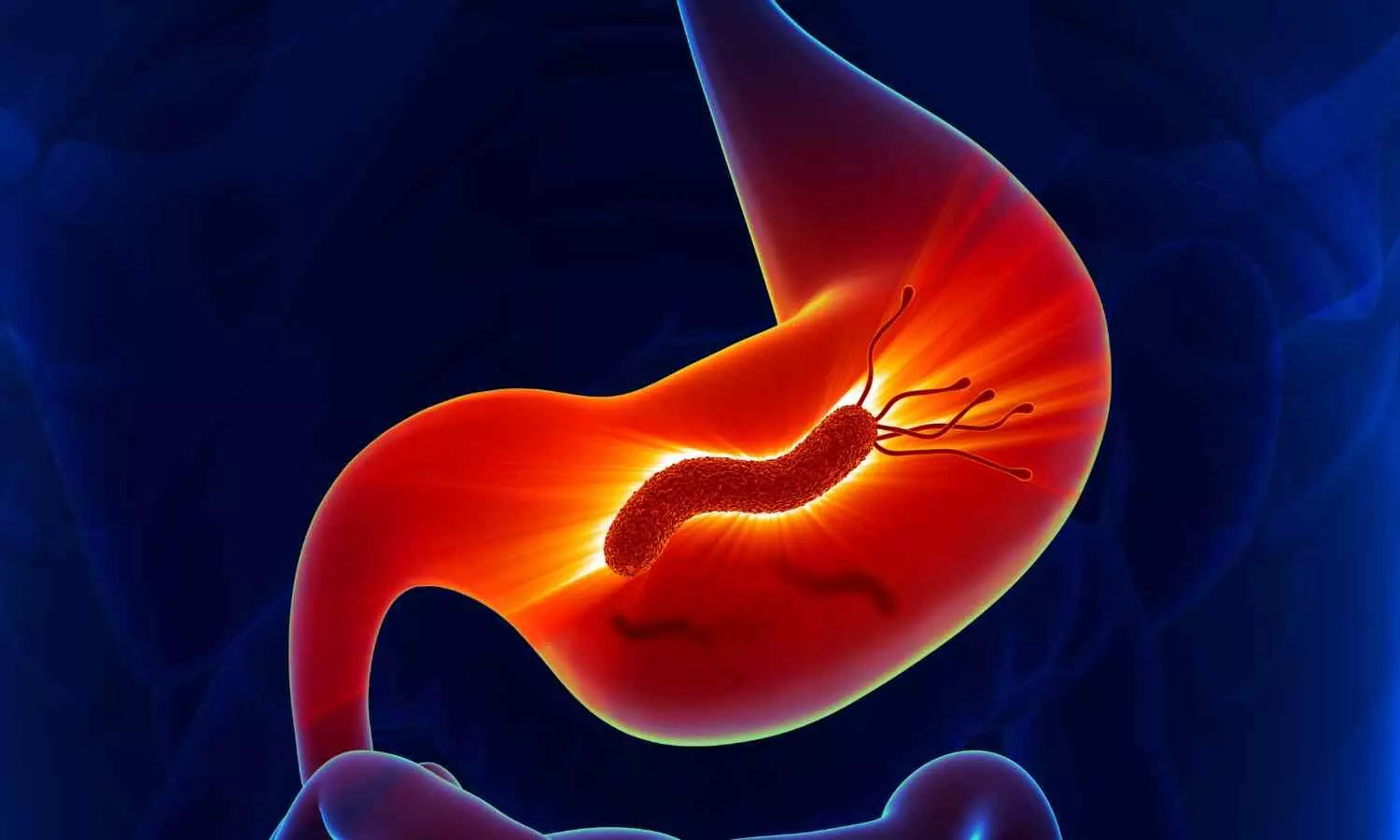


China: A population-based retrospective cohort study from Hong Kong, published in the Journal of Gastroenterology and Hepatology, found that delayed or unsuccessful eradication of Helicobacter pylori is associated with an increased risk of fractures compared to individuals without the infection. These findings highlight the importance of timely and effective treatment of H. pylori to reduce long-term complications beyond the gastrointestinal system.
The study, led by Jing Tong Tan and colleagues from the University of Hong Kong, analyzed data from a large cohort of 322,180 patients between 2003 and 2012. Participants either received clarithromycin-based triple therapy for H. pylori infection or were confirmed to be uninfected following upper endoscopy. Based on treatment outcomes, patients were categorized into three groups: those without infection, those with successful eradication, and those with delayed or failed eradication. They were then followed for fracture development, death, or until the study period concluded, whichever occurred first.
Key Findings:
- Over a median follow-up of 11.5 years, 16,935 individuals (5.3%) developed fractures involving the hip, vertebrae, forearm, humerus, and wrist.
- Most participants were H. pylori-negative (77.9%), while 19.2% had successful eradication and 2.9% experienced delayed or failed treatment.
- After adjusting for confounding factors such as age, sex, comorbidities, and medication use, successful eradication was not associated with an increased fracture risk (HR: 1.02), showing comparable risk to uninfected individuals.
- Delayed or failed eradication was associated with a significantly higher fracture risk, with a 37% increase compared to H. pylori-negative individuals (HR: 1.37).
- Among patients with delayed or failed eradication and a prior history of gastric ulcer, fracture risk was more than doubled (HR: 2.21).
- Even in those without a history of gastric ulcer, delayed or failed eradication was linked to an increased fracture risk (HR: 1.35).
The findings suggest that persistent H. pylori infection, especially when accompanied by complications like gastric ulcers, may contribute to systemic effects that extend beyond the gastrointestinal tract, potentially impacting bone health. Chronic inflammation, altered nutrient absorption, or long-term medication use could be possible contributing mechanisms, although further research is needed to clarify these pathways.
Overall, the study highlights the clinical importance of achieving successful H. pylori eradication. Effective treatment not only addresses gastrointestinal symptoms but may also help mitigate long-term risks such as fractures. The authors emphasize that timely diagnosis and appropriate therapy could play a role in improving broader health outcomes in affected patients.
Reference:
Tan, J. T., Mao, X., Cheung, C. L., Ooi, P. H., Seto, W. K., Leung, W. K., & Cheung, K. S. Effects of Successful Versus Delayed/Failed Helicobacter pylori Eradication Therapy on Subsequent Fracture Risk: A Population-Based Cohort Study. Journal of Gastroenterology and Hepatology. https://doi.org/10.1111/jgh.70310

Next Story