
Low Blood Pressure Linked to Higher Ischemic Colitis Risk in Women: Study
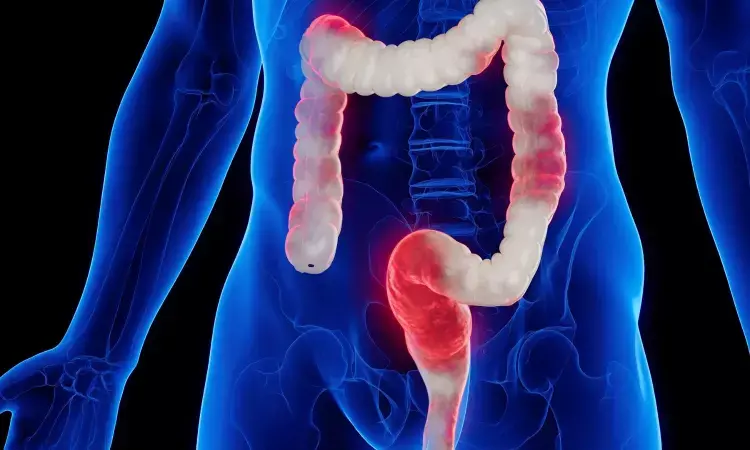


USA: An analysis of the Women's Health Initiative cohort found that low diastolic blood pressure in women was associated with an increased risk of developing ischemic colitis, a condition caused by reduced blood flow to the colon.
After adjusting for various factors, women with diastolic blood pressure below 90 mmHg had a significantly higher risk of ischemic colitis compared with those with higher levels. The study also identified other related risk factors, including the use of multiple antihypertensive medications and gastrointestinal symptoms.
The findings are from a large prospective study published in The American Journal of Gastroenterology by Sylvia Wassertheil-Smoller and colleagues from the Department of Epidemiology and Population Health at the Albert Einstein College of Medicine. The research draws on data from more than 100,000 women enrolled in the Women’s Health Initiative, one of the most extensive health studies focused on postmenopausal women in the United States.
The investigators followed 100,825 women for an average of 13.1 years, collecting detailed information on health history, lifestyle behavior, biomarkers, and dietary patterns across a diverse racial and ethnic population. Using Lasso Cox regression analysis, the team identified a set of variables associated with the incidence of ischemic colitis, which occurs when reduced blood flow leads to inflammation and injury of the colon.
The study led to the following findings:
- Low diastolic blood pressure showed a strong association with increased ischemic colitis risk, with women having readings below 90 mmHg more likely to develop the condition.
- Use of two or more classes of antihypertensive medications was linked to a 62% higher risk of ischemic colitis compared with no antihypertensive use (aHR 1.62).
- Gastrointestinal symptoms contributed significantly to risk, with women in the highest symptom quartile experiencing a 31% increased risk compared with those in the lowest quartile (aHR 1.31).
- Higher dietary fiber intake offered protection, with each 10-gram increase per day associated with a 7% reduction in risk (aHR 0.93).
- Black women had a lower adjusted risk of ischemic colitis compared with White women (aHR 0.73).
- Women with a history of cardiovascular disease had double the incidence rate of ischemic colitis—55.7 cases per 10,000 person-years versus 27.3 per 10,000 person-years in those without such a history.
- The study noted a 30-day all-cause mortality rate of 10.6% after ischemic colitis, with sepsis being a major cause of death.
"Overall, the findings highlight the importance of monitoring blood pressure levels, medication use, and gastrointestinal symptoms in older women. They also highlight the potential role of dietary choices, particularly fiber intake, in lowering the risk of ischemic colitis," the authors concluded.
Reference:
Wassertheil-Smoller, Sylvia PhD1,a; Larson, Joseph C. MS2; Xue, Xionan PhD1; Greywoode, Ruby MD4; Bohm, Michael MD5; Liu, Longjian MD6; Wallace, Robert MD7; Wactawski-Wende, Jean MD8; Haring, Bernhard MD3,*; LaMonte, Michael PhD8,*. Low Diastolic Blood Pressure and Risk of Ischemic Colitis in the Women’s Health Initiative Cohort. The American Journal of Gastroenterology ():10.14309/ajg.0000000000003878, December 09, 2025. | DOI: 10.14309/ajg.0000000000003878

Next Story