Metformin Linked to Lower Esophageal Cancer Risk: JAMA
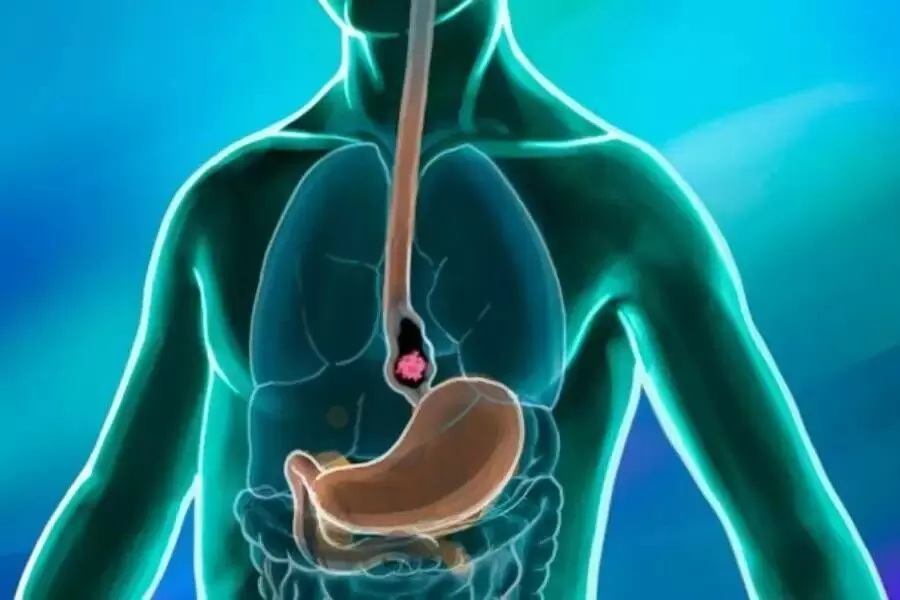


A Nordic case-control study published in JAMA Network Open has found that the use of metformin was associated with a reduced risk of developing esophageal cancer (ESCC). The association with the use of metformin was found to significantly reduce the risk of ESCC, which points towards the preventive effects of the drug among high-risk individuals. This study among a large population showed a reduction in the odd risk for ESCC by 36% among metformin users, and the odd risk reduction was found to be higher with increasing cumulative doses. ESCC is a cancer with a poor prognosis for patients. The study was conducted by Shao-Hua and colleagues.
Esophageal squamous cell carcinoma has been strongly linked to well-established risk factors such as excessive use of tobacco and alcohol. There are no effective strategies for the chemoprevention of esophageal squamous cell carcinoma. Metformin, a commonly used antidiabetic agent, has been shown to possess anticancer properties.
This population-based case-control study was conducted across five Nordic countries—Denmark, Finland, Iceland, Norway, and Sweden—covering a long study period from 1994 to 2023. The study included patients newly diagnosed with ESCC and compared them with matched controls from the general population.
A total of 13,050 ESCC cases were identified and matched with 130,500 control participants in a 1:10 ratio based on age, sex, calendar year, and country. Among cases, 8030 (61.5%) were men and 5020 (38.5%) were women, with a median age at diagnosis of 70 years (interquartile range 62–77 years).
Exposure assessment focused on metformin use versus nonuse. Conditional logistic regression models were applied to estimate odds ratios (ORs) and 95% confidence intervals, adjusting for key confounders including smoking, alcohol use, nonsteroidal anti-inflammatory drugs or aspirin use, and statin use. A dose-response analysis was also conducted among participants with at least 5 years of follow-up, using cumulative defined daily doses.
Key findings:
• Metformin use was found to be significantly associated with a decreased risk of ESCC.
• Compared with nonusers of metformin, users of metformin had a 36% decreased odds of developing ESCC, as indicated by an adjusted odds ratio of 0.64 (95% CI, 0.59-0.69).
• A dose-response relationship was evident in this study.
• Participants in this study who had higher metformin use (>1278 defined daily doses over 5 years) showed a more substantial protective effect in terms of ESCC development, as indicated by an odds ratio of 0.52 (95% CI, 0.44-0.61), which is 48% less likely compared with nonusers of metformin.
Metformin use was significantly associated with reduced odds of esophageal squamous cell carcinoma, and this association was more pronounced for higher cumulative doses of metformin. These results suggest that metformin is worthy of further exploration as a preventive and therapeutic agent for ESCC, particularly in high-risk groups.
Reference:
Xie S, Santoni G, Birgisson H, et al. Metformin Use and Development of Esophageal Squamous Cell Carcinoma. JAMA Netw Open. 2026;9(3):e262027. doi:10.1001/jamanetworkopen.2026.2027