
Parliamentary panel pulls up NMC for missing law ministry vetting, Health ministry told be alert
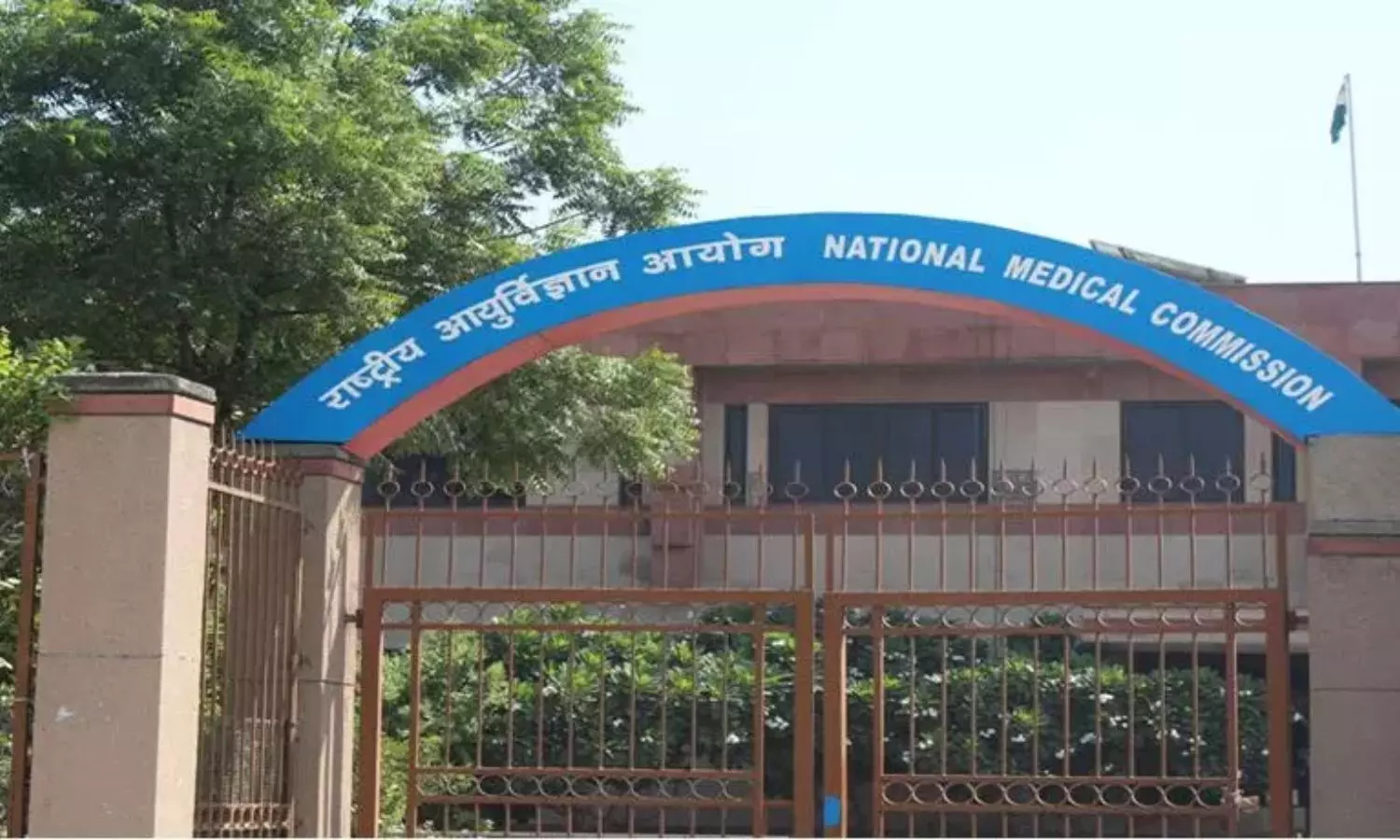
National Medical Commission


New Delhi: A parliamentary panel has flagged serious procedural lapses by the National Medical Commission (NMC), stating it was 'taken aback' to find that key regulations framed by the apex medical regulator were not vetted by the Ministry of Law and Justice.
The panel highlighted that such vetting is a mandatory safeguard to ensure that subordinate legislation is legally sound, constitutionally compliant, and free from drafting infirmities.
The committee, which examined multiple NMC regulations, including those governing recognition of medical qualifications and faculty eligibility, cautioned the Ministry of Health and Family Welfare against such lapses in future. Stressing institutional accountability, it recommended that all draft regulations must be compulsorily vetted by the law ministry before notification to prevent potential legal and administrative complications.
According to a recent PTI report, a parliamentary committee has said it was "taken aback" to find that crucial regulations issued by the National Medical Commission (NMC) were not vetted by the Union law ministry, an essential prerequisite to prevent future infirmities.
In its report on “Infirmities in the regulations framed under the National Medical Commission Act”, the Lok Sabha Committee on Subordinate Legislation said getting draft rules and regulations vetted by the law ministry from the legal, constitutional and drafting point of view is essential.
“The Committee, during an examination of the regulations published by the National Medical Commission (NMC) under the aegis of the Ministry of Health and Family Welfare, found to its surprise that one of the most integral procedures in the framing of any subordinate legislation, that of getting it ‘vetted’ by the Ministry of Law and Justice from the constitutional, legal and drafting point of view was 'missed’,” it said, quotes PTI
The report was tabled in the recently concluded Budget session of Parliament.
The committee report is based on the examination of the National Medical Commission (Recognition of Medical Qualifications) Regulations, 2023; Teachers Eligibility Qualifications in Medical Institutions Regulations, 2022; and the Medical Institutions (Qualifications of Faculty) Regulations, 2025, drafted by the NMC.
The parliamentary panel said it “was taken aback to find such occurrences” where the law ministry was not kept in the loop.
Getting bills, Acts, rules, regulations duly ‘vetted’ by the law ministry is a "non-negotiable step" which ought not be "missed" as had been "candidly accepted" by the representatives of the Ministry of Health and Family Welfare also during the deposition before the committee, the report noted.
Rules, regulations and orders issued under a particular law are called subordinate legislation.
They are also called delegated legislation, as Parliament allows the executive to frame rules for the efficient functioning and implementation of laws passed by it.
“The nature of such delegated legislation, which is published in the Gazette of India, needs to be taken seriously. These delegated legislations, once in the public domain, form the fulcrum for subsequent executive actions by the nodal agency and, as such, merit utmost caution and due diligence to weed out any iota of mistake which could have serious legal ramifications on account of loopholes/vulnerability in the document,” the panel cautioned.
Keeping such instances in view, the committee recommended to the health ministry “to be alert” and ensure that such errors do not creep up in future, adds PTI
It also said that all the drafted subordinate legislations should be duly vetted by the law ministry before they are published in the Gazette of India.
