
Apixaban linked to fewer blood clot complications in older adults than other blood thinners: Study
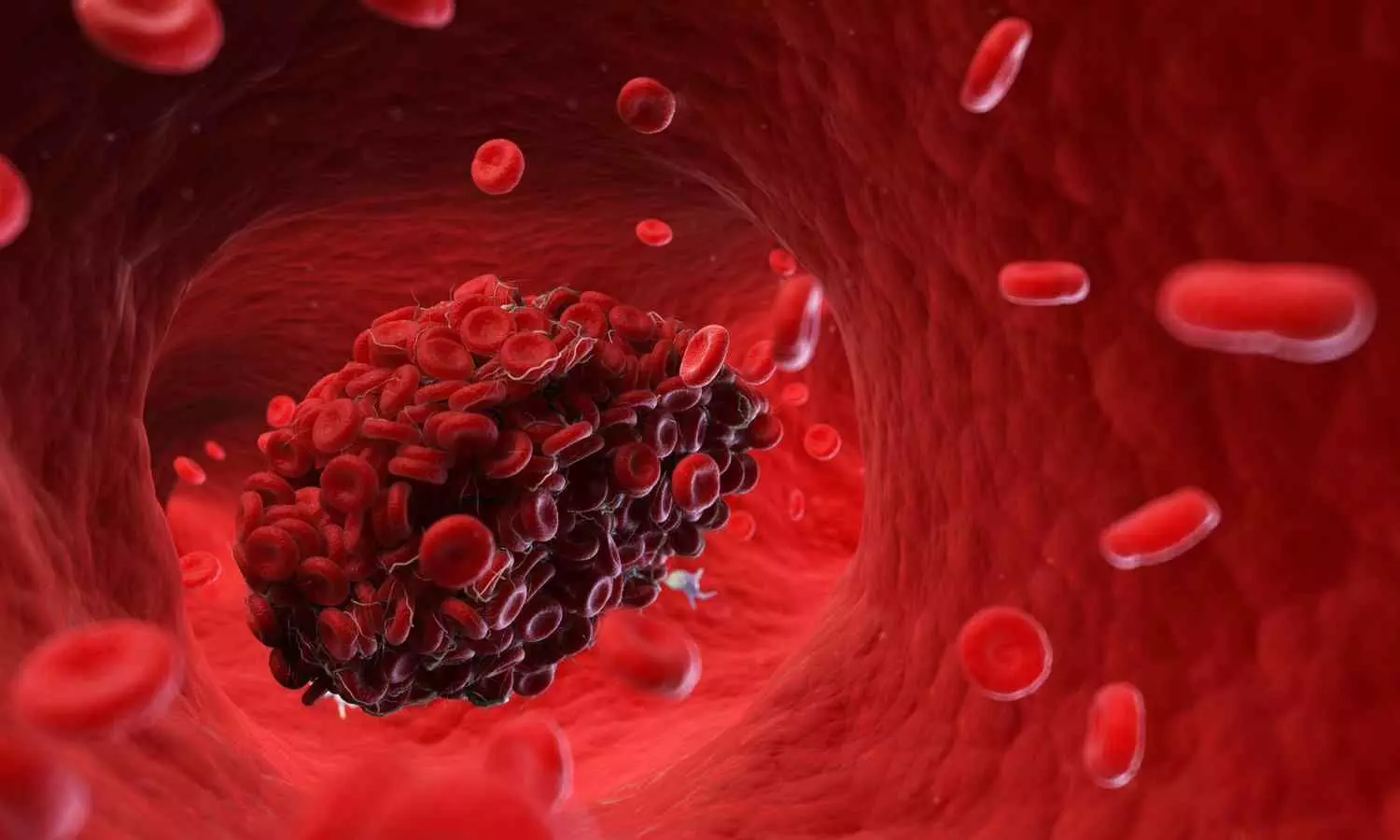


Older adults recovering from serious blood clots often face long periods of hospitalization or rehabilitation due to a higher rate of recurrence. But a new study suggests that the choice of blood thinner may influence how well patients recover and how much time they can spend at home when treated for venous thromboembolism. Venous thromboembolism includes deep vein thrombosis, a clot typically forming in the legs, and pulmonary embolism, a clot that travels to the lungs.
Venous thromboembolism is a major health concern among older adults. It is more common in older adulthood and is associated with serious complications and increased mortality. Because the risk of recurrent clots remains high after an initial event, many patients require long-term anticoagulant therapy to prevent recurrence.
The study, “Comparative Effectiveness of Oral Anticoagulants and Home Time After Venous Thromboembolism in Frail and Non-Frail Older Adults,” was published in the American Journal of Hematology. Researchers analyzed Medicare claims data from 2015 to 2019 for patients treated with one of three commonly prescribed oral anticoagulants — apixaban, rivaroxaban, or warfarin — after an acute blood clot.
Researchers, led by a team from the Hinda and Arthur Marcus Institute for Aging Research at Hebrew SeniorLife, studied more than 18,000 Medicare beneficiaries and found that patients treated with the anticoagulant apixaban (Eliquis) for dangerous blood clots experienced fewer major complications and spent more days at home rather than in hospitals or nursing facilities compared with those treated with warfarin (Coumadin or Jantoven). The findings were observed in both frail and non-frail older adults, with the clearest benefits seen among non-frail patients.
Compared with warfarin, apixaban was associated with a lower combined risk of recurrent blood clots or death within one year, as well as lower rates of major bleeding. Patients taking apixaban also experienced fewer days of “home time loss,” a measure that captures time spent in hospitals, emergency departments, skilled nursing facilities, or lost time due to death within 365 days if continuously enrolled in Medicare. In contrast, rivaroxaban showed no clear advantage over warfarin for preventing complications and was associated with a greater loss of time at home than apixaban.
Importantly, the study examined outcomes separately for frail and non-frail older adults, a population often underrepresented in clinical trials. Frailty — a condition marked by reduced physical resilience and increased vulnerability to illness — can influence both how medications are processed by the body and the risk of bleeding or other complications. By combining measures of frailty with both clinical outcomes and patient-centered measures such as home time, the researchers aimed to provide real-world evidence to help guide treatment decisions for older adults with blood clots.
“Older adults with blood clots often face complex treatment decisions, particularly when frailty is involved,” said Chanmi Park, MD, MPH, the study’s lead author and an assistant scientist II at the Marcus Institute. “Our findings suggest that apixaban may offer a favorable balance of effectiveness, safety, and the ability for patients to remain at home, which is an outcome that matters greatly to older adults and their families.”
The researchers say their findings add important evidence to help clinicians and patients choose among available anticoagulant therapies, particularly for older adults whose treatment goals may include maintaining independence and minimizing time spent in hospitals or care facilities.
Reference:
C. M.Park, S.Shi, X.Chen, A. L.Parks, and D. H.Kim, “Comparative Effectiveness of Oral Anticoagulants and Home Time After Venous Thromboembolism in Frail and Non-Frail Older Adults,” American Journal of Hematology (2026): 1–12, https://doi.org/10.1002/ajh.70302.
