
Can Integrative Medicine Transform Healthcare in India? Expert Shares Insights
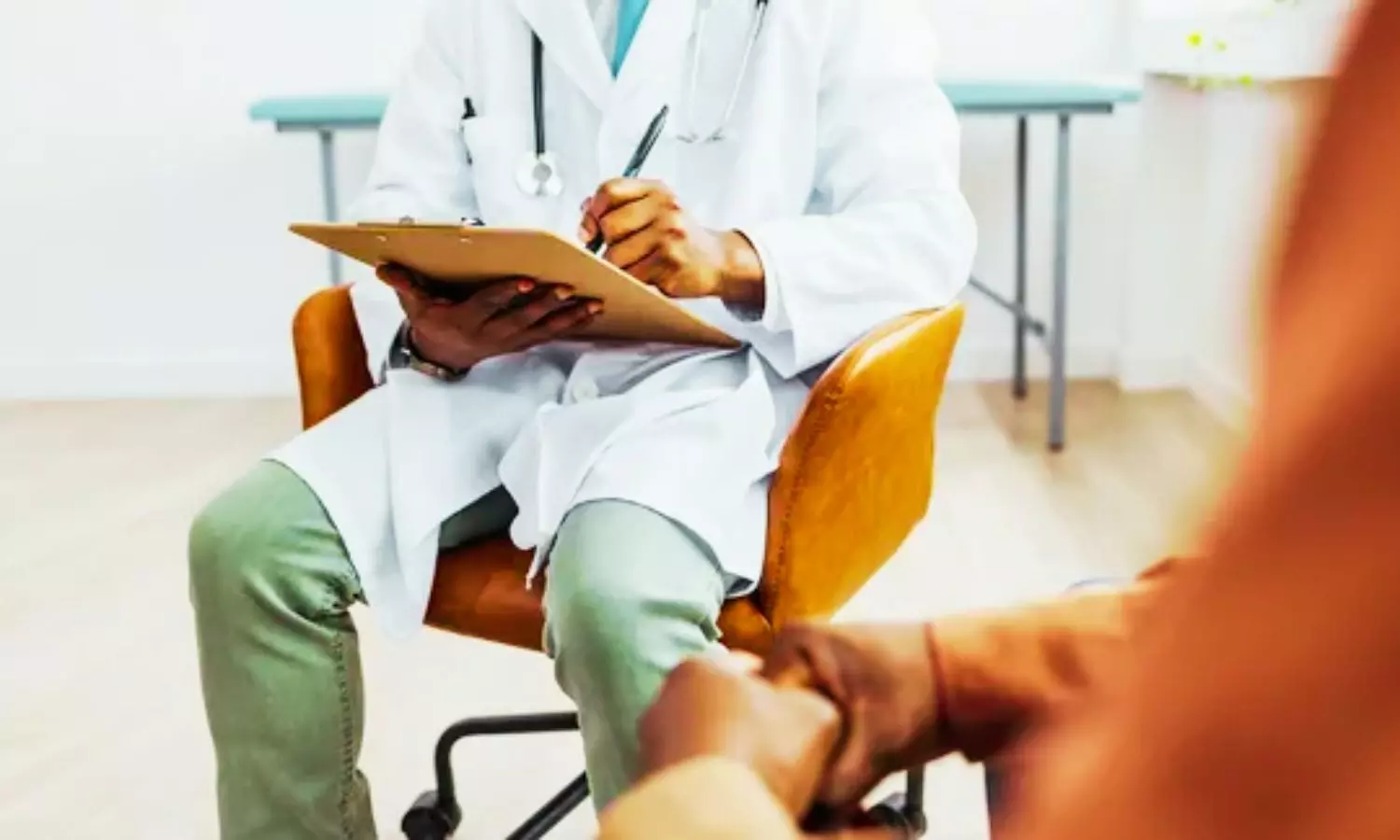


India: A recent editorial published in Apollo Medicine by Professor Dhavendra Kumar, William Harvey Research Institute, Queen Mary University of London, UK, and Apollo Genomics Institute, Apollo Group of Hospitals, India, highlights the urgent need to bridge the long-standing divide between modern medicine and traditional (complementary) healthcare systems, advocating for a more coordinated, patient-centred model of integrative healthcare.
Drawing from both scientific evidence and real-world clinical experience, Prof. Kumar emphasised in his interaction with Medical Dialogues that the idea of integration gained renewed urgency during the COVID-19 pandemic. “No country was prepared for COVID-19. One of the key reasons was that different aspects of healthcare were working in isolation,” he said. He added that gaps between disciplines may have contributed to delays in coordinated responses, highlighting the importance of collaboration across medical systems that contribute to avoidable mortality and preventable continued morbidity.
At its core, the concept of integrative medicine is not about replacing one system with another (alternative medicine) but about combining strengths. As Prof. Kumar explained, “If every practitioner and healthcare provider works in coordination, the outcome for patients, families, and the wider community will be far better.” He further noted that such an approach would not only improve clinical outcomes but also enhance cost-effectiveness and overall productivity. He pointed out that the WHO, in its 2023 white paper, advocated integration of modern medicine with traditional complementary health systems.
The editorial outlines how traditional systems such as Ayurveda, Unani medicine, and Chinese medicine evolved over centuries with strong philosophical foundations in diagnosis, treatment, and prevention. However, unlike modern medicine—which has advanced through evidence-based scientific research and clinical trials—many traditional practices have remained static, relying heavily on historical frameworks and anecdotal evidence. Alarmingly, this gap is rapidly widening despite enormous evidence around on safety, effectiveness, and efficiency.
Reflecting on this gap, Prof. Kumar remarked, “Many traditional practitioners are still working in isolation and are often fixed in their ideas. Science is dynamic, but these systems have not evolved at the same pace.” He pointed out that while modern medicine recognises disease heterogeneity—such as multiple subtypes of cancer or diabetes—traditional approaches often treat them as single entities, limiting precision in diagnosis, care, and prevention. In this context, younger patients with rare diseases suffer a lot due to delayed personalised diagnosis and treatment.
At the same time, however, he acknowledged the value embedded in traditional knowledge. “The basic concepts of Ayurveda are sound and were very advanced for their time, going back almost 1500 BCE. He commented, referencing ancient scholars like Sushruta, “But the problem is that these concepts have not been developed further in line with modern scientific advancements.”
A key concern raised in both the editorial and the discussion is the confusion faced by patients and families navigating multiple healthcare systems. “People often move from one system to another, sometimes stopping essential medical treatment altogether,” Prof. Kumar observed. “The idea is not to replace modern medicine but to complement it with practices like yoga, personalised diet/ nutrition, and stress management.”
He illustrated this with practical examples. In stroke recovery, while acute medical management is essential, long-term rehabilitation benefits significantly from supportive therapies. “That phase does not require more medicines—it requires physical and psychological support. Practices like yoga can play a major role in restoring confidence and function,” he explained. Similarly, post-cardiac event recovery can be enhanced through lifestyle interventions alongside conventional preventive medical management.
The global acceptance of Yoga serves as a successful model of integration. “Yoga has been accepted worldwide as a complementary approach to healthcare,” Prof. Kumar noted. He also shared his personal experience with Tai Chi following a cardiac event, reinforcing the role of such practices in recovery and wellbeing.
Despite policy-level efforts in India, including the establishment of the Ministry of AYUSH and recent initiatives by the National Medical Commission to introduce integrative medicine training, challenges remain. “There is still hesitation, especially among traditional Ayurveda practitioners, who may fear that integration with modern medicine might dampen their identity and compromise professional independence,” he said.
Prof. Kumar stressed that integration requires a shift in mindset as much as in policy. “Healthcare should function like a well-coordinated building project, where each expert contributes their skills in sequence and in harmony,” he explained. “The ultimate beneficiary should be the patient, family, and eventually the community.”
The editorial also highlights the importance of evidence-based validation, ethical considerations, and modern training frameworks in making integrative healthcare viable. From leveraging artificial intelligence to rethinking medical education, the future of healthcare lies in collaboration rather than competition.
Concluding his remarks, Prof. Kumar called for constructive dialogue among all stakeholders. “We should not waste time working in silos. By combining our expertise, we can deliver better, more holistic care,” he said, adding that the time has come to move beyond parallel systems and work towards a unified, integrated healthcare model.
Reference:
Kumar, D. Integrative Medicine and Healthcare: Opportunities and Challenges. Apollo Medicine. https://doi.org/10.1177/09760016261420606
