
High-Dose IV Vitamin C Fails to Improve Severe Burn Outcomes: JAMA
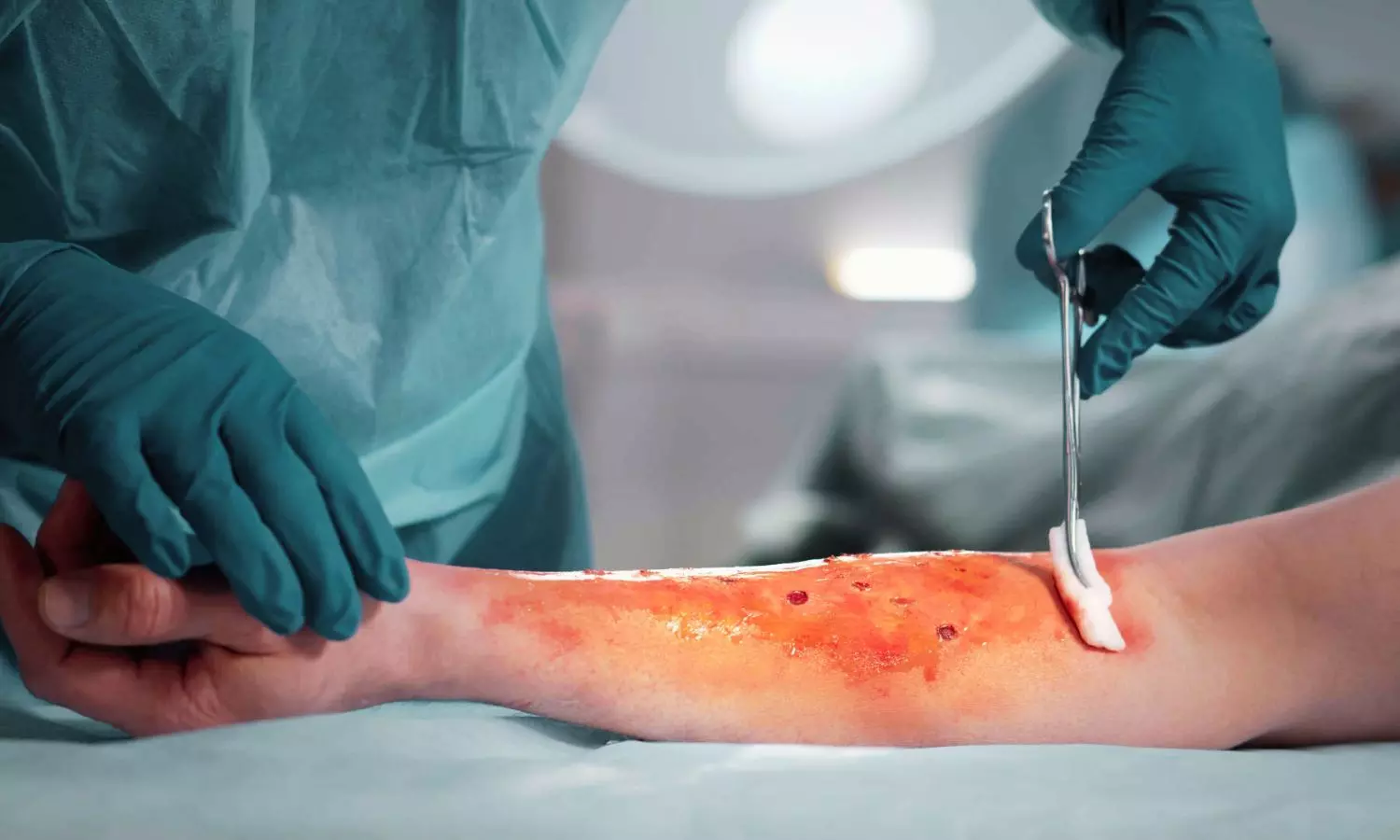


Germany: Researchers have found in a new study that among patients with severe burn injuries, high-dose intravenous vitamin C did not reduce 28-day mortality or persistent organ dysfunction. The findings, published in JAMA, also suggest potential harm, raising concerns about the routine use of high-dose IV vitamin C in severe burn care.
Severe burn injuries can trigger an intense systemic inflammatory response, potentially leading to prolonged organ dysfunction and death. High-dose intravenous vitamin C has been proposed as a strategy to limit these complications during burn resuscitation. However, evidence supporting its effectiveness in critically ill burn patients has remained limited. Christian Stoppe, Department of Anaesthesiology, Intensive Care, Emergency and Pain Medicine, University Hospital Würzburg, Germany, and colleagues evaluated whether high-dose IV vitamin C could improve outcomes in patients with severe burns.
The VICTORY randomized clinical trial was conducted across 24 burn centers in North, Central and South America, Europe and Asia. The phase 3, double-blind, placebo-controlled trial enrolled adults aged 18 years or older with deep second- or third-degree burns involving at least 20% of total body surface area and requiring skin grafting. Participants were recruited between August 2020 and September 2025 and randomly assigned to receive either vitamin C at 50 mg/kg every 6 hours for 96 hours or matching placebo.
The primary outcome was a composite of death within 28 days or persistent organ dysfunction, defined by continued need for mechanical ventilation, kidney replacement therapy or vasopressor/inotrope support at day 28. The trial was stopped early following the first prespecified interim analysis after the results crossed the predefined futility/harm threshold.
The findings showed:
- The primary outcome occurred in 40.8% of patients receiving vitamin C compared with 29.7% receiving placebo.
- The adjusted risk ratio for the composite outcome was 1.28.
- Twenty-eight-day mortality was significantly higher with vitamin C than placebo (15.0% versus 7.6%; adjusted RR, 1.96).
- Hospital mortality was also higher in the vitamin C group (23.3% versus 16.1%; adjusted RR, 1.44).
- Vitamin C did not shorten the time to discharge alive within 90 days.
The study has several limitations. Early termination may have reduced the precision of the findings and could potentially overestimate treatment-related harm. The smaller-than-planned sample size also limited statistical power, while the trial was not designed to detect rare adverse events such as oxalate nephropathy. Low enrollment at some centers may have further affected the precision of the results.
The authors concluded that high-dose intravenous vitamin C administered during the first 96 hours of burn resuscitation did not improve mortality or persistent organ dysfunction in patients with severe burns and may be harmful. These findings question the routine use of this intervention in severe burn injury and highlight the need for careful evaluation of its safety and clinical role.
Reference:
Stoppe C, Hill A, Cancio LC, et al. High-Dose Intravenous Vitamin C and Mortality and Organ Dysfunction in Severe Burn Injury: The VICTORY Randomized Clinical Trial. JAMA. 2026;336(11):929–938. doi:10.1001/jama.2026.10616

Next Story