Higher TyG index positively associated with increased Lumbar Bone Mineral Density: Study
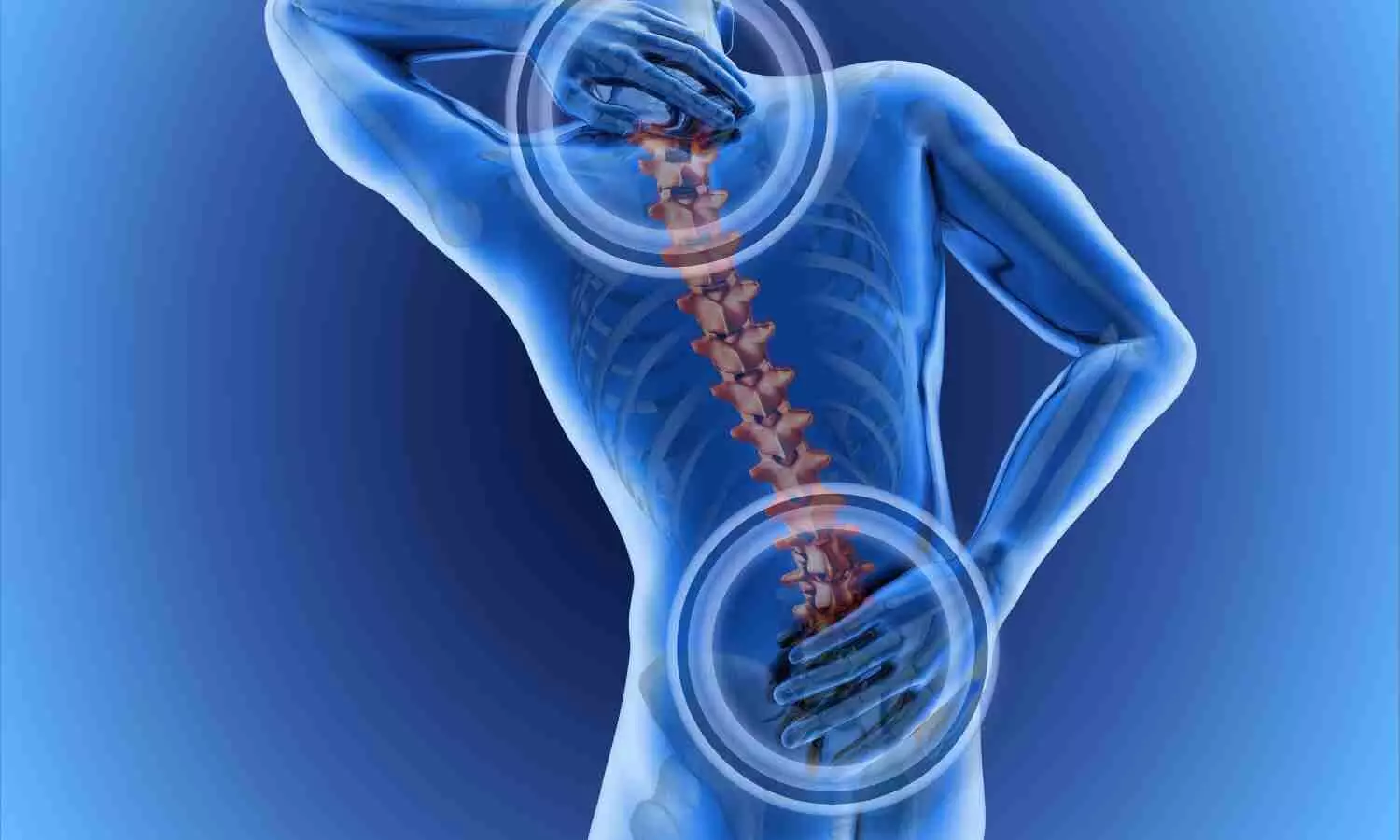


Recent data suggests a significant positive relationship between the Triglyceride-Glucose (TyG) index-a marker of insulin resistance-and (LBMD) among elderly postmenopausal women. Multiple linear regression analysis confirmed that a higher TyG index is positively associated with increased LBMD in this specific population.
The relationship between insulin resistance (IR) and bone density is quite complex. The triglyceride glucose (TyG) index, which combines the assessment of glycolipid metabolism, can serve as a noninvasive alternative method for evaluating IR and is easy to promote. Currently, there is relatively little research on the correlation between the TyG index and bone density in postmenopausal women.
This study explored the relationship between the TyG index and lumbar spine bone mineral density (LBMD) in elderly postmenopausal women in the United States through the National Health, and Nutrition Examination Survey (NHANES) database data. Using the NHANES database data from 2005 to 2018, the population was divided into 4 groups based on TyG data (<5.447, 5.447–5.879, 5.879–6.325, >6.325), and the differences among the groups were analyzed. Multiple linear regression analysis was used to examine the relationship between the TyG index and LBMD, and the beta (β) values and corresponding confidence intervals were calculated. Three models were constructed by adjusting for different variables.
Additionally, curve fitting analysis was used to explore the nonlinear relationship between the 2 variables. Subgroup analysis was conducted to study the relationship between the 2 variables in different populations. The study included a total of 1880 postmenopausal women participants aged 50 years or older. The highest quartile of the TyG index had a greater proportion of Mexican Americans, lower levels of education, lower family income-poverty ratios, higher body mass indices, higher total cholesterol levels, and lower levels of 25-hydroxy vitamin D.
The relationships between the TyG index and LBMD were significant in 3 models and were positively correlated. In sensitivity analysis, the Q4 group has an LBMD 0.0235 g/cm2 higher than the Q1 group. According to the subgroup analysis, this positive correlation continued to exist in the non-Hispanic Black population and also in the population with a high school education or below. The TyG index is positively correlated with LBMD in the population of elderly postmenopausal women, as shown by multiple linear regression, and a positive correlation also exists between the 2 as indicated by smoothing curve fitting. Further causal analysis requires investigation through cohort studies is needed.
Reference:
Zheng, Chaoshun MMa; Li, Jiabin MMb; Zhang, Longsheng MMc; He, Xuhui MMa,*. Positive association between the triglyceride-glucose index and lumbar bone mineral density in US postmenopausal women: A cross-sectional study from NHANES 2005 to 2018. Medicine 104(52):p e46730, December 26, 2025. | DOI: 10.1097/MD.0000000000046730