Pegcetacoplan Lowers Proteinuria in Complement-Mediated Glomerular Diseases: NEJM
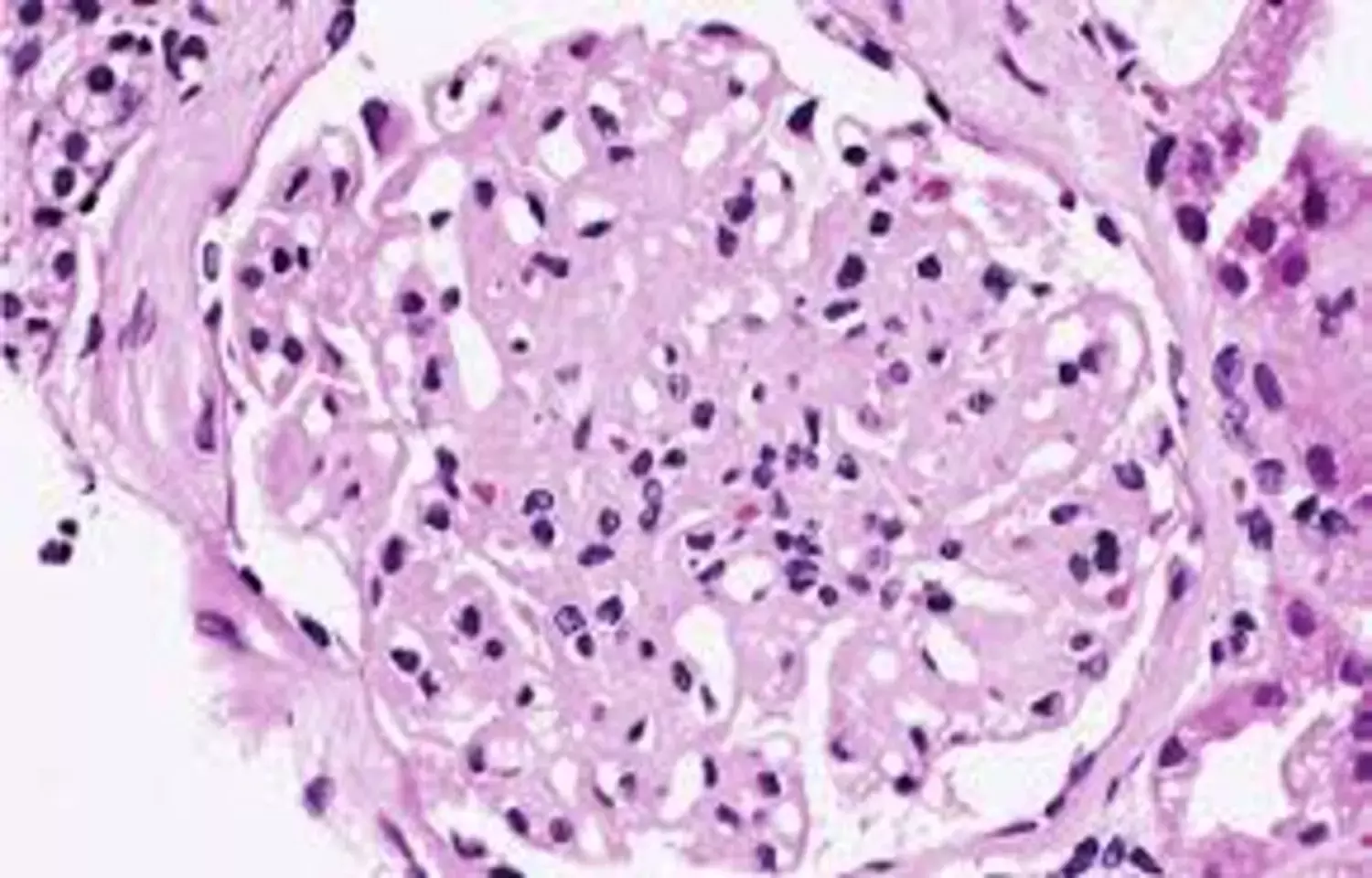


In a phase three, double blind, placebo controlled trial, pegcetacoplan significantly reduced proteinuria compared with placebo in patients with recurrent C3 glomerulopathy or primary immune complex membranoproliferative glomerulonephritis, highlighting its therapeutic potential in rare complement mediated kidney diseases.
C3 glomerulopathy and primary immune complex membranoproliferative glomerulonephritis generally result in glomerular C3 deposition and progressive, irreversible kidney damage. The efficacy and safety of pegcetacoplan, a complement C3 and C3b inhibitor, have remained uncertain in these conditions. Investigators conducted a phase three, double blind, placebo controlled trial involving adolescents and adults with C3 glomerulopathy or primary immune complex membranoproliferative glomerulonephritis, including patients with native kidney disease as well as those with disease recurrence after kidney transplantation. Participants were randomly assigned to receive pegcetacoplan or placebo. The primary outcome assessed changes in urinary protein excretion over time.
Results showed that patients treated with pegcetacoplan experienced a substantially greater reduction in proteinuria compared with those receiving placebo. A higher proportion of patients in the pegcetacoplan group met composite renal outcome criteria, including stabilization of estimated glomerular filtration rate and meaningful reductions in urinary protein levels. Improvements in proteinuria were also more frequent in the pegcetacoplan group. Among patients with evaluable kidney biopsy samples, changes in histologic activity scores did not differ meaningfully between treatment groups. Pegcetacoplan was generally well tolerated and was not associated with a higher rate of adverse events compared with placebo. No serious infections due to encapsulated bacteria were observed, and no cases of kidney transplant rejection or graft loss occurred.
Pegcetacoplan resulted in a significantly greater reduction in proteinuria than placebo in patients with C3 glomerulopathy or primary immune complex membranoproliferative glomerulonephritis, supporting its role as a targeted therapy for complement mediated kidney disease.
Reference:
Ladan Zand,Fernando C. Fervenza,Pegcetacoplan for Treatment of C3 Glomerulopathy and Immune-Complex MPGN, New England Journal of Medicine, 393, 22, (2266-2267), (2025). /doi/full/10.1056/NEJMe2515157