Prednisolone Fails to Reduce Coronary Lesions in Kawasaki Disease: NEJM
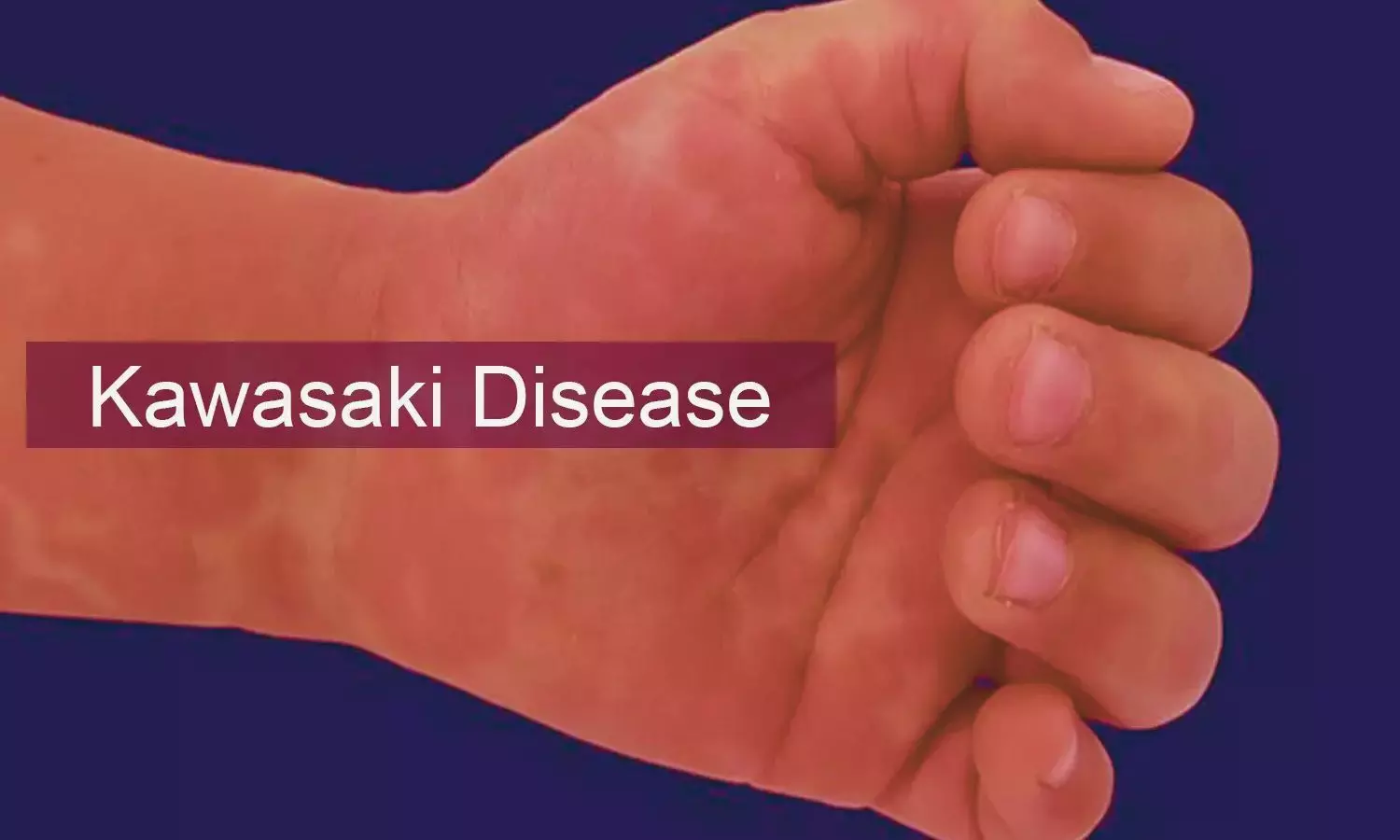


A multicenter study has found that the addition of prednisolone to the conventional primary therapy for Kawasaki disease had no effect on lowering the number of cases of coronary-artery lesions at one month from the onset of the disease. Kawasaki disease is a severe disease affecting children wherein there is systemic inflammation of the blood vessels, which may result in fatal coronary artery aneurysms when the disease is inadequately treated. In the management of Kawasaki disease, IVIG and aspirin form the basic treatments while the use of glucocorticoids, such as prednisolone, is a topic of debate in clinical practice. The study was published in The New England Journal of Medicine by Siyuan Lin and colleagues.
This study was performed as an open-label, randomized, controlled clinical trial in multiple centers in China. In total, 3,208 patients with a recently confirmed diagnosis of Kawasaki disease were recruited into the study. They were then randomly allocated in equal proportions to either the experimental group (which was administered prednisolone along with the standard treatment regimen) or the control group (which only received the standard treatment). At baseline, it was found that 870 out of 3,184 patients (27.3%) had coronary-artery lesions.
The main end point measured by the researchers was the occurrence of coronary-artery lesions one month following the onset of the disease. To evaluate the overall effect of the intervention, multiple predefined secondary end points were measured as well. These included the need for rescue treatment, duration of fever, serum CRP level, and coronary-artery z scores (the ratio of the internal diameter of the coronary artery to the square root of the patient's body surface area).
Key findings:
- Primary Outcome at One Month: Lesions of the coronary arteries were observed in 16.0% of those receiving prednisolone and 13.8% receiving standard treatment (risk difference: 1.1 percentage point; 95% confidence interval: −1.0 to 3.4; P=0.31).
- Secondary Outcome at Three Months: The rate of lesion occurrence was similar at 12.6% for prednisolone and 10.5% for the standard treatment.
- Lesion Progression: Participants who showed progression of lesions was almost the same with 28.6% and 28.9% respectively.
- Severe Complications: The rate of occurrence of medium/giant coronary artery aneurysm was 1.9% in those under prednisolone treatment and 1.1% in those receiving the standard treatment.
- Baseline Data: At baseline, coronary disease was prevalent among 27.3% of 3,184 participants eligible for evaluation.
The findings of this large-scale randomized trial clearly indicate that there are certain drawbacks associated with the use of steroids in the primary management of Kawasaki disease. However, the use of prednisolone in the treatment regimen for Kawasaki disease did not lower the risk of developing coronary-artery lesions within one month from the time of the disease onset. Although the drug helped decrease the period of fever and also decreased the requirement for secondary treatments, it was not able to stop or cure the coronary artery anomalies.
Reference: