
Tirzepatide may change how the body uses energy, suggests research
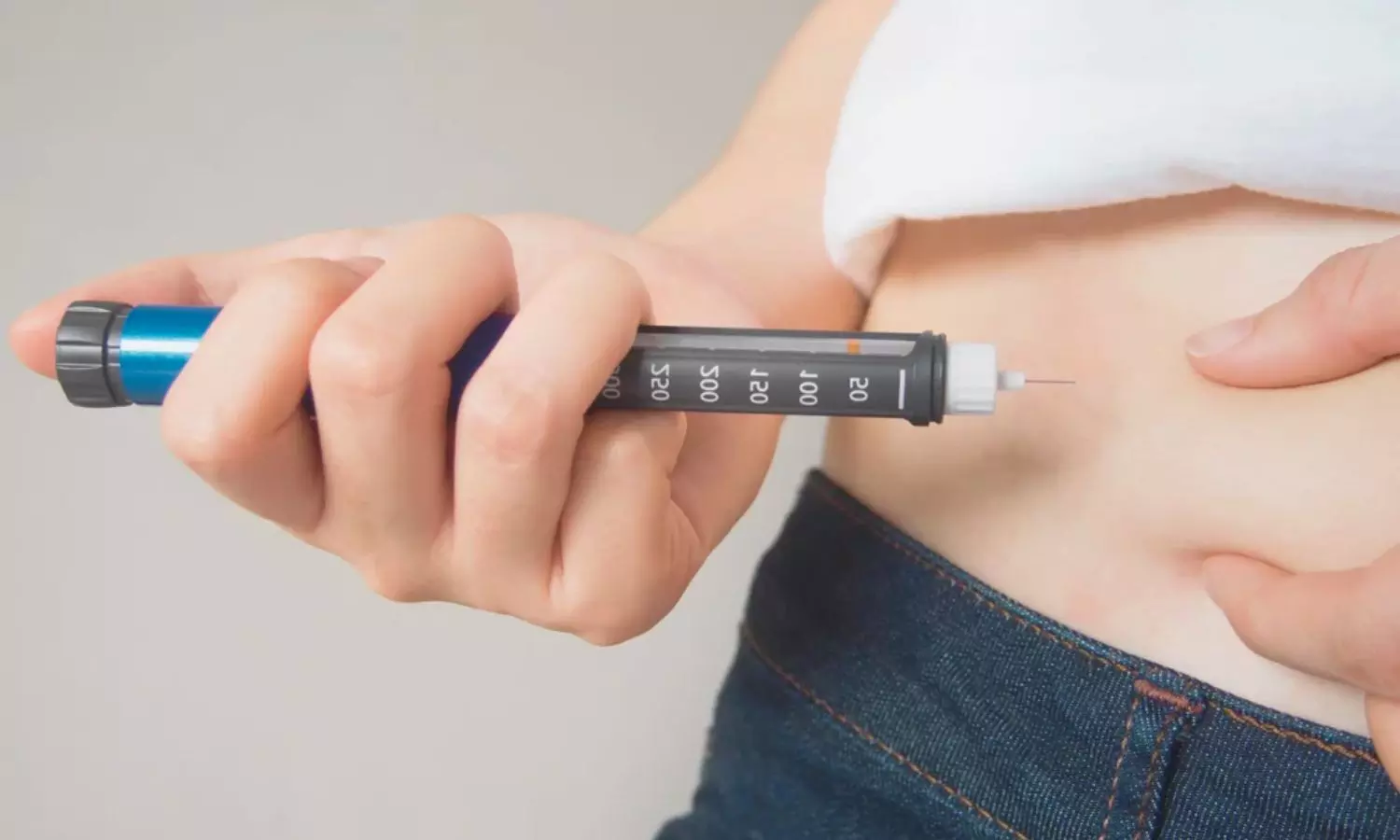


Tirzepatide doesn’t just help people lose weight; it also activates brown adipose tissue, representing a major milestone in obesity research, according to a study being presented Monday at ENDO 2026, the Endocrine Society’s annual meeting in Chicago, Ill.
Until now, tirzepatide’s weight-loss effect has been attributed primarily to reduced appetite, leading to smaller portions.
“In the TABFAT trial, we asked a different question: beyond eating less, does tirzepatide also change how the body burns energy-specifically through brown adipose tissue, a metabolically active type of fat that produces heat and consumes calories?” said Rok Herman, M.D., from the Department of Endocrinology, Diabetes and Metabolic Diseases at University Medical Centre Ljubljana in Ljubljana, Slovenia.
Brown adipose tissue was long thought to disappear after infancy and was only confirmed in adult humans through imaging studies in the late 2000s. It is markedly suppressed in obesity, and until now, moderate cold exposure has been its strongest known activator.
In a randomized, placebo-controlled clinical trial in premenopausal women with obesity, Herman and colleagues used cold-stimulated PET/CT imaging and MRI scans to measure brown adipose tissue activity before and after 24 weeks of treatment.
“We found that tirzepatide significantly increased brown adipose tissue activity and volume, and it also showed potential signs of converting white subcutaneous fat into more metabolically active ‘beige’ fat,” Herman said.
Tirzepatide increased PET/CT-detectable brown adipose tissue activity from 41.2% to 64.7% of participants, while no comparable change was seen in the placebo group. “We were also encouraged by the consistency of the signal across other imaging modalities employed in the study that may capture different component of brown fat biology,” Herman added.
“This adds a new layer to how we understand the new generation of anti-obesity medications,” Herman said. “They are not only appetite suppressants— tirzepatide also appears to modulate energy expenditure at the tissue level, opening a plausible path toward future therapies that combine appetite regulation with thermogenic activation.”
Herman suggests that future research measure, study, and potentially enhance the use of brown and beige fat activity as a specific target for a tailored approach to obesity care.
Reference:
Tirzepatide may change how the body uses energy, The Endocrine Society, Meeting: ENDO 2026.
