
Women Show Greater Weight Loss Than Men With GLP-1 Receptor Agonists: Meta-Analysis
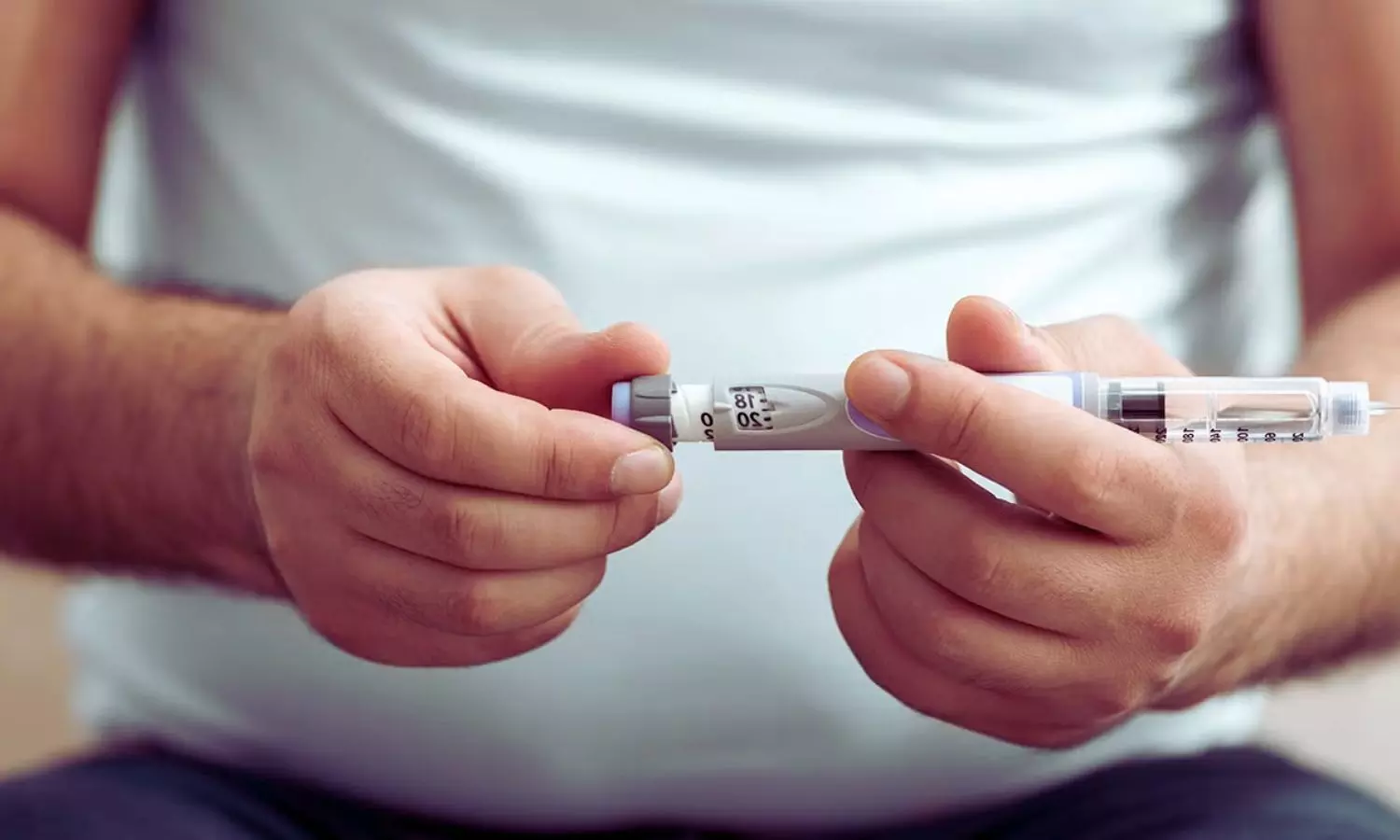


A new study published in the Journal of American Medical Association showed that women lost more weight with glucagon-like peptide-1 receptor agonists (GLP-1 RAs) than men did, but their effectiveness was the same in other significant subpopulations.
GLP-1 RAs have been licensed to treat long-term disease like obesity, diabetes, and cardiovascular disease. It is unknown, therefore, if the effectiveness of GLP-1 RAs differs according to age, sex, race and ethnicity, baseline body mass index (BMI), and baseline hemoglobin A1c (HbA1c). The heterogeneity of treatment effects (HTE) of GLP-1 RAs, such as semaglutide, exenatide, liraglutide, lixisenatide, and dulaglutide, was measured by patient characteristics in this study.
Embase, MEDLINE, and the Cochrane Central Register of Controlled Trials were searched from inception to July 26, 2024. Investigators selected titles and abstracts separately before reviewing suitable full-text papers reporting on randomized clinical trials (RCTs) which compared GLP-1 RAs to placebos or other drugs.
The data were analyzed to determine the study design, treatments, and comparators, as well as patient baseline weight and weight change over time (overall and by age, gender, race and ethnicity, BMI, and HbA1c level). RCTs were meta-analyzed for each subgroup where quantitative synthesis was available, and other relevant studies were included in the analysis through narratives.
The meta-analysis contained 41 publications representing 64 RCTs out of 7705 unique entries. Of them, 48 RCTs had a mean (SD) study population of 1181 (2513) people; 51 were parallel (98.1%); 51 were multicenter (98.1%); 21 assessed semaglutide (43.8%); and 9 assessed dulaglutide (18.8%).
Baseline BMI (36 RCTs [75.0%]), HbA1c (24 [50.0%]), and age (21 [43.8%]) were used most frequently to assess HTE; ethnicity (12 [25.0%]), race (11 [22.9%]), and sex (10 [20.8%]) were used less frequently. Weight reduction was higher in women (10.9%; 95% CI, 7.0%-14.8%) than in males (6.8%; 95% CI, 4.6%-9.0%) among six studies (19,906 participants) that were examined by sex.
Age (7 trials, 4314 patients), race (9 trials, 25 229 individuals), ethnicity (7 trials, 8328 patients), baseline BMI (15 trials, 9473 patients over 3 analyses), or baseline HbA1c (4 trials, 1886 patients) did not show any significant HTE. Overall, the effectiveness of GLP-1 RAs was higher in women than in men, but it was not affected by baseline BMI, baseline HbA1c, age, race, or ethnicity.
Source:
Alexander, G. C., Xiao, X., Dilek, S., Lewis, S., Deng, Q., Kim, M., Bolanle, D., Saldanha, I. J., & Mehta, H. B. (2026). Heterogeneity of treatment effects of Glucagon-like peptide-1 receptor agonists for weight loss in adults: A systematic review and meta-analysis. JAMA Internal Medicine. https://doi.org/10.1001/jamainternmed.2025.8222

