
Advanced HLA Matching and Prevention Strategies Enhance Long-Term Kidney Transplant Success, Suggests Review
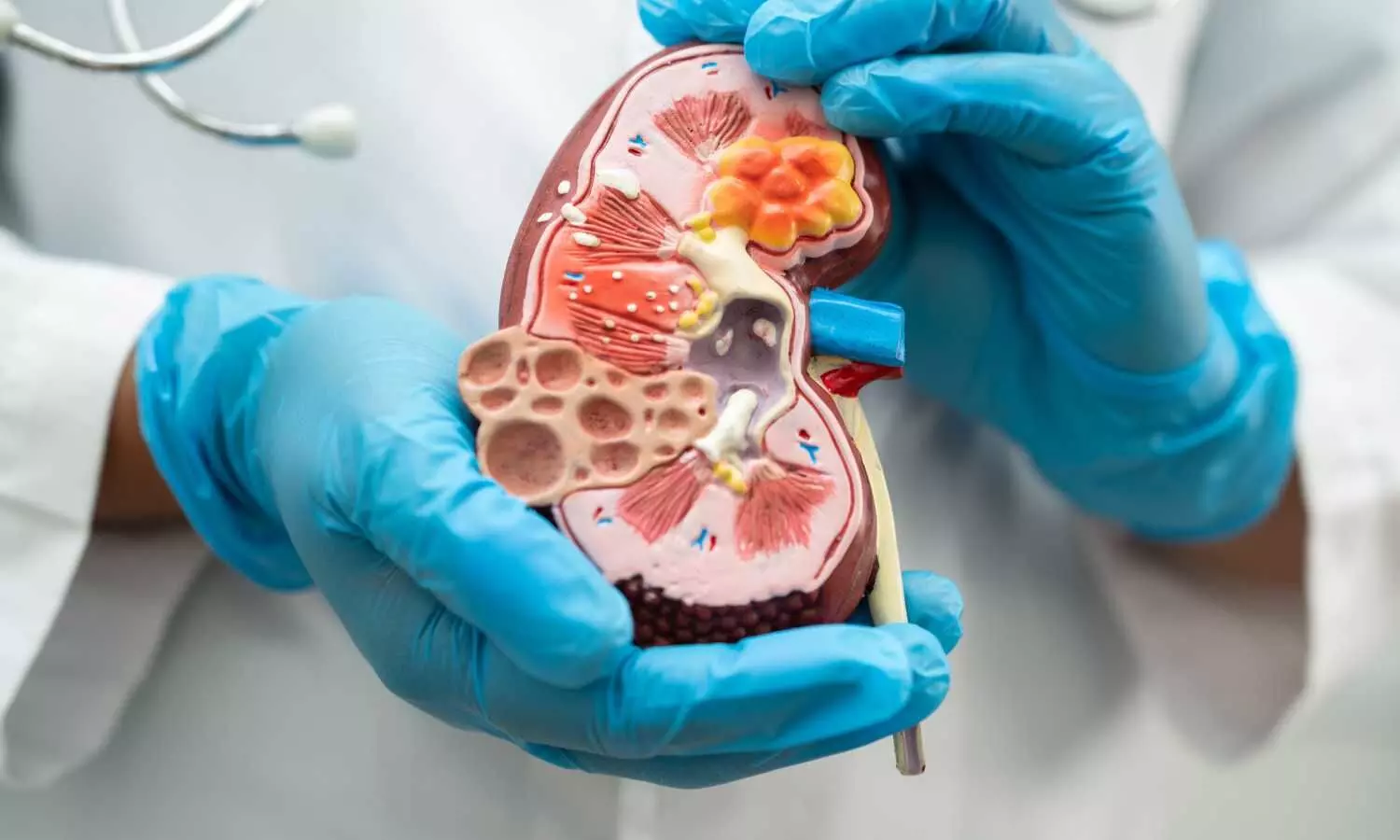
Kidney Transplant


A recent study published in the Indian Journal of Nephrology in June 2026 reveals that advanced molecular matching and innovative prevention strategies are the ultimate keys to conquering the severe immune responses that threaten kidney transplants. By actively tackling these dangerous HLA mismatches, clinicians can dramatically boost donor compatibility and secure long-term graft success for up to 75% of previously pregnant candidates and 40% of transfused patients.
While previous research has established that preformed and de novo donor-specific antibodies (DSAs) trigger acute and chronic graft rejection, the clinical gap in effectively preventing these alloimmune responses prompted researchers Abhilasha Soni, Rajesh Jhorawat, and Manish Chaturvedy from the Department of Nephrology at AIIMS Jodhpur to aim their comprehensive study at evaluating the causes of sensitization alongside advancing preventative clinical strategies.
Therefore, the comprehensive clinical review evaluated the primary causes of alloimmunization—such as pregnancy, blood transfusions, and prior transplants—and compared traditional versus modern antibody detection methods. Ultimately, the researchers aimed to identify the most effective preventive interventions and risk-assessment protocols to improve long-term kidney graft survival.
Key Clinical Findings of the Study Review:
• Pregnancy-Induced Sensitization: Researchers noted that anti-HLA antibodies are detectable in 50%-70% of pregnant women using highly sensitive single-antigen bead assays, significantly affecting future graft compatibility, compared with the 30% detection rate of traditional cell-based methods.
• Blood Transfusion Risks: Investigators highlighted that post-transplant blood transfusions significantly increase the risk of allograft failure with an odds ratio of 2.11 and elevate the odds of DSA detection by 1.73 times compared to non-transfused patients.
• Advanced Detection Evolution: Scientists emphasized that while traditional complement-dependent cytotoxicity crossmatch (CDC-XM) struggles with overall sensitivity, modern Luminex single-antigen bead testing serves as the new standard by measuring precise antibody strengths semi-quantitatively.
• Managing Graft Failure: Authors found that performing an early graft nephrectomy within 6 to 12 months post-transplant reduces HLA sensitization, whereas late removal might actually increase detectable antibodies by serving as a reservoir for de novo DSAs.
• Preventative Protocols: Clinicians outlined that applying selective pre-storage leukofiltration to achieve a 3 to 4 log reduction in white blood cells can drastically lower alloantibody formation, especially in moderate to high-resource clinical settings.
The results suggest that mitigating early exposure to sensitizing events through stringent patient blood management, such as maintaining a transfusion prevalence below the median 40%, can substantially reduce long-term alloimmunization risks. Furthermore, tapering immunosuppression carefully after graft failure while utilizing precise eplet matching algorithms offers a profound 4D molecular advantage in preserving donor compatibility for future transplantations.
Thus, the review concludes that clinicians may find it beneficial to incorporate standardized periodic monitoring of calculated panel reactive antibodies (cPRA) every six to twelve months, coupled with restricting unnecessary blood products, to gently guide the management of highly sensitized patients awaiting a compatible organ.
While advanced eplet matching requires high-resolution typing that is not always feasible in resource-limited scenarios, exploring a combination of different molecular mismatch assessment approaches in future clinical settings could gradually enhance routine transplant compatibility without completely replacing current standard methodologies.
Reference
Soni A, Jhorawat R, Chaturvedy M. Human Leukocyte Antigen Sensitization in Kidney Transplant: Its Prevention and Challenges. IJN. 2026.
