- Home
- Medical news & Guidelines
- Anesthesiology
- Cardiology and CTVS
- Critical Care
- Dentistry
- Dermatology
- Diabetes and Endocrinology
- ENT
- Gastroenterology
- Medicine
- Nephrology
- Neurology
- Obstretics-Gynaecology
- Oncology
- Ophthalmology
- Orthopaedics
- Pediatrics-Neonatology
- Psychiatry
- Pulmonology
- Radiology
- Surgery
- Urology
- Laboratory Medicine
- Diet
- Nursing
- Paramedical
- Physiotherapy
- Health news
- Fact Check
- Bone Health Fact Check
- Brain Health Fact Check
- Cancer Related Fact Check
- Child Care Fact Check
- Dental and oral health fact check
- Diabetes and metabolic health fact check
- Diet and Nutrition Fact Check
- Eye and ENT Care Fact Check
- Fitness fact check
- Gut health fact check
- Heart health fact check
- Kidney health fact check
- Medical education fact check
- Men's health fact check
- Respiratory fact check
- Skin and hair care fact check
- Vaccine and Immunization fact check
- Women's health fact check
- AYUSH
- State News
- Andaman and Nicobar Islands
- Andhra Pradesh
- Arunachal Pradesh
- Assam
- Bihar
- Chandigarh
- Chattisgarh
- Dadra and Nagar Haveli
- Daman and Diu
- Delhi
- Goa
- Gujarat
- Haryana
- Himachal Pradesh
- Jammu & Kashmir
- Jharkhand
- Karnataka
- Kerala
- Ladakh
- Lakshadweep
- Madhya Pradesh
- Maharashtra
- Manipur
- Meghalaya
- Mizoram
- Nagaland
- Odisha
- Puducherry
- Punjab
- Rajasthan
- Sikkim
- Tamil Nadu
- Telangana
- Tripura
- Uttar Pradesh
- Uttrakhand
- West Bengal
- Medical Education
- Industry
Age no bar- SGLT2 Inhibitors May Offer Benefits in CKD Patients Aged 80 and Older: Study
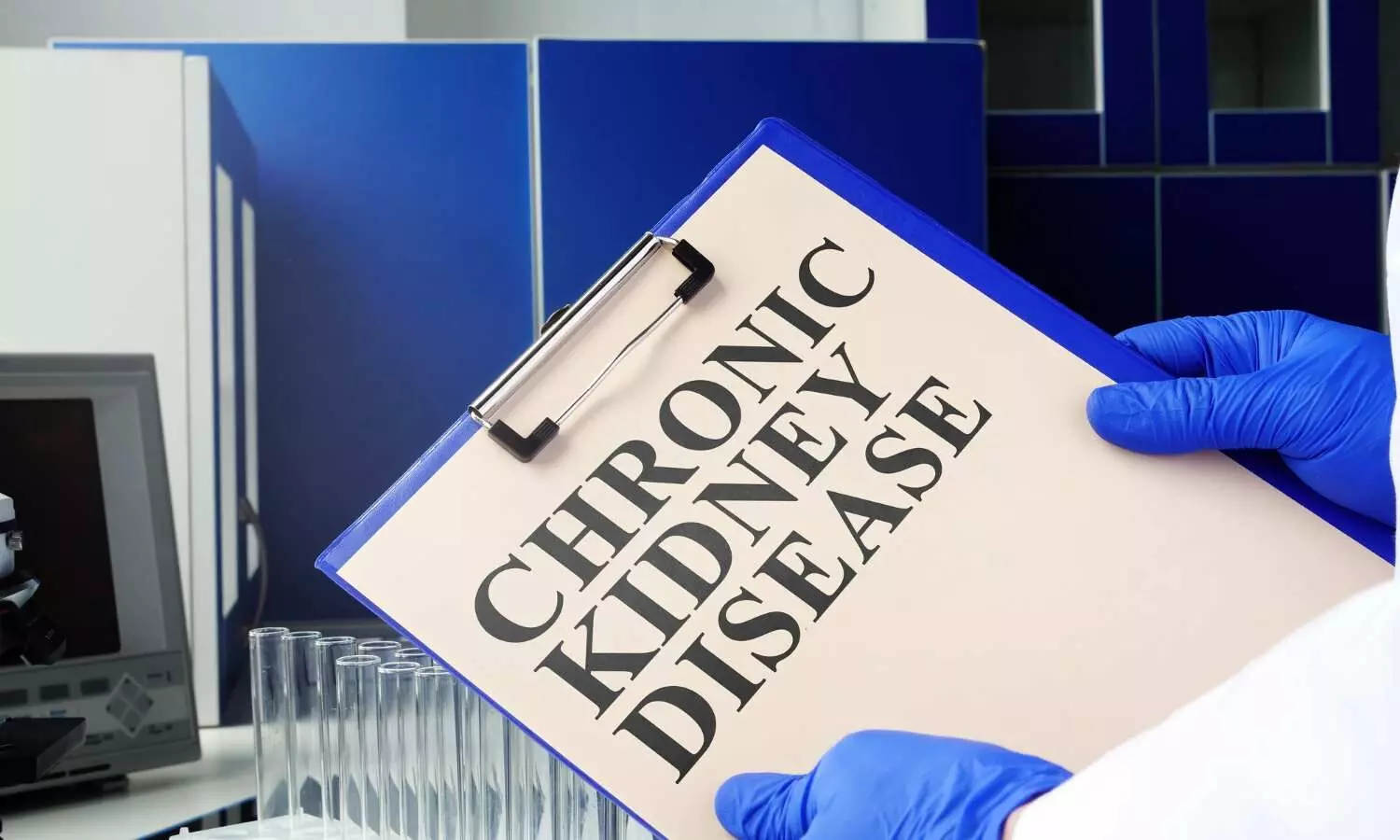
New research to be presented at ASN Kidney Week 2026 (October 22–25) explores the potential benefits and risks of sodium-glucose cotransporter 2 (SGLT2) inhibitors in adults aged 80 years and older with chronic kidney disease (CKD). The findings may help guide treatment decisions and optimize the management of kidney disease in this older population.
In their analysis of electronic health records data on 10,076 adults aged 80 years or older with CKD, investigators found that over a 2-year follow-up, initiating SGLT2 inhibitor therapy was linked to an 18% reduction in all-cause mortality and a 22% reduction in major adverse kidney events. There was no significant effect on major adverse cardiovascular events overall, but SGLT2 inhibitors were associated with higher risks of specific cardiac events like heart attacks and acute heart failure, as well as acute kidney injury.
“Very elderly individuals are historically underrepresented in or systematically excluded from large-scale randomized controlled trials due to multimorbidity and frailty. By leveraging real-world data, our research addresses a crucial blind spot in current medical literature,” said corresponding author Bernhard M. W. Schmidt, MD, SM, from the Department of Nephrology and Hypertension at Hannover Medical School, in Germany. “Even the oldest and most vulnerable CKD patients can derive substantial benefits from SGLT2 inhibitor treatment, but these medications may not be without risk in this demographic.
These patients require a careful, individualized risk-benefit assessment and close clinical monitoring.”
Reference:
Advanced age does not limit the benefits of sodium-glucose cotransporter 2 inhibitors in chronic kidney disease, American Society of Nephrology, Meeting: ASN Kidney Week

**Dr. Kartikeya Kohli** is a Senior Consultant in Internal Medicine at Max Super Speciality Hospital, Saket, New Delhi, with over 15 years of clinical experience. He specializes in Diabetes and Metabolic Medicine, Obesity Management, Hypertension, Cardiovascular Risk Reduction, Kidney Diseases, and Preventive Healthcare. He holds DNB in Medicine and MRCP (UK), with advanced training in Nephrology and postgraduate qualifications in Clinical Endocrinology & Diabetes, Advanced Diabetes Care, and Cardiology & ECG from the Royal College of Physicians. Dr. Kohli is actively involved in medical education and healthcare communication, having organized over 100 CME programmes and authored more than 200 medical articles and clinical updates. He has received several recognitions, including the IMA Distinguished Academician Award, Chikitsa Ratan Award, and Phoenix Award at AICON 2026.

