
Early Corticosteroid Therapy Improves Long-Term Kidney Recovery in Acute Interstitial Nephritis: Study
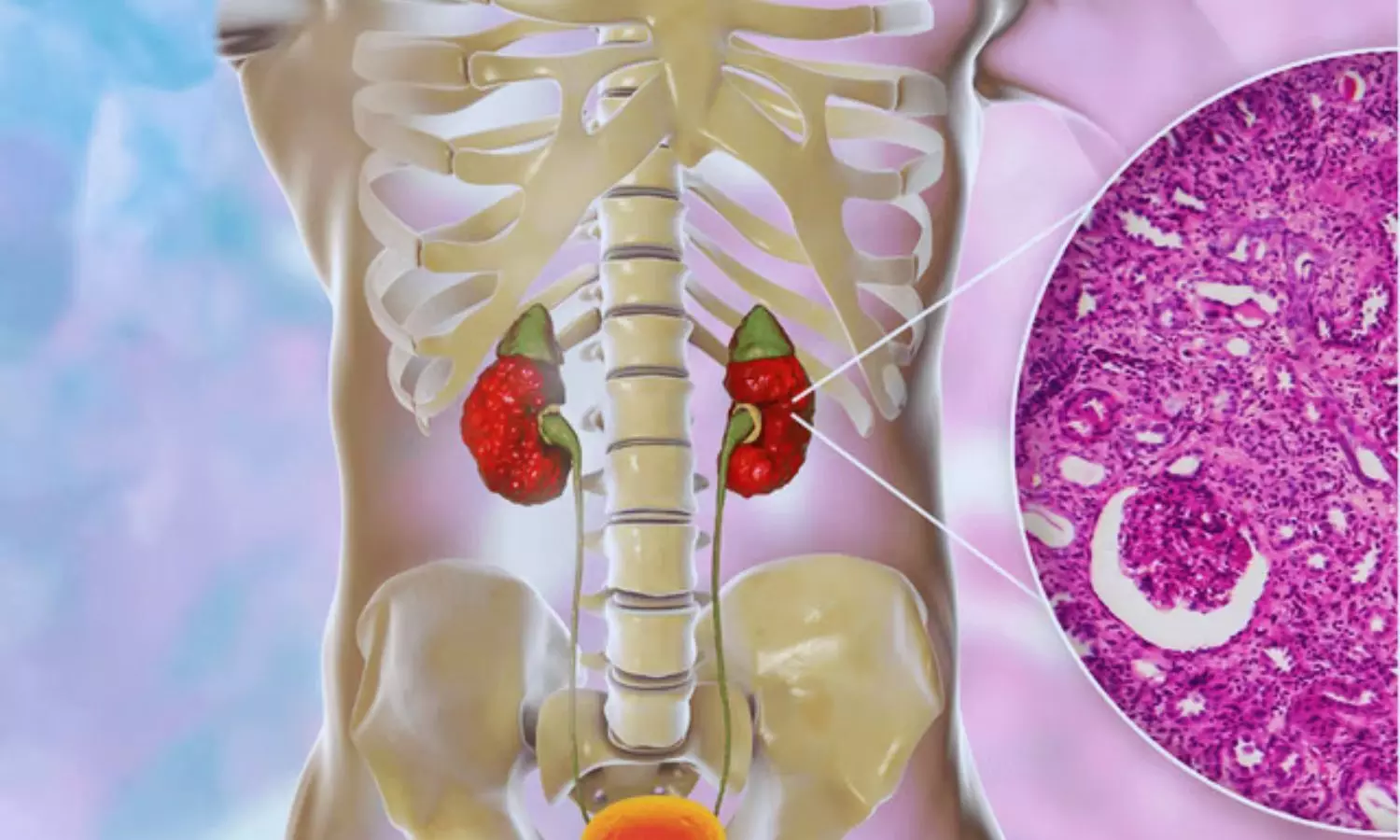


A recent retrospective study of acute interstitial nephritis (AIN) has uncovered that while everyday medications account for an overwhelming 73.5% of clinical cases—with alternative herbal therapies surprisingly leading the entire diagnostic cohort at 23.5%—timely medical intervention utilizing targeted corticosteroids can dramatically enhance both short- and long-term kidney recovery, as published in the Indian Journal of Nephrology in March 2026.
Acute interstitial nephritis (AIN) is frequently underdiagnosed and lacks comprehensive long-term data. To address this clinical gap, researchers at the Sanjay Gandhi Postgraduate Institute evaluated the clinical presentations, underlying causes, histopathological patterns, and long-term responses to immunosuppressive therapy in patients with biopsy-proven AIN.
Therefore, the 10-year retrospective study (2013–2023) analyzed 170 adults with biopsy-proven AIN to compare clinical outcomes between corticosteroid-treated and untreated groups. After excluding minors and patients with systemic autoimmune diseases, researchers evaluated 3-month kidney function recovery, dialysis dependency, progression to end-stage kidney disease, and overall patient survival.
Key Clinical Findings of the Study Includes:
• Etiological Dominance: Investigators noted that medications were the foremost instigators of kidney inflammation, with alternative medicines (23.5%) and non-steroidal anti-inflammatory drugs (19.4%) acting as the most prominent clinical culprits.
• Enhanced Functional Recovery: Researchers found that patients administered early corticosteroid regimens demonstrated a robust kidney recovery rate of 81%, decisively outpacing the 61.2% recovery observed in the untreated cohort.
• Glomerular Filtration Improvements: Clinicians reported that the median estimated glomerular filtration rate (eGFR) at three months was significantly preserved in the steroid-treated group (42.3 mL/min/1.73m2) versus the non-treated group (30.8 mL/min/1.73m2).
• Reduced Disease Progression: Experts observed that the long-term progression to end-stage kidney disease (ESKD) was markedly mitigated, occurring in just 14% of the corticosteroid cohort compared to 30.6% of those denied the therapy.
• Prolonged Patient Survival: Scientists established that overall patient survival was notably extended for individuals receiving steroid interventions, reaching an average of 105 months in contrast to 99.5 months for their untreated counterparts.
The results suggest that the clinical landscape of AIN is heavily influenced by alternative pharmacological agents and that integrating corticosteroid therapy provides substantial early functional recovery, ultimately lowering the long-term risk of dialysis dependency to 33.3% from a staggering 65.2% among severely affected patients.
Thus, the study concludes physicians may find it beneficial to maintain a high clinical suspicion regarding the use of alternative regional medications while considering prompt histopathological evaluations to facilitate the timely administration of kidney-sparing therapies.
Although the retrospective framework and delayed patient presentations inherently limit the comprehensive evaluation of early standardized steroid initiation protocols, future prospective inquiries could gently clarify these initial therapeutic windows and the precise biochemical constituents of the implicated herbal supplements.
Reference
Sharma H, Prasad N, Mohakuda S, Kaul A, Kushwaha RS, Patel MR, et al. Long-Term Outcomes and Role of Corticosteroids in Biopsy-Proven Acute Interstitial Nephritis. Indian J Nephrol.
