Corticosteroids tied to Faster Hypoxemia Recovery in patients with Mycoplasma Pneumonia: Lancet
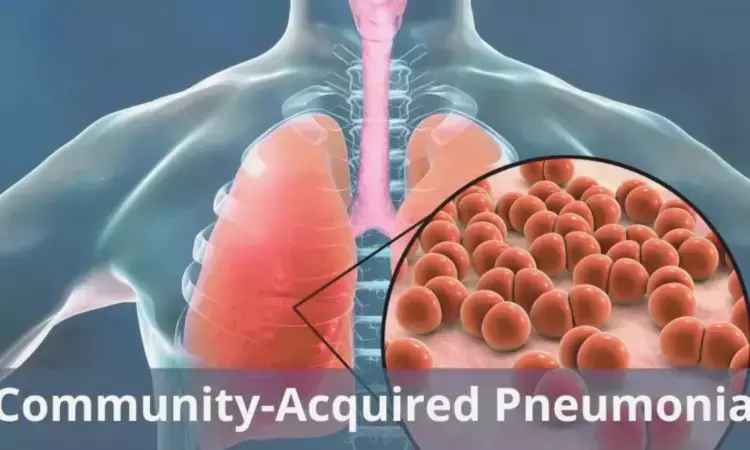


Researchers have found in a randomized trial that adding corticosteroid therapy with betamethasone hastened the resolution of hypoxemia in hospitalized adults with Mycoplasma pneumoniae community-acquired pneumonia (CAP). These results align with 2024 recommendations supporting corticosteroid use in severe bacterial CAP. However, it remains unclear whether these findings apply to patients treated outside the hospital or to pneumonia caused by other pathogens. The study was published in The Lancet Regional Health by Karl H. and colleagues.
The study was conducted as an open-label and multi-centre trial among 70 subjects recruited from March 1, 2018, to November 14, 2024. The subjects meeting the selection criteria were adults with M. pneumoniae CAP who presented with respiratory distress manifesting through SpO2 less than 93% and breathing more than 20 breaths per minute. In order to maintain a well-controlled study population, patients with additional medical illnesses such as asthma or diabetes mellitus were not included since they may affect the efficacy of the steroids. Patients were randomized at a ratio of 1:1 where the treatment group received oral doses of betamethasone at 3 mg/day for days 1-2 and then 2 mg/day for days 3-5 while the control group had no steroids but received only conventional treatment.
Key findings:
- The main result of the research concerned the time required for the resolution of hypoxaemia, assessed with the help of an intention-to-treat approach.
- Out of 70 patients included in the trial, the median age of the patients was 42 years (IQR 28–49). Also, the distribution was as follows: 40 patients were male (57%), and 30 patients were female (43%).
- The statistical analysis of the results obtained demonstrated a significantly better treatment in the steroid group: the median duration of time until resolution of hypoxaemia amounted to only 2.3 days (95% CI 1.8–2.7) when compared with 3.6 days (95% CI 1.9–5.3) for the control group.
- As a result, the HR was estimated as 1.82 (95% CI 1.10–3.02; P = 0.020). Only two people withdrew from the program, while all others fully resolved their condition.
The results of this study confirm the efficacy and safety of the intervention; the authors have found a statistically significant difference between the time spent on respiratory recovery in the intervention group, while the adverse effects associated with the administration of corticosteroids were not observed. This research adds another important step in the development of treatment protocols for community-acquired pneumonia, especially when it comes to managing patients suffering from Mycoplasma pneumoniae.
Reference:
Hagman, K., Hedenstierna, M., Andersson Norlén, E., Biasoletto, K., Eklund Josephson, M., Fraenkel, C.-J., Hedman, E., Ljungberg, J., Ljungquist, O., Månsson, V., Nygren, D., de Oliveira e Costa, M., Rydén, C., Skov Jensen, J., Stenlund, G., Tverring, J., Wasserstrom, L., Nilsson, A. C., & Ursing, J. (2026). Adjunctive betamethasone treatment of hypoxaemic adults hospitalised with Mycoplasma pneumoniae community-acquired pneumonia: an open-label, multicentre, randomised, controlled trial. The Lancet Regional Health. Europe, 101610, 101610. https://doi.org/10.1016/j.lanepe.2026.101610