
- Home
- Medical news & Guidelines
- Anesthesiology
- Cardiology and CTVS
- Critical Care
- Dentistry
- Dermatology
- Diabetes and Endocrinology
- ENT
- Gastroenterology
- Medicine
- Nephrology
- Neurology
- Obstretics-Gynaecology
- Oncology
- Ophthalmology
- Orthopaedics
- Pediatrics-Neonatology
- Psychiatry
- Pulmonology
- Radiology
- Surgery
- Urology
- Laboratory Medicine
- Diet
- Nursing
- Paramedical
- Physiotherapy
- Health news
- Fact Check
- Bone Health Fact Check
- Brain Health Fact Check
- Cancer Related Fact Check
- Child Care Fact Check
- Dental and oral health fact check
- Diabetes and metabolic health fact check
- Diet and Nutrition Fact Check
- Eye and ENT Care Fact Check
- Fitness fact check
- Gut health fact check
- Heart health fact check
- Kidney health fact check
- Medical education fact check
- Men's health fact check
- Respiratory fact check
- Skin and hair care fact check
- Vaccine and Immunization fact check
- Women's health fact check
- AYUSH
- State News
- Andaman and Nicobar Islands
- Andhra Pradesh
- Arunachal Pradesh
- Assam
- Bihar
- Chandigarh
- Chattisgarh
- Dadra and Nagar Haveli
- Daman and Diu
- Delhi
- Goa
- Gujarat
- Haryana
- Himachal Pradesh
- Jammu & Kashmir
- Jharkhand
- Karnataka
- Kerala
- Ladakh
- Lakshadweep
- Madhya Pradesh
- Maharashtra
- Manipur
- Meghalaya
- Mizoram
- Nagaland
- Odisha
- Puducherry
- Punjab
- Rajasthan
- Sikkim
- Tamil Nadu
- Telangana
- Tripura
- Uttar Pradesh
- Uttrakhand
- West Bengal
- Medical Education
- Industry
Elevated TyG Index Linked to Higher CKD Risk: Study
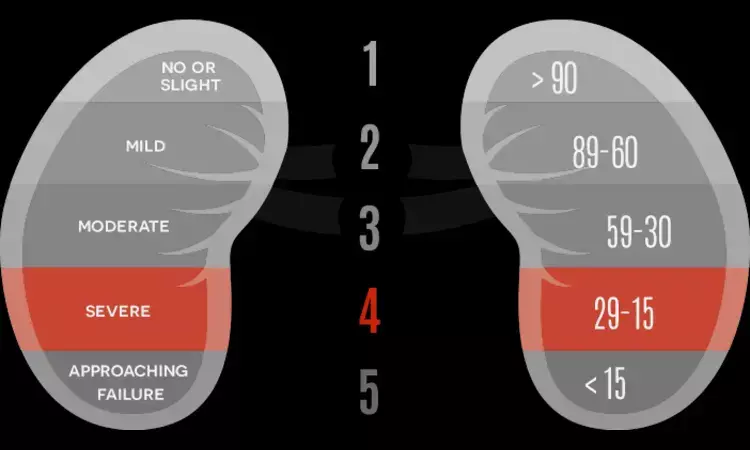
A new study published in Renal Failure by Zhang Y. and colleagues reports that a higher triglyceride-glucose (TyG) index is independently associated with an increased risk of developing chronic kidney disease (CKD). The authors followed a large cohort of adults with normal baseline renal function, calculated the TyG index from fasting triglyceride and glucose levels, and observed that individuals in the highest TyG quartiles had a significantly greater likelihood of progressing to CKD compared to those in lower quartiles. Importantly, this relationship persisted after adjustment for conventional risk factors such as age, blood pressure, cholesterol, body mass index, and baseline estimated glomerular filtration rate, suggesting that the TyG index may offer incremental predictive value for early kidney risk.
What this really means is that the TyG index may serve as a practical, accessible biomarker for identifying individuals at higher risk of CKD before more overt signs of kidney damage appear. The investigators found that even over relatively short follow-up periods, elevated TyG values predicted earlier onset of reduced kidney function, supporting its potential use in early risk stratification. Their discussion emphasizes that insulin resistance—of which the TyG index is a surrogate—may drive kidney damage via endothelial dysfunction, oxidative stress, inflammation and glomerular hyperfiltration, thereby providing a plausible mechanistic link between elevated TyG and declining renal health. The authors propose that in clinical practice, routine measurement of the TyG index could help prompt closer renal monitoring, lifestyle or pharmacologic interventions aimed at reducing metabolic stress.

Dr. Shravani Dali has completed her BDS from Pravara institute of medical sciences, loni. Following which she extensively worked in the healthcare sector for 2+ years. She has been actively involved in writing blogs in field of health and wellness. Currently she is pursuing her Masters of public health-health administration from Tata institute of social sciences. She can be contacted at editorial@medicaldialogues.in.

