
Extracorporeal Shockwave Lithotripsy Provides Stone-Free Rate in Pediatric Patients, Suggests Study
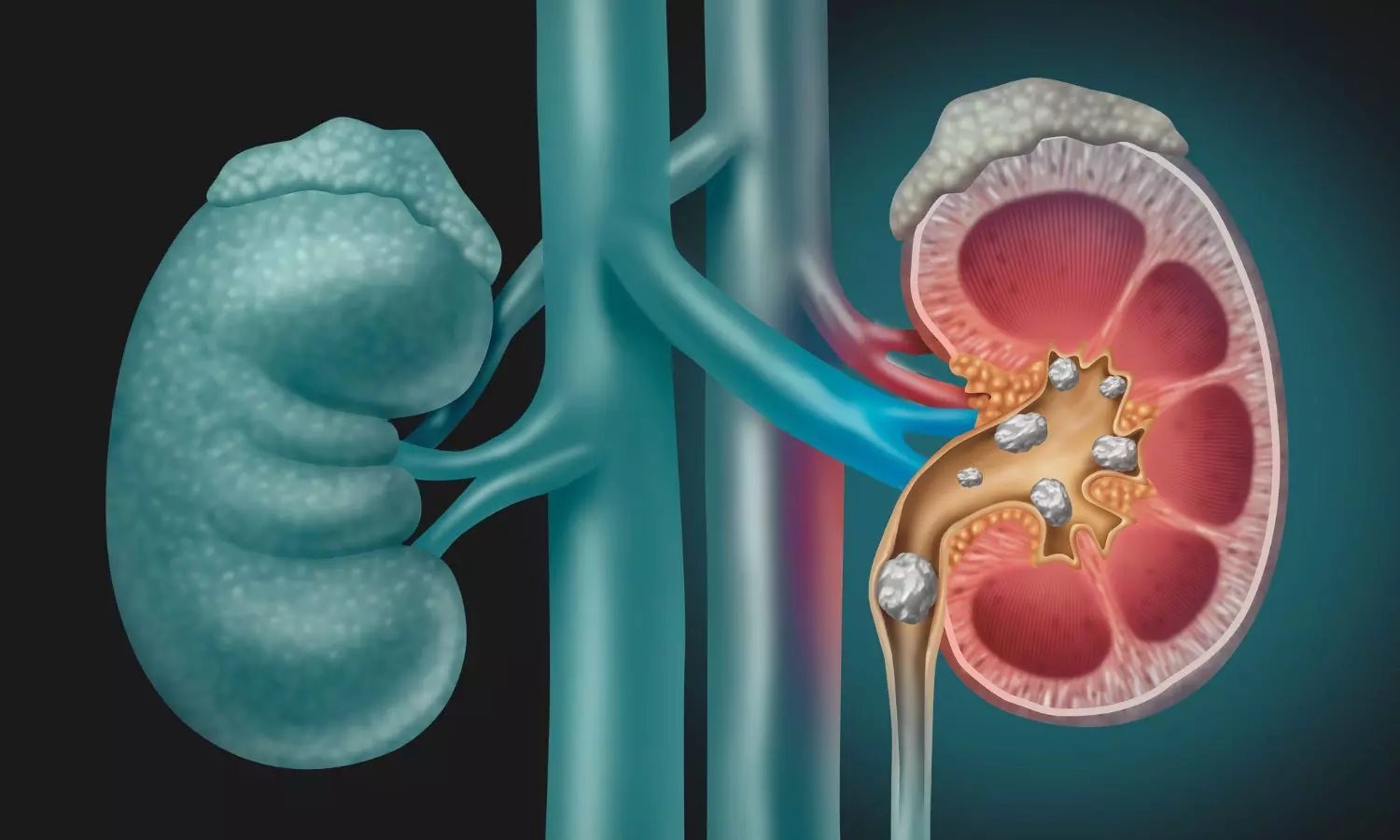


A recent study in the International Journal of Research in Medical Sciences in March 2021 reports an 85.7% stone-free rate for small pediatric stone burdens treated with Extracorporeal Shockwave Lithotripsy (ESWL). Given that 64% of patients presented with underlying metabolic abnormalities.
Urolithiasis in children often stems from a complex interplay of metabolic, environmental, and anatomical factors, yet despite established adult protocols, a clear international consensus for pediatric management remains elusive; consequently, Dr. Manharsinh Rajput and his colleagues from the Department of Urology at Dispur Hospital Pvt. Ltd. in Guwahati sought to evaluate institutional data and review contemporary guidelines to bridge this clinical gap.
Therefore, the retrospective study evaluated 100 pediatric patients (ages 6–15; mean age 10) with radiographically confirmed urolithiasis over a three-year period. The analysis focused on stone clearance efficacy using interventions such as ESWL, PCNL, and URS, while integrating comprehensive metabolic screening for biochemical triggers like hypercalciuria and hyperoxaluria.
Key Clinical Findings of the Study Includes:
• ESWL Efficacy: The study reported that Extracorporeal Shockwave Lithotripsy achieved a high 85.7% stone-free rate for smaller renal burdens, with the vast majority of patients responding effectively to a single treatment session of 1000 to 2000 shocks.
• PCNL Performance: For more complex or larger stones, Percutaneous Nephrolithotomy yielded an 83.33% complete clearance rate using a 14 Fr nephroscope, with minor post-operative complications like pyrexia occurring in only 2% of cases and resolving with conservative care.
• Endoscopic Success: Ureteroscopic Retrieval of Stone resulted in a 75% success rate for ureteral calculi, frequently employing a 6/7.5 Fr semi-rigid ureteroscope and Holmium:Yttrium-Aluminum-Garnet (Ho:YAG) laser fragmentation to ensure effective stone disintegration.
• Metabolic Prevalence: An underlying metabolic abnormality was discovered in 64% of children, with normocalcemic hypercalciuria emerging as the most frequent metabolic driver, followed by significant rates of hyperoxaluria and hyperuricosuria.
• Management Stratification: While 50% of stones were located in the kidney, nearly 30% of the total patient cohort was successfully managed through conservative observation for very small stone burdens of less than 3 mm.
The results suggest that while minimally invasive surgical techniques are highly effective for stone clearance, the high 70% prevalence of calcium oxalate stones and the frequency of underlying metabolic triggers necessitate a standardized, early evaluation to prevent long-term renal damage.
Thus, the study concludes clinicians should adopt a proactive approach by integrating early metabolic testing and tailored endourological interventions to optimize clearance and minimize the risk of stone recurrence in the pediatric population.
While the single-center retrospective study provides valuable regional data on pediatric urolithiasis, its limited sample size and the retrospective nature of the data underscore the importance of future large-scale, prospective research with extended follow-up periods to further validate these management strategies.
Reference
Rajput M, Paul SL, Deka PM. Endourological management of pediatric urolithiasis in Northeast India. Int J Res Med Sci 2021;9:798-803
