
Hydronephrosis Grade Drives Emergency Treatment Choices in Pregnant Patients, Data Reveal
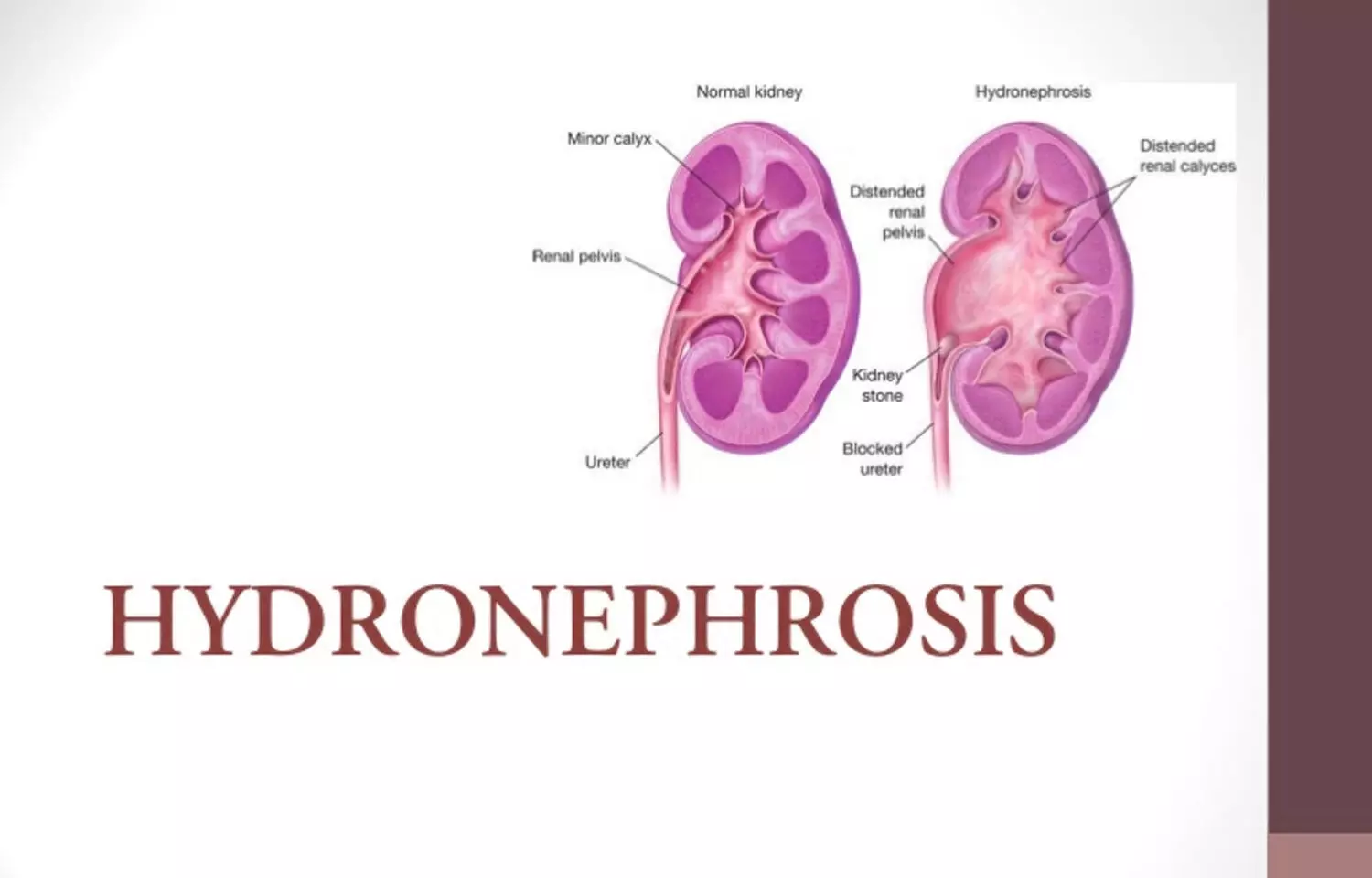


When a pregnant woman presents to the emergency department with flank pain and suspected hydronephrosis, what tips the balance between conservative and invasive management? The answer, according to new research, often lies in a single variable: the hydronephrosis grade on ultrasound.
Study Snapshot: Retrospective Review of ED Presentations
Researchers retrospectively analyzed 102 pregnant women presenting with symptomatic hydronephrosis at an emergency department (2022–2025). All had urinary symptoms or obstruction and a confirmed diagnosis of hydronephrosis on renal ultrasound. The team recorded demographic data, lab results, hydronephrosis grade, and whether patients underwent conservative management or invasive JJ stent placement.
Key Finding: Hydronephrosis Grade Dominates Decision-Making
Hydronephrosis grade was the single most powerful predictor of invasive treatment (AUC: 0.856).
Grade ≥3 hydronephrosis was the optimal cutoff for considering JJ stent placement—at this threshold, sensitivity reached 100% and specificity 67%.
All patients with Grade 2 hydronephrosis were managed conservatively, while all Grade 4 patients received a JJ stent. Grade 3 was a clinical gray zone: about half received a stent.
Younger age also independently predicted invasive intervention, but other variables—such as albumin or hematuria—lost significance when hydronephrosis grade was properly adjusted for in advanced statistical models.
Clinical Implications: Imaging Trumps Labs
Although initial analysis suggested that higher albumin and absence of hematuria were associated with stent placement, these factors were ultimately proxies for more severe hydronephrosis. When clinicians face management choices, ultrasound grading provides the most actionable data—lab markers add little, once imaging is considered.
Understanding the Gray Zone: The Challenge of Grade 3
For patients with Grade 3 hydronephrosis, clinical judgment becomes essential. About half of these cases required invasive intervention, underscoring the need for close monitoring, individualized assessment, and possibly more standardized protocols for this intermediate group.
Limitations and Next Steps
Single center, retrospective design—results may not generalize to all populations or settings.
No standardized protocol for stent placement; decisions were made by individual physicians.
Lack of outcome data—the study did not track maternal or fetal outcomes following intervention.
Future prospective, multicenter studies are needed to refine and validate decision algorithms, ensuring safe, evidence-based care for both mothers and infants.
Conclusion
In pregnant women presenting with symptomatic hydronephrosis, hydronephrosis grade on ultrasound is the dominant driver of emergency treatment decisions. Grade ≥3 should prompt serious consideration of invasive management, with other factors playing only a minor role.
Key Points
Hydronephrosis grade is the strongest predictor for choosing invasive treatment in pregnancy.
Grade ≥3 hydronephrosis should trigger close evaluation for JJ stent placement.
Lab results and hematuria lose significance after accounting for hydronephrosis severity.
Grade 3 represents a clinical gray area—judgment and monitoring remain vital.
Standardized protocols and outcome studies are needed to guide future practice.
Citation:
Barut E., Giden R., Barut K. et al. Factors associated with treatment decisions in pregnant women with symptomatic hydronephrosis presenting to the emergency department: a retrospective cohort study. BMC Pregnancy Childbirth. 2026; [in press]. https://doi.org/10.1186/s12884-026-09678-x
