
Neighborhood Disadvantage Limits Access to Kidney Transplantation, Finds JAMA Study
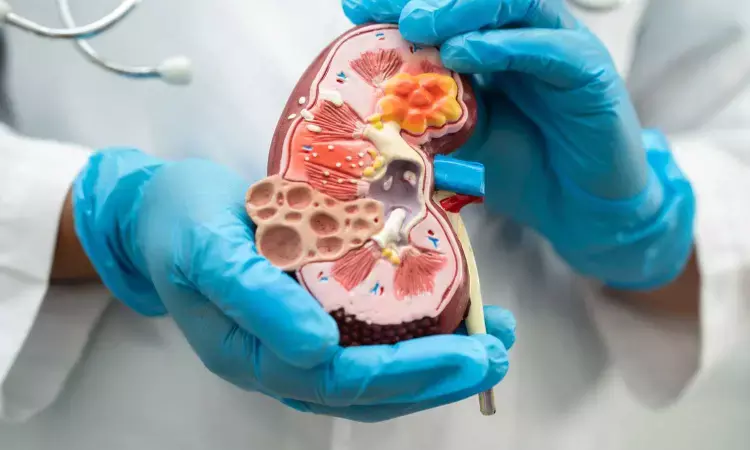


USA: A recent cohort study examining adults with End-Stage Kidney Disease (ESKD) and kidney transplant (KT) candidates found that living in highly disadvantaged neighborhoods significantly limits access to life-saving treatments.
The research, published in JAMA Network Open by Yiting Li and colleagues from New York University Grossman School of Medicine, highlights how neighborhood-level disadvantage contributes to ongoing racial and ethnic disparities in kidney transplantation.
The study aimed to determine whether residing in neighborhoods with high disadvantage affects the likelihood of being waitlisted for a kidney transplant and actually receiving one. Researchers analyzed data from a US national registry, covering adults with ESKD who began dialysis between January 2015 and December 2021, as well as KT candidates on the waitlist. Neighborhood disadvantage scores were calculated based on factors including poverty, unemployment, housing instability, education, criminal justice exposure, transportation barriers, wealth inequality, social fragmentation, and the built environment.
The cohort included 501,444 adults initiating dialysis (mean age 63.9 years; 58.6% male) and 95,068 waitlisted KT candidates (mean age 53.7 years; 63.5% male). About one-third of adults with ESKD (34.7%) and over a quarter of KT candidates (28.1%) lived in high-disadvantage neighborhoods.
The study led to the following findings:
- Residents of high-disadvantage neighborhoods were significantly less likely to be waitlisted for kidney transplantation compared with those living in low-disadvantage areas.
- Lower waitlisting rates were observed among Black (AHR, 0.68), Hispanic (AHR, 0.89), Asian (AHR, 0.87), and White (AHR, 0.68) adults residing in highly disadvantaged neighborhoods, relative to White adults in low-disadvantage neighborhoods.
- Candidates from high-disadvantage neighborhoods had reduced access to kidney transplantation overall (AHR, 0.89).
- The likelihood of receiving a live-donor kidney transplant was substantially lower among residents of highly disadvantaged neighborhoods (AHR, 0.65).
- Access to preemptive kidney transplantation was also reduced in candidates from high-disadvantage areas (AHR, 0.62).
- Disparities were most pronounced among Black candidates, who were markedly less likely to receive any kidney transplant (AHR, 0.60), a live-donor transplant (AHR, 0.23), or a preemptive transplant (AHR, 0.22) compared with White candidates in low-disadvantage neighborhoods.
- The negative impact of neighborhood disadvantage on transplant access was more evident in Western regions of the US and among individuals living in suburban or rural high-disadvantage areas.
The findings highlight that neighborhood disadvantage acts as a structural barrier to kidney transplant access, amplifying racial and ethnic inequities.
The authors suggest that transplant programs and clinicians collaborate with social workers and community organizations to implement targeted interventions. These could include outreach initiatives, patient education, and financial support to help overcome the challenges faced by residents of disadvantaged neighborhoods.
"The study demonstrates that where a patient lives can directly influence life-saving kidney transplant opportunities. Addressing neighborhood-level disparities is essential for promoting equitable access and improving outcomes for adults with ESKD," they concluded.
Reference:
Li Y, Menon G, Kim B, et al. Residential Neighborhood Disadvantage and Access to Kidney Transplantation. JAMA Netw Open. 2025;8(12):e2549679. doi:10.1001/jamanetworkopen.2025.49679

Next Story