Preemptive Kidney Transplantation Improves Graft Outcomes but Not Patient Survival: JAMA
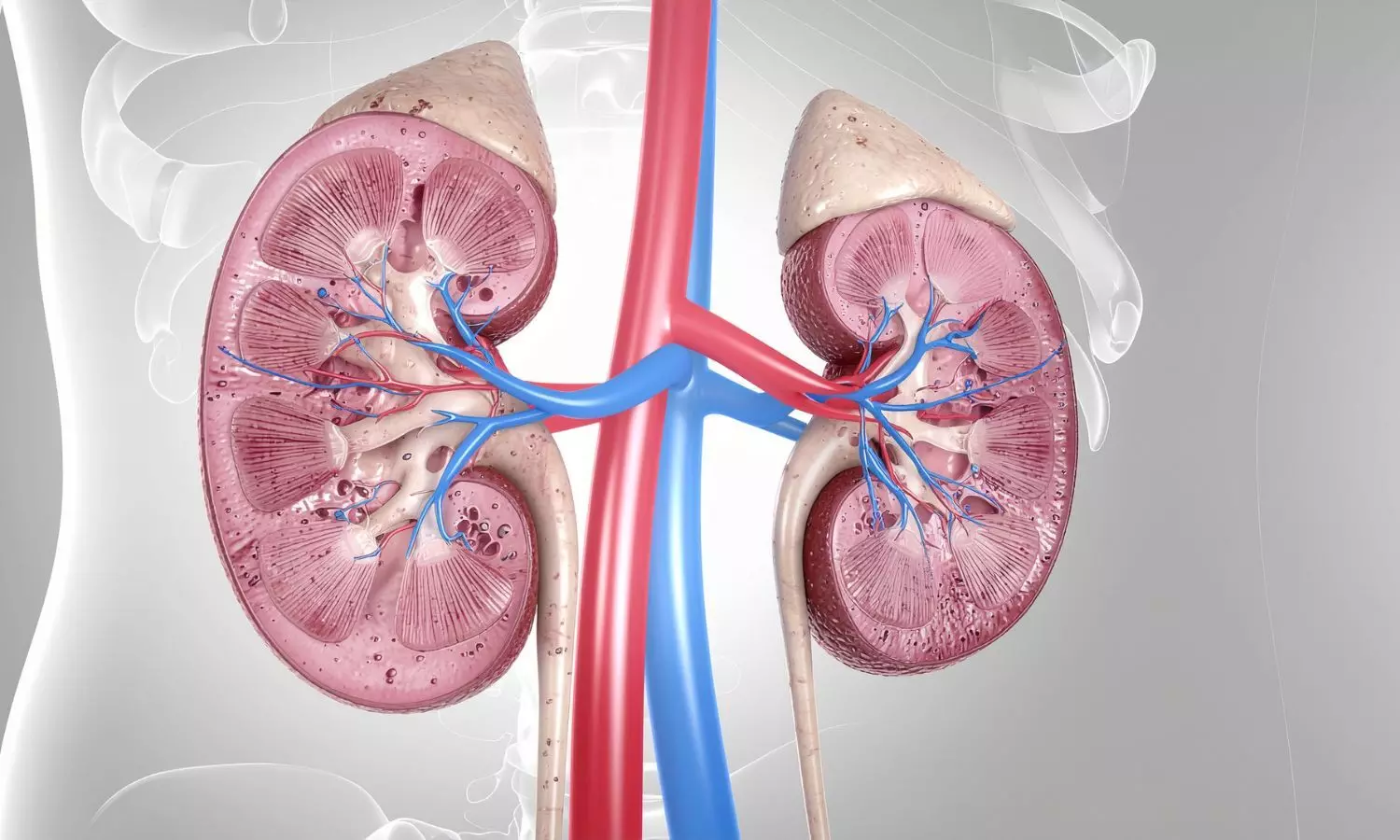


A new study published in the Journal of American Medical Association showed that preemptive organ transplant did not lead to better patient survival, contradicting results from earlier studies comparing effectiveness.
Preemptive kidney transplant is considered the best treatment for kidney failure before dialysis. However, uncertainties persist regarding whether it truly provides a survival benefit due to biases such as confounding, selection, and lead-time. This research aimed to determine the impact of preemptive versus nonpreemptive kidney transplants on mortality and graft success among recipients through a target trial simulation.
In this study, data from the Scientific Registry of Transplant Recipients database were examined between January 2005 and November 2023. The focus was on adults receiving their first kidney transplant with an initial eGFR of ≤20 mL/min/1.73 m². To balance baseline characteristics, stabilized inverse probability of treatment weighting (IPTW) was employed to account for demographic, clinical, and financial factors. The main measure was all-cause mortality, while secondary measures included overall graft failure, death-censored graft failure, and delayed graft function.
Among 32,770 individuals who received transplants, 15,894 (48.5%) underwent preemptive transplantation with an average age of 53.7 years, of which 7007 (44.1%) were female, while 16,876 (51.5%) received nonpreemptive transplants with an average age of 54.5 years, of which 6978 (41.3%) were female.
The total follow-up period exceeded 265,369 person-years, during which 6827 deaths were recorded. Preemptive transplantation did not show any advantage in terms of mortality (HR, 1.02; 95% CI, 0.96-1.07). The differences in survival rates were estimated to be around 1% to 2% per year.
Opting for preemptive transplantation was linked to a decreased likelihood of delayed graft function (OR, 0.68; 95% CI, 0.64-0.72) and a lower risk of graft failure that is specific to death (HR, 0.81; 95% CI, 0.74-0.88), although this connection was weakened after accounting for delayed graft function. There was no noticeable connection with overall graft failure (HR, 0.96; 95% CI, 0.91-1.00).
In a study that followed 32,770 kidney transplant patients, getting a preemptive transplant did not show any benefits in terms of patient survival, contradicting findings from previous studies comparing different treatments. However, it did lead to a decrease in delayed graft function and death-censored graft failure.
Source:
Rampersad, C., Liew, I. T., Liu, K., Irish, G. L., Clayton, P. A., Knoll, G., Naylor, K., & Kim, S. J. (2026). Survival outcomes following preemptive vs nonpreemptive kidney transplantation. JAMA Network Open, 9(10), e2637964. https://doi.org/10.1001/jamanetworkopen.2026.37964