Proteinuria Predicts Faster Renal Progression in Diabetic Kidney Disease: Study
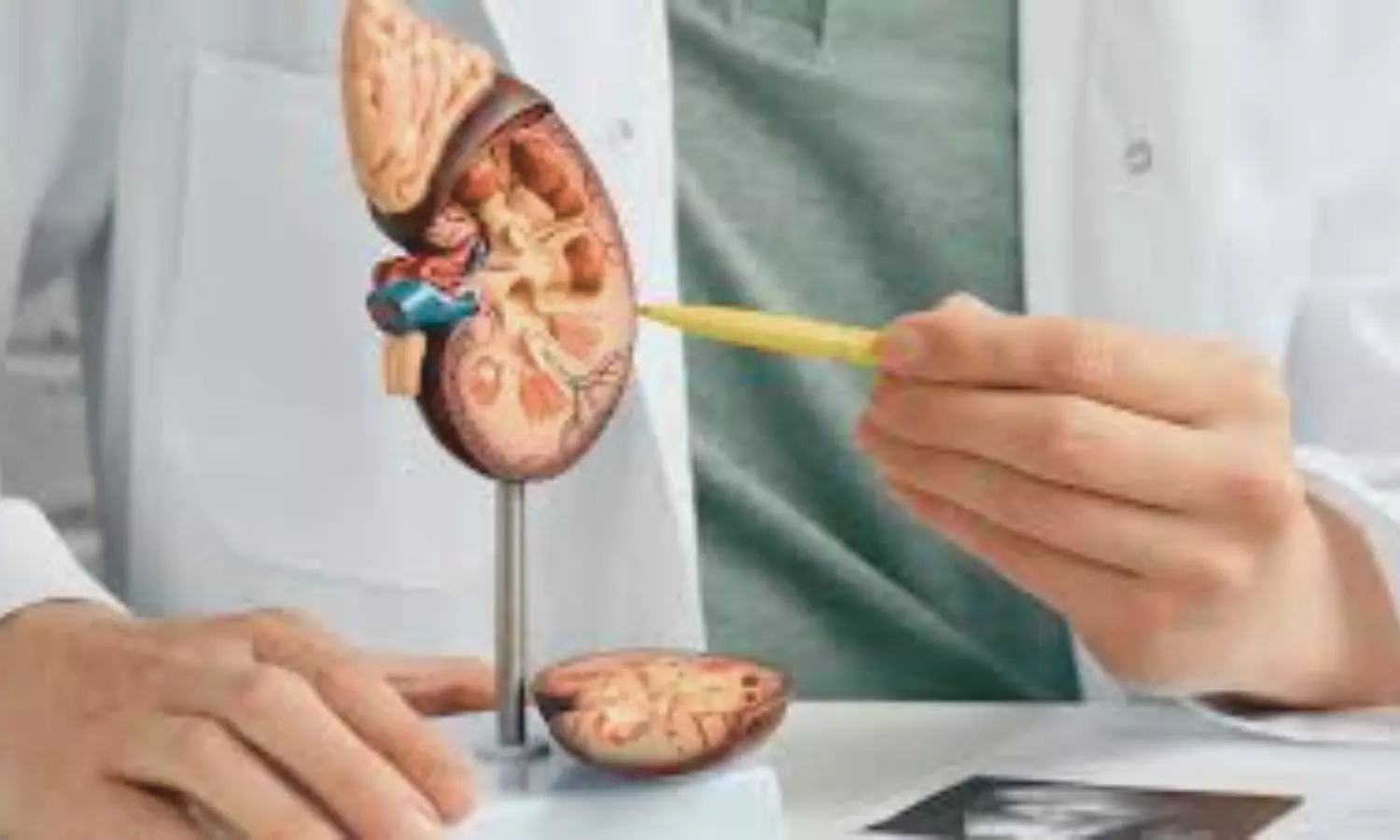


A single-center retrospective study conducted in a tertiary nephrology unit of Sri Lanka has helped to elucidate various clinical features related to the pathways of progression of diabetic kidney disease (DKD). It was observed that proteinuric DKD (P-DKD) and non-proteinuric DKD (NP-DKD) are different clinical phenotypes, highlighting that proteinuria is still a strong predictor for rapid renal progression, whereas NP-DKD shows slower eGFR decline but is seen in an elderly population. The study was published in the Indian Journal of Nephrology by Sivakajani B. and fellow researcher.
To assess longitudinal renal function decline in patients with different presentations of DKD, a retrospective observational study was performed involving 302 DKD patients who sought treatment at a specialized tertiary nephrology center from August 2017 to August 2019. Patients were divided into two clinical cohorts based on their baseline levels of urinary protein excretion: proteinuric DKD (P-DKD) cohort and non-proteinuric DKD (NP-DKD) cohort.
Renal function decline was measured using serial changes in estimated glomerular filtration rate (eGFR) over a 24-month follow-up period. The multivariable linear regression analyses were carried out to control for clinical confounding factors, including age, sex, baseline eGFR, duration of diabetes, baseline blood pressure, RAAS inhibitors, and diabetic retinopathy.
Key findings:
- In analysis performed amongst the 302 DKD study participants (mean age 66± 9.6 years, 69.5% men), the differences in demographics and physiology between the two DKD treatment phenotypes over the course of 24-month follow-up period became obvious.
- The patients diagnosed with P-DKD showed a much faster reduction in the eGFR than the patients with NP-DKD in terms of the rate (the decrease went from 30 down to 24mL/min/1.73 m² vs. 38 down to 30mL/min/1.73 m² over 24 months) even after adjustment for multiple factors.
- Patients with NP-DKD tended to be older, to have a higher renal function at entry into the study (that is to have a higher baseline eGFR), to develop fewer comorbidities, including diabetic retinopathy, and to possess a lower cardiovascular risk factor profile when compared with P-DKD participants.
- Pharmacotherapy by RAAS inhibitors was more often observed in the P-DKD group and showed its independent protective effect on the rate of eGFR decline.
In summary, 24 months of clinical follow-up shows that proteinuric and non-proteinuric diabetic nephropathy are different pathophysiological entities, which progress at different rates. The conclusions from this study highlight the fact that proteinuria is still the most important predictor of rapid progression of renal dysfunction, while non-proteinuric disease is a slow, age-related process.
Reference:
Balakumar, S., & Herath, C. (2026). Comparison of renal function decline in proteinuric and non-proteinuric diabetic kidney disease: A retrospective single-centre study. Indian Journal of Nephrology, 0, 1. https://doi.org/10.25259/ijn_125_2026