SGLT2 Inhibitors Linked to Lower Mortality and Infection Risk in Peritoneal Dialysis Patients: Study
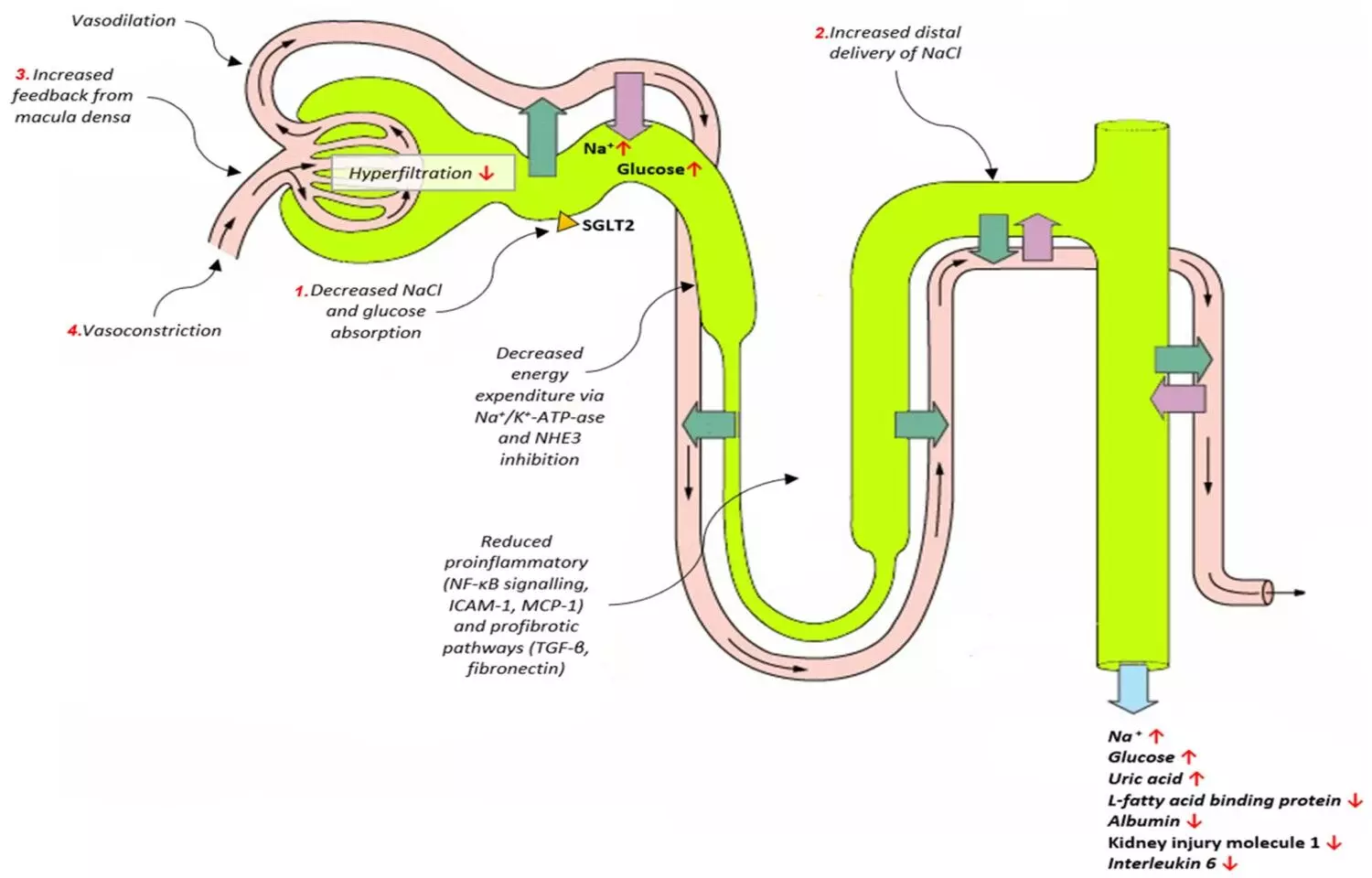


Researchers have discovered in a large real-world cohort of peritoneal dialysis (PD) patients with type 2 diabetes that use of SGLT2 inhibitors was associated with reduced risks of death and major infections, without significant safety concerns. These findings support the potential benefits of SGLT2 inhibitors in this population, although confirmation through randomised clinical trials is needed.
Sodium–glucose cotransporter 2 inhibitors (SGLT2i) improve cardiovascular outcomes in chronic kidney disease, but their effects in peritoneal dialysis (PD) patients who are infection-prone remain unclear. The study design of this research is a target-trial emulation using the global federated electronic health record database. Adults (18–90 years) with type 2 diabetes on PD for ≥3 months between February 2015 and June 2025 were included. Propensity score matching balanced SGLT2i and nonusers. Primary outcomes were all-cause mortality, severe sepsis, sepsis, and pneumonia; secondary outcomes included major adverse cardiovascular events (MACE) and peritoneal dialysis -associated peritonitis.
Among 29 529 eligible patients, 2815 (9.5%) received SGLT2i. After matching, 2749 patients were retained in each group with well-balanced baseline characteristics. Over a median follow-up of 0.79 years, SGLT2i users were associated with lower risks of all-cause mortality [adjusted hazard ratio (aHR) 0.818], severe sepsis (aHR 0.802), sepsis (aHR 0.661), pneumonia (aHR 0.664), and PD-associated peritonitis (aHR 0.340). MACE was not significantly different (aHR 0.798). SGLT2i was not associated with increased diabetic ketoacidosis, hypoglycemia, genital infection, volume depletion, or amputation.
In this large real-world peritoneal dialysis cohort with type 2 diabetes, SGLT2i use was associated with lower risks of death and major infections without safety concerns, supporting potential benefit pending randomised trial confirmation.
Reference:
Yi-Ting Chen, Chung-An Wang, Jui-Yi Chen, Vin-Cent Wu, Safety and clinical impact of SGLT2 inhibitor in patients undergoing peritoneal dialysis: a target-trial emulation study, Clinical Kidney Journal, Volume 19, Issue 6, June 2026, sfag148, https://doi.org/10.1093/ckj/sfag148
Keywords:
SGLT2, Inhibitors, Linked, Lower, Mortality, Infection Risk, Peritoneal, Dialysis Patients, Study, end-stage kidney disease, mortality, peritoneal dialysis, SGLT2 inhibitor, peritoneal dialysis, sepsis, hypoglycemia, surgical, amputation, hypovolemia, kidney failure, chronic, diabetes mellitus, type 2, follow-up, peritonitis, pneumonia, safety, infections, mortality, genital system, sepsis, severe, target trialsodium-glucose transporter, inhibitors, target study, primary outcome, measure, Yi-Ting Chen, Chung-An Wang, Jui-Yi Chen, Vin-Cent Wu