Small Bowel Lesions: An Underrecognized Cause of GI Bleeding in Hemodialysis Patients: Study
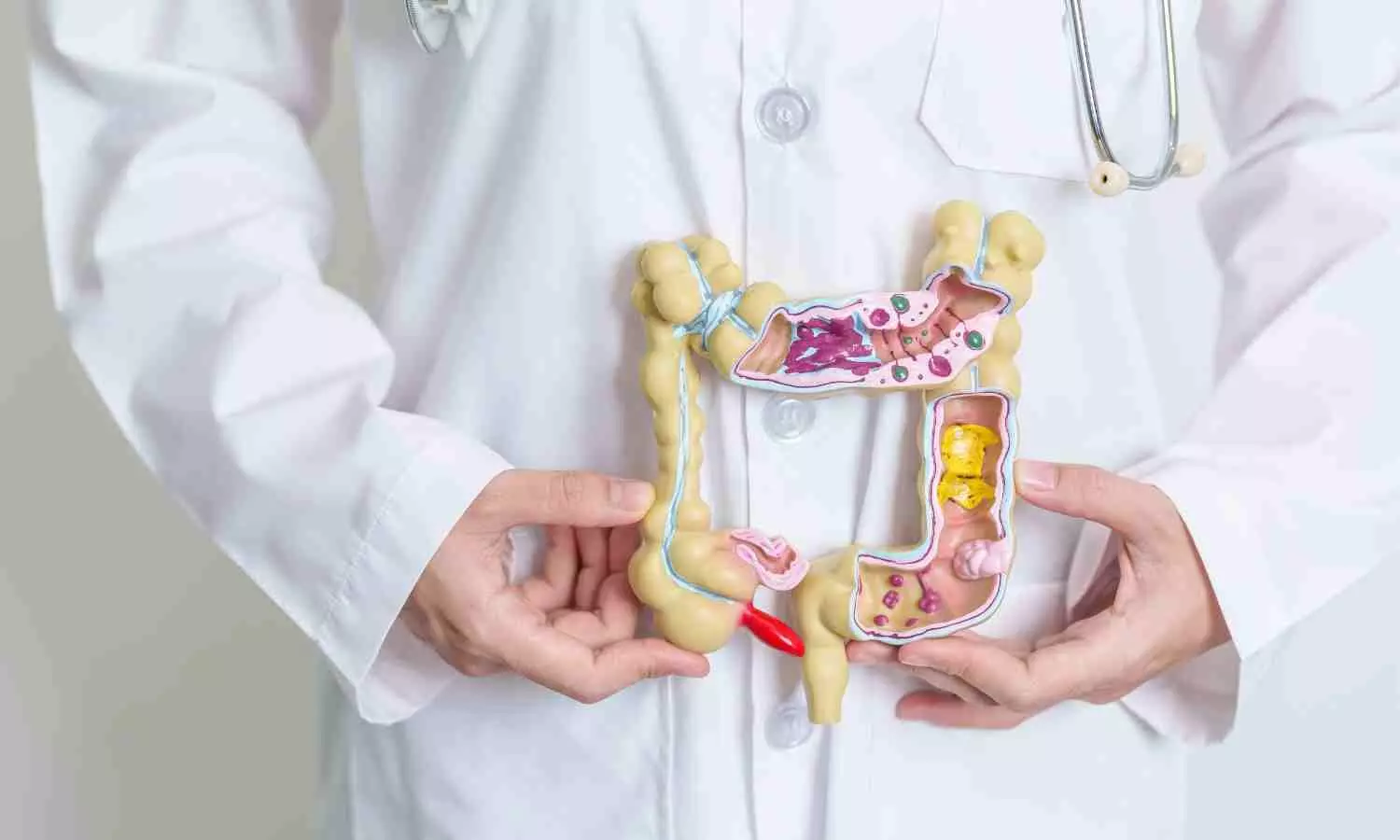


According to a new research, small bowel lesions may be a major and underrecognized source of gastrointestinal bleeding in hemodialysis patients. Capsule endoscopy provides the highest diagnostic yield, although optimal treatment strategies remain unclear and recurrent bleeding is common. Early detection, individualized treatment planning, and cautious use of anticoagulant and antiplatelet therapy are essential for effective management.
Gastrointestinal bleeding is very common among hemodialysis patients. This high bleeding risk is caused by uremic platelet dysfunction, vascular fragility, intradialytic hemodynamic instability, and widespread antithrombotic therapy. Small bowel lesions, especially angiodysplasias, constitute a significant but often overlooked source of recurrent or occult hemorrhage while conventional endoscopy frequently fails to identify these lesions.
A study was done to investigate small bowel lesions in hemodialysis patients and identify of bleeding risk of this vulnerable population. English language studies in the last 25 years using PubMed and Google Scholar databases up to November 2025. Search terms included "hemodialysis," "small bowel lesions," "angiodysplasia," and "gastrointestinal bleeding." The review incorporates different types of research including observational cohorts, randomized trials, cross-sectional studies, systematic reviews, and narrative reviews involving hemodialysis adult or end stage renal disease populations.
Across the analysis of 26 studies, capsule endoscopy revealed a significantly higher prevalence of small bowel lesions in hemodialysis patients compared to controls, with angiodysplasias being the most frequent finding. Large-scale epidemiological analyses identified hemodialysis as an independent risk factor for gastrointestinal hemorrhage compared to peritoneal dialysis, providing the clinical background for the increased susceptibility of these patients to small bowel-specific lesions. Overall, patients have a higher risk of rebleeding tendency than controls and exhibited a high-risk phenotype characterized by recurrent angiodysplasia-related bleeding and elevated one-year mortality rates following the first bleeding episode.
Small bowel lesions may constitute a major and underrecognized cause of gastrointestinal bleeding in hemodialysis patients. Capsule endoscopy offers the highest diagnostic yield, yet optimal treatment strategies remain undefined, and recurrent bleeding episodes are common. Thus, effective management requires early detection, individualized therapeutic planning, and careful treatment with anticoagulant and antiplatelet drugs.
Reference:
Smyrlis, Andreas, et al. "Small Bowel Lesions and Bleeding Risk in Hemodialysis Patients: a Narrative Review." Hemodialysis International. International Symposium On Home Hemodialysis, 2026.