
Standardized kidney biopsy protocol is safe in high-risk patients, finds research
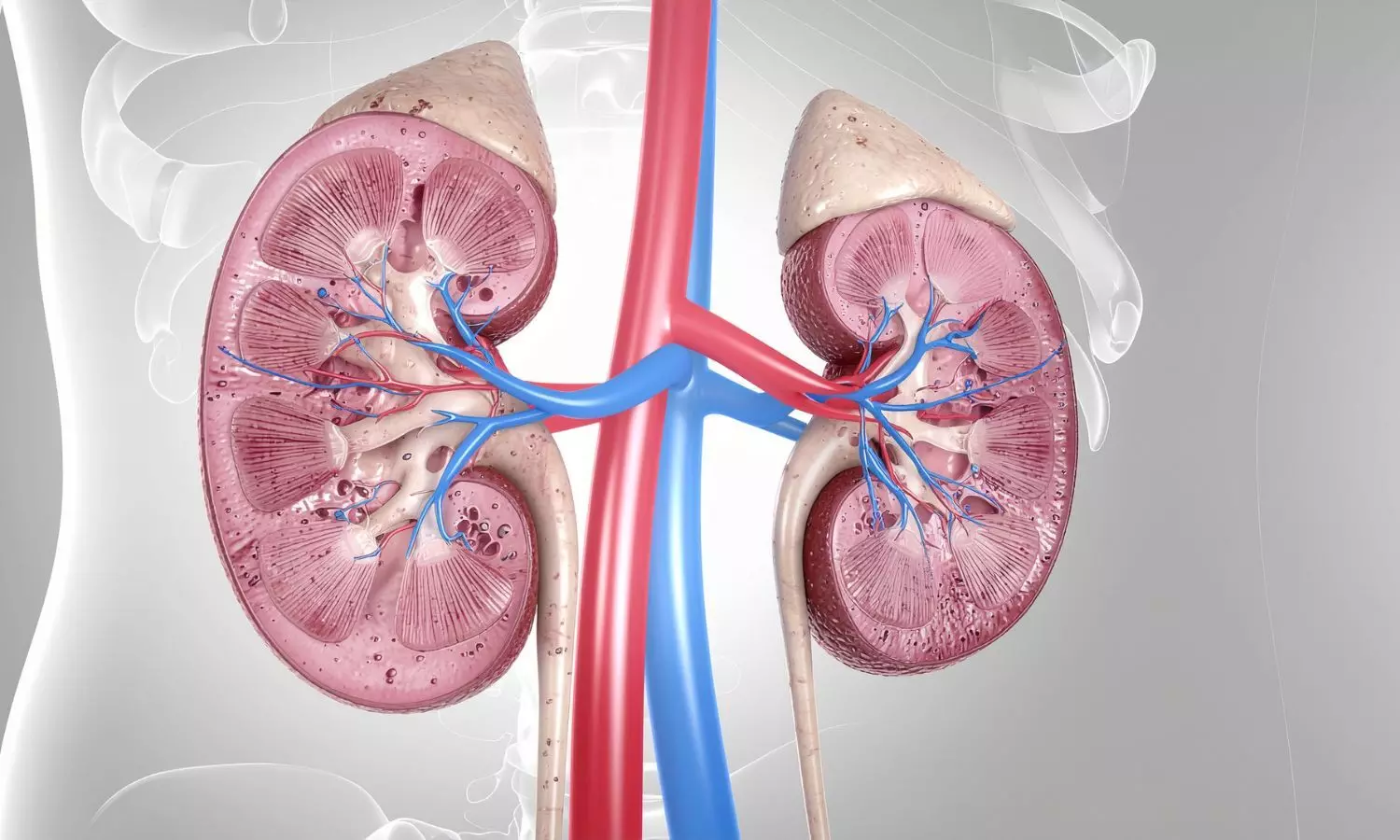


Results from a prospective study reveal that with standardized precautions, even high-risk patients may safely undergo a kidney biopsy, a cornerstone of kidney diagnostics that is often perceived as dangerous in certain vulnerable patient populations. The findings will be presented at ASN Kidney Week 2026 October 22–25.
The research involved the use of the ROCKY standardized protocol (Renal-biopsy Optimized Care and Knowledge Yielding safety), which combines structured checkpoints to maximize the diagnostic utility of a kidney biopsy while minimizing its associated risks, such as bleeding. Among 1,096 kidney biopsies performed in patients with predefined high-risk features, the ROCKY standardized protocol was associated with a very low rate of severe complications (0.8%), with no kidney removals or procedure-related deaths. Severe complication rates were not significantly different between inpatient and outpatient procedures. Furthermore, traditional factors that are considered high risk—including older age, impaired kidney function, antiplatelet or anticoagulant therapy-were not independently associated with severe complications. Diagnostic accuracy was achieved in all procedures.
“Kidney biopsy can be performed safely even in patients traditionally considered at increased procedural risk when undertaken within a rigorous, standardized pathway incorporating structured pre-biopsy assessment, risk-factor correction, ultrasound-guided biopsy, and systematic post-procedure monitoring,” said corresponding author Dario Roccatello, MD, PhD, of the University of Turin, in Italy. “Our findings may broaden access to kidney biopsy for patients who might otherwise be denied an important diagnostic and prognostic procedure because of age, kidney impairment, obesity, antithrombotic treatment, dialysis, or anatomical abnormalities. In addition, the comparable safety observed in outpatients supports expansion of outpatient biopsy programs with the potential to reduce unnecessary hospitalization and improve healthcare-resource utilization.”
Reference:
Standardized kidney biopsy protocol is safe in high-risk patients, American Society of Nephrology, Meeting: ASN Kidney Week.
