
Gene Therapy May Reduce Supportive Care Needs in Spinal Muscular Atrophy Type 1: JAMA
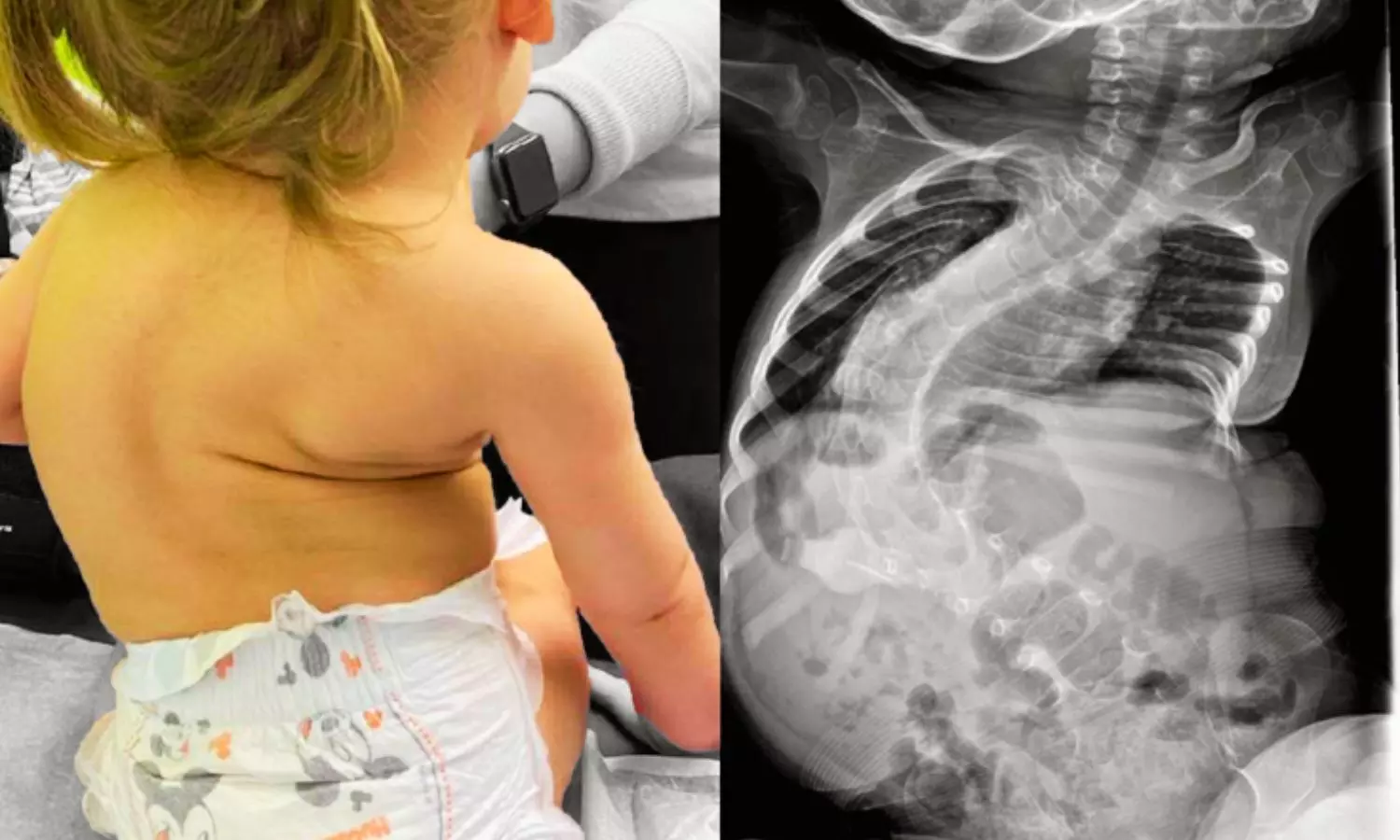


France: A comparative effectiveness study in children with spinal muscular atrophy type 1 (SMA1) has found that gene therapy was associated with a lower incidence of unplanned clinical requirements (UCR) and fewer supportive care needs compared with nusinersen. The findings support gene therapy as a potentially preferable treatment option, although larger studies are needed to confirm these exploratory results and guide treatment decisions.
The study was published in JAMA Network Open by Juliette Ropars, Reference Center for Neuromuscular Disorders, Pediatric Department, CHU Brest, Brest, France, and colleagues.
SMA1 is a severe genetic neuromuscular disorder characterised by progressive muscle weakness and difficulties with movement, breathing and swallowing. Although disease-modifying treatments have improved outcomes, comparative evidence is needed to help clinicians determine the most appropriate first-line therapy for affected children.
To investigate this, researchers compared nusinersen with onasemnogene abeparvovec, a gene therapy, using data from the French National SMA Registry collected between September 2016 and July 2024.
The analysis included children with genetically confirmed SMA1 who began either treatment within six months of diagnosis and had at least two years of follow-up. The researchers matched 24 children into 12 pairs based on age, baseline motor function, respiratory status, and nutritional status at treatment initiation.
The primary outcomes included respiratory and nutritional support requirements, motor function, and UCR, a composite measure encompassing death, treatment change or additional therapy due to inadequate response, initiation of feeding support, or failure to achieve independent sitting.
The analysis revealed the following findings:
- Unplanned clinical requirements: UCR occurred in 8 of 12 children (67%) receiving nusinersen, compared with 3 of 12 (25%) receiving gene therapy.
- Nutritional support: At two years, feeding support was required by 1 of 11 surviving children (9%) in the gene therapy group, compared with 5 of 10 (50%) receiving nusinersen.
- Respiratory support: Nocturnal ventilation was needed by 5 of 11 surviving children (45%) treated with gene therapy, compared with 8 of 10 (80%) receiving nusinersen.
- Motor function: Improvements in motor function were comparable between the groups, with no statistically significant difference in the change in Children’s Hospital of Philadelphia Infant Test of Neuromuscular Disorders (CHOP-INTEND) scores.
- Mortality: Three children died within the first year of treatment: one (8%) in the gene therapy group and two (17%) in the nusinersen group.
The findings suggest that gene therapy was associated with lower respiratory and nutritional support needs in children with symptomatic SMA1, while motor outcomes were comparable between treatments.
The study was limited by its small sample size, observational design, potential residual confounding, and differences in treatment periods. The findings may not apply to presymptomatic infants or other SMA subtypes.
The researchers concluded that gene therapy may reduce supportive care needs and UCR compared with nusinersen, but larger studies are needed to confirm these findings and guide treatment decisions.
Reference:
Ropars J, Cances C, Garcia-Uzquiano R, et al. Comparative Clinical Outcomes of Nusinersen and Gene Therapy in Spinal Muscular Atrophy Type 1. JAMA Netw Open. 2025;8(10):e2536348. doi:10.1001/jamanetworkopen.2025.36348

Next Story