Medical Dialogues
  • Dermatology
Login Register
This site is intended for healthcare professionals only
Login Register
  • MD Brand Connect
  • Webinars
  • Vaccine Hub
  • MDTV
    • Breaking News
    • Medical News Today
    • Health News Today
    • Latest
    • Journal Club
    • Medico Legal Update
    • Latest Webinars
    • MD Shorts
    • Health Dialogues
  • Fact Check
  • Health Dialogues
Medical Dialogues
  • Medical News & Guidelines
      • Anesthesiology
      • Cardiology and CTVS
      • Critical Care
      • Dentistry
      • Dermatology
      • Diabetes and Endocrinology
      • ENT
      • Gastroenterology
      • Medicine
      • Nephrology
      • Neurology
      • Obstretics-Gynaecology
      • Oncology
      • Ophthalmology
      • Orthopaedics
      • Pediatrics-Neonatology
      • Psychiatry
      • Pulmonology
      • Radiology
      • Surgery
      • Urology
      • Laboratory Medicine
      • Diet
      • Nursing
      • Paramedical
      • Physiotherapy
  • Health news
      • Doctor News
      • Government Policies
      • Hospital & Diagnostics
      • International Health News
      • Medical Organization News
      • Medico Legal News
      • NBE News
      • NMC News
  • Fact Check
      • Bone Health Fact Check
      • Brain Health Fact Check
      • Cancer Related Fact Check
      • Child Care Fact Check
      • Dental and oral health fact check
      • Diabetes and metabolic health fact check
      • Diet and Nutrition Fact Check
      • Eye and ENT Care Fact Check
      • Fitness fact check
      • Gut health fact check
      • Heart health fact check
      • Kidney health fact check
      • Medical education fact check
      • Men's health fact check
      • Respiratory fact check
      • Skin and hair care fact check
      • Vaccine and Immunization fact check
      • Women's health fact check
  • AYUSH
    • Ayurveda
    • Homeopathy
    • Siddha
    • Unani
    • Yoga
  • State News
      • Andaman and Nicobar Islands
      • Andhra Pradesh
      • Arunachal Pradesh
      • Assam
      • Bihar
      • Chandigarh
      • Chattisgarh
      • Dadra and Nagar Haveli
      • Daman and Diu
      • Delhi
      • Goa
      • Gujarat
      • Haryana
      • Himachal Pradesh
      • Jammu & Kashmir
      • Jharkhand
      • Karnataka
      • Kerala
      • Ladakh
      • Lakshadweep
      • Madhya Pradesh
      • Maharashtra
      • Manipur
      • Meghalaya
      • Mizoram
      • Nagaland
      • Odisha
      • Puducherry
      • Punjab
      • Rajasthan
      • Sikkim
      • Tamil Nadu
      • Telangana
      • Tripura
      • Uttar Pradesh
      • Uttrakhand
      • West Bengal
  • Medical Education
      • Ayush Education News
      • Dentistry Education News
      • Medical Admission News
      • Medical Colleges News
      • Medical Courses News
      • Medical Universities News
      • Nursing education News
      • Paramedical Education News
      • Study Abroad
  • Industry
      • Health Investment News
      • Health Startup News
      • Medical Devices News
      • Pharma News
      • Pharmacy Education News
      • AI and healthcare
      • Industry Perspective
  • MDTV
      • Health Dialogues MDTV
      • Health News today MDTV
      • Latest Videos MDTV
      • Latest Webinars MDTV
      • MD shorts MDTV
      • Medical News Today MDTV
      • Medico Legal Update MDTV
      • Top Videos MDTV
      • Health Perspectives MDTV
      • Journal Club MDTV
      • Medical Dialogues Show
This site is intended for healthcare professionals only
LoginRegister
Medical Dialogues
LoginRegister
  • Home
  • Medical news & Guidelines
    • Anesthesiology
    • Cardiology and CTVS
    • Critical Care
    • Dentistry
    • Dermatology
    • Diabetes and Endocrinology
    • ENT
    • Gastroenterology
    • Medicine
    • Nephrology
    • Neurology
    • Obstretics-Gynaecology
    • Oncology
    • Ophthalmology
    • Orthopaedics
    • Pediatrics-Neonatology
    • Psychiatry
    • Pulmonology
    • Radiology
    • Surgery
    • Urology
    • Laboratory Medicine
    • Diet
    • Nursing
    • Paramedical
    • Physiotherapy
  • Health news
    • Doctor News
    • Government Policies
    • Hospital & Diagnostics
    • International Health News
    • Medical Organization News
    • Medico Legal News
    • NBE News
    • NMC News
  • Fact Check
    • Bone Health Fact Check
    • Brain Health Fact Check
    • Cancer Related Fact Check
    • Child Care Fact Check
    • Dental and oral health fact check
    • Diabetes and metabolic health fact check
    • Diet and Nutrition Fact Check
    • Eye and ENT Care Fact Check
    • Fitness fact check
    • Gut health fact check
    • Heart health fact check
    • Kidney health fact check
    • Medical education fact check
    • Men's health fact check
    • Respiratory fact check
    • Skin and hair care fact check
    • Vaccine and Immunization fact check
    • Women's health fact check
  • AYUSH
    • Ayurveda
      • Ayurveda Giuidelines
      • Ayurveda News
      • Top Ayurveda News
    • Homeopathy
      • Homeopathy Guidelines
      • Homeopathy News
    • Siddha
      • Siddha Guidelines
      • Siddha News
    • Unani
      • Unani Guidelines
      • Unani News
    • Yoga
      • Yoga Guidelines
      • Yoga News
  • State News
    • Andaman and Nicobar Islands
    • Andhra Pradesh
    • Arunachal Pradesh
    • Assam
    • Bihar
    • Chandigarh
    • Chattisgarh
    • Dadra and Nagar Haveli
    • Daman and Diu
    • Delhi
    • Goa
    • Gujarat
    • Haryana
    • Himachal Pradesh
    • Jammu & Kashmir
    • Jharkhand
    • Karnataka
    • Kerala
    • Ladakh
    • Lakshadweep
    • Madhya Pradesh
    • Maharashtra
    • Manipur
    • Meghalaya
    • Mizoram
    • Nagaland
    • Odisha
    • Puducherry
    • Punjab
    • Rajasthan
    • Sikkim
    • Tamil Nadu
    • Telangana
    • Tripura
    • Uttar Pradesh
    • Uttrakhand
    • West Bengal
  • Medical Education
    • Ayush Education News
    • Dentistry Education News
    • Medical Admission News
    • Medical Colleges News
    • Medical Courses News
    • Medical Universities News
    • Nursing education News
    • Paramedical Education News
    • Study Abroad
  • Industry
    • Health Investment News
    • Health Startup News
    • Medical Devices News
    • Pharma News
      • CDSCO (Central Drugs Standard Control Organisation) News
    • Pharmacy Education News
    • AI and healthcare
    • Industry Perspective
  • Home
  • Neurology and Neurosurgery
  • Neurology & Neurosurgery News
  • Long-term exposure to...

Long-term exposure to air pollution linked to increased risk of Parkinson’s disease: Study

Written By : Dr. Kamal Kant Kohli Published On 2026-07-13T20:45:21+05:30  |  Updated On 13 July 2026 8:45 PM IST
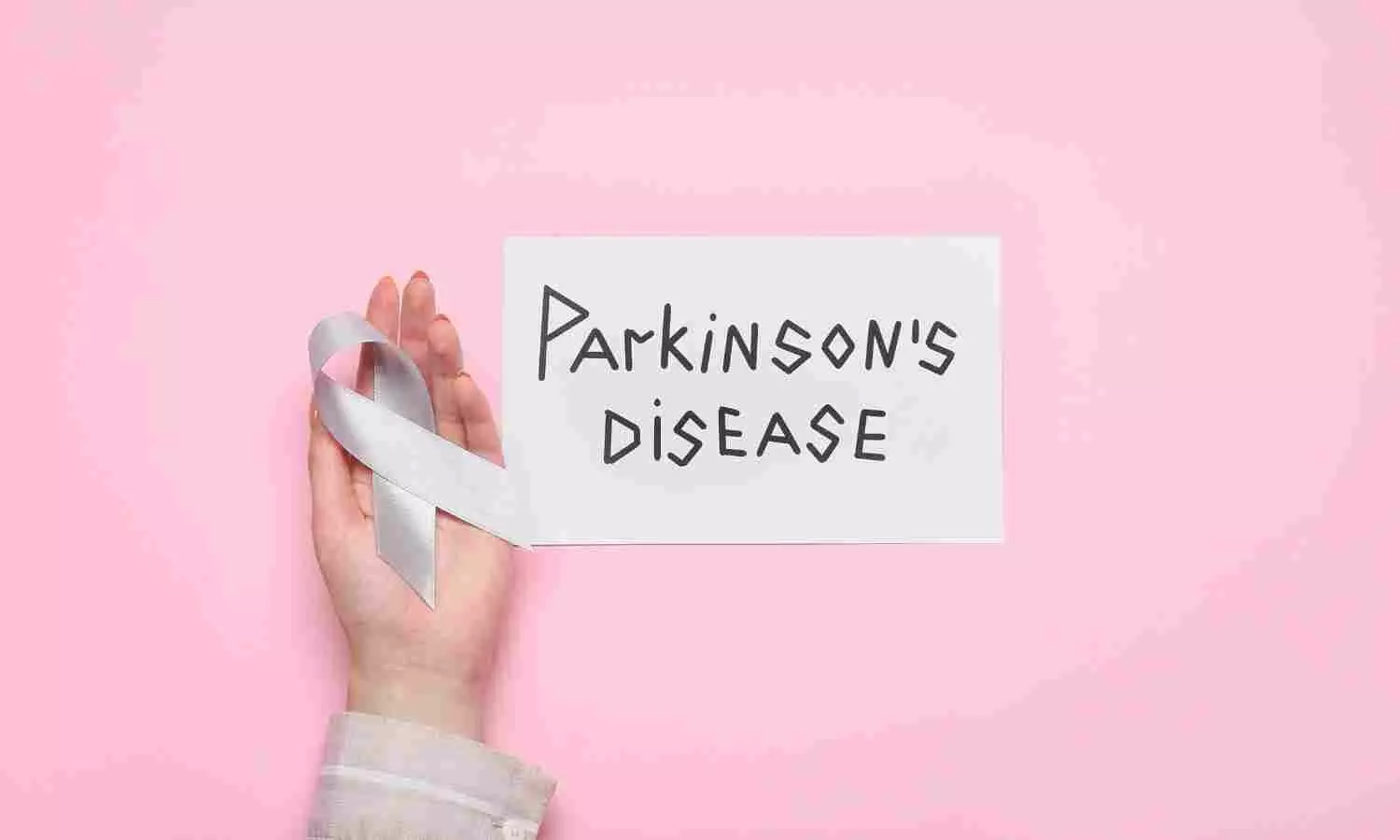
Parkinson’s disease
  • facebook
  • twitter
  • linkedin
  • whatsapp
  • Telegram
  • Email

Long-term exposure to certain types of air pollution is linked to an increased risk of Parkinson’s disease, Cambridge researchers have found in a critical review of the existing evidence.

Air pollution is a major public health issue, with long-term exposure to fine particulate matter linked with an increased risk of various diseases, including stroke and dementia. It has also been implicated in neurodegenerative diseases such as Parkinson’s disease, multiple sclerosis and motor neurone disease. However, studies have been underpowered and their findings are often inconsistent or inconclusive.

In a paper published in Environment International, researchers at IMS Epidemiology, University of Cambridge, carried out a systematic review and meta-analysis of existing scientific literature to examine these links further. This approach allowed them to bring together studies that on their own may not provide sufficient evidence, and which sometimes disagree with each other, to provide more robust overarching conclusions.

The analysis included 26 studies on Parkinson’s disease and three each for multiple sclerosis and motor neurone disease.

The team found two air pollutants that were associated with an increased risk of Parkinson’s disease, which affects approximately 6 million people worldwide:

• Particulate matter with a diameter of 2.5 microns or less (PM2.5): a pollutant made up of tiny particles small enough that they can be inhaled deep into the lungs. These particles come from several sources, including exhaust and non-exhaust vehicle emissions, power plants, industrial processes, wood burning stoves and fireplaces, and construction dust. They also form in the atmosphere because of complex chemical reactions involving other pollutants such as sulphur dioxide and nitrogen oxides. The particles can stay in the air for a long time and travel a long way from where they were produced.

• Particulate matter with a diameter of 10 microns or less (PM10): larger particles, but still small enough to be inhaled. These particles come from sources including dust from roads or construction, pollen and mould spores, vehicle emissions (especially from diesel engines), including non-exhaust emissions such brake and tyre wear, and industrial pollution.

According to the researchers, for every 5 micrograms per cubic metre (μg/m³) of PM2.5, an individual’s relative risk of Parkinson’s disease would increase by 10%. The average roadside measurement for PM2.5 in Central London in 2023 was 10 μg/m³.

For each 15 μg/m³ of PM10, the relative risk of Parkinson’s disease increased by 18%. The average roadside measurement for PM10 in Central London in 2023 was 17 μg/m³.

Evidence was inconclusive for a link between nitrogen dioxide (NO2), carbon monoxide (CO), sulphur dioxide (SO2), ozone and soot, largely due to the low number of research studies and their imprecision or a lack of consistency. Future research should assess these pollutants, and interaction between pollutants, when more evidence becomes available.

Similarly, the researchers found no evidence of a link between air pollution and either multiple sclerosis or motor neurone disease, but this may because there were so few studies in this area.

Dr Annalan Navaratnam, and Clinical Research Fellow at IMS Epidemiology, University of Cambridge, said: “There are still relatively few robust studies that explore the link between air pollution and Parkinson’s disease, but even so, it’s becoming clear that there is a link. We found evidence of a link with two types of pollutants in particular, but even though the evidence was inconclusive for other types, this may be down to how the studies were designed. We urgently need more research, in larger populations, to examine what is a significant public health issue.”

One possible explanation for the link between air pollution and Parkinson’s disease proposed by the researchers is that oxidative stress and neuroinflammation triggered by air pollution – especially PM2.5 – may interact with genetic susceptibility to the disease. In turn, this may lead to the abnormal build-up of the protein α‑synuclein and the loss of dopaminergic neurons, both are which are characteristic of Parkinson’s disease.

First author Alexandra Tien-Smith from IMS Epidemiology, Cambridge, added: “These findings add to a growing and strong body of evidence of the many adverse health impact of air pollution worldwide ranging from a wide variety of diseases across every human organ system to premature mortality.”

The research was partly funded by the European Research Council and the European Union’s Horizon 2020 Programme and Horizon Europe Framework Programme.

To help practitioners and policymakers tackle air pollution in their own regions and cities, Dr Haneen Khreis and colleagues have previously created an open-access interactive tool mapping the effectiveness of over 1,000 unique policy interventions to reduce traffic-related emissions and air pollution.

The interventions include congestion charging, urban transport planning, housing planning, mass transit development, active travel promotion, electric vehicles and low emissions zones, among others.

Dr Haneen Khreis, also from IMS Epidemiology, Cambridge, added: “The message is clear: we need to take action now to improve air quality and help reduce the global burden of disease.

“Our open access tool is intended to help researchers, practitioners, policymakers and third sector organisations understand the impact of different interventions on everything from traffic emissions and air pollution to human exposure, health impacts and unexpected co-benefits. We hope it aids and empowers those in a position to make a difference to implement effective and meaningful policies.”

The tool is the first peer-reviewed systematic evidence map to compile international evidence on urban-level policy interventions to reduce traffic emissions the context of human exposure and health effects, whilst also recording other important policy considerations such as enablers, barriers, and co-benefits. The researchers are currently developing this tool further to provide decision-makers with information on the financial investments required, economic benefits and costs, and greenhouse gas emission reductions achievable through the indexed policy interventions.

Reference:

Alexandra Z. Tien-Smith, Shazia Absar, Clare Best Rogowski, Veronica Phillips, Zorana Jovanovic Andersen, Christiaan Bredell, Kwan Wai Fung, Lucy Hong, Magdalena Szybka, James Woodcock, Carol Brayne, Haneen Khreis, Annalan M D Navaratnam, Association of long-term outdoor air pollution exposure with incidence of Parkinson’s disease, multiple sclerosis and motor neuron diseases: a systematic review and meta-analysis, Environment International, https://doi.org/10.1016/j.envint.2026.110377.

Environment Internationalair pollutionParkinson’s diseasestrokedementiamultiple sclerosis
Source : Environment International
Dr. Kamal Kant Kohli

Dr Kamal Kant Kohli-MBBS, DTCD- a chest specialist with more than 30 years of practice and a flair for writing clinical articles, Dr Kamal Kant Kohli joined Medical Dialogues as a Chief Editor of Medical News. Besides writing articles, as an editor, he proofreads and verifies all the medical content published on Medical Dialogues including those coming from journals, studies,medical conferences,guidelines etc. Email: drkohli@medicaldialogues.in. Contact no. 011-43720751

Show Full Article
Next Story

Editorial

Aspirin in Primary Prevention: Can Lipoprotein(a) Identify the Right Patient?

Aspirin in Primary Prevention: Can Lipoprotein(a) Identify the Right Patient?

Beta-Blocker Therapy in CAD: Insights from Indias Largest ROBUST Clinician Survey

Beta-Blocker Therapy in CAD: Insights from India's Largest ROBUST Clinician Survey

Revisiting PCOS as PMOS: Examining Metformins Metabolic Anchoring Role-Dr Chanchal Das

Revisiting PCOS as PMOS: Examining Metformin's Metabolic Anchoring Role-Dr Chanchal Das

Comparing Telmisartan Amlodipine FDC vs. Telmisartan Cilnidipine FDC in Indian Hypertensive Patients: Latest START RENAL 2026 Update

Comparing Telmisartan Amlodipine FDC vs. Telmisartan Cilnidipine FDC in Indian Hypertensive...

Dapagliflozin Metformin in T2D: Six Potential Benefits Beyond Glucose Lowering-Dr Setu Gupta

Dapagliflozin Metformin in T2D: Six Potential Benefits Beyond Glucose Lowering-Dr Setu Gupta

View All

Journal Club Today

Gallic Acid Explained: The New Antioxidant for Anti-Aging ft. Dermatologist Dr Tanvi Vaidya

Gallic Acid Explained: The New Antioxidant for Anti-Aging ft. Dermatologist Dr Tanvi Vaidya

View All

Health News Today

Health Bulletin 13/July/2026

Health Bulletin 13/July/2026

View All
© 2022 All Rights Reserved.
Powered By: Hocalwire
X
We use cookies for analytics, advertising and to improve our site. You agree to our use of cookies by continuing to use our site. To know more, see our Cookie Policy and Cookie Settings.Ok