
Mayo Clinic study shows AI can reveal brain tumor risks without costly genetic testing
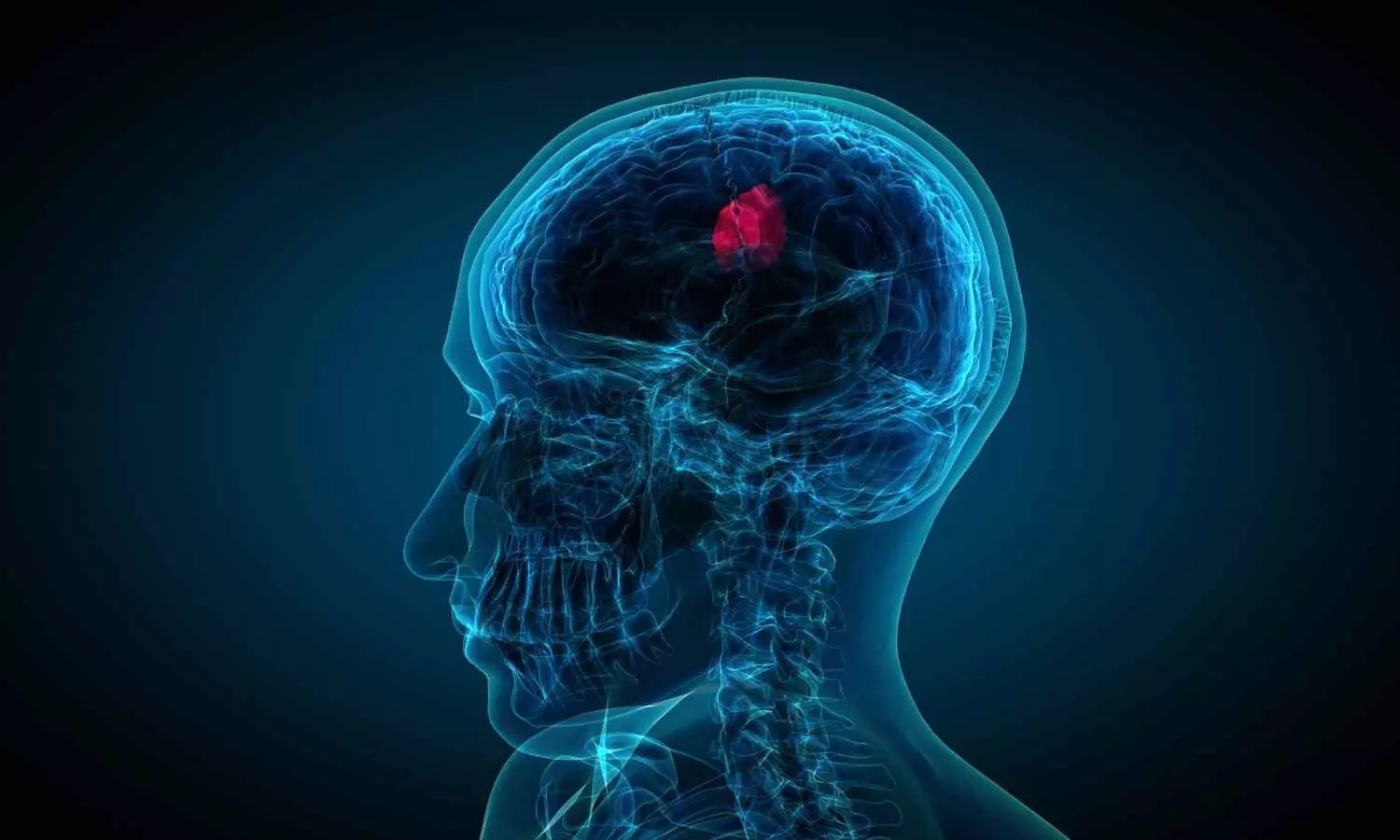


Mayo Clinic researchers and collaborators have shown that artificial intelligence (AI) can analyze routine pathology slides to help classify meningiomas, the most common primary brain tumor in adults, and predict a patient's risk of tumor recurrence.
The study, published in The Lancet Digital Health, demonstrates that deep learning models can extract molecular and prognostic information from standard hematoxylin and eosin, or H&E, slides — the same type of tissue images already used in routine clinical care. These insights are typically obtained through DNA methylation profiling, an advanced genetic test which provides valuable diagnostic and prognostic information but can be costly, time-consuming and is unavailable in many hospitals.
"This is one of the many studies where we can harness the strength of digital pathology by capturing the last two decades of genomic and molecular knowledge into AI algorithms," says Gelareh Zadeh, M.D., Ph.D., chair of the Department of Neurologic Surgery at Mayo Clinic in Rochester and the David C. and Flora C. Pratt Distinguished Chief Medical Officer for Mayo Clinic Platform.
Making advanced tumor insights more accessible
Meningiomas can vary widely in behavior. Some grow slowly and may never return after treatment, while others are more aggressive and more likely to recur. Understanding that risk is critical for patients and care teams deciding whether additional treatment, such as radiation therapy, may be needed after surgery.
Molecular testing can help identify which tumors are more likely to recur and which may respond differently to treatment. But these tests require specialized technology and expertise, limiting access for many patients.
Using tissue samples, pathology images and clinical data from 672 patients, researchers trained AI to uncover information about a tumor's biology. Drawing on multiple de-identified datasets, including data resources from Mayo Clinic Platform, the models were able to classify meningioma subtypes and predict recurrence risk using standard pathology slides that are already part of routine patient care.
The findings suggest that AI could one day help clinicians obtain more detailed tumor information without requiring patients to undergo advanced genetic testing.
Helping guide treatment decisions
For patients with meningiomas, recurrence risk can influence follow-up care, imaging frequency and whether radiation therapy should be considered. The study found that AI-based predictions remained useful even after accounting for traditional clinical factors such as tumor grade, the extent to which surgery was able to remove the tumor and patient age.
Researchers also found that the AI models could identify patterns of tumor heterogeneity — differences within the same tumor — that may help explain why some tumors behave more aggressively or respond differently to treatment.
The researchers note that additional prospective studies are needed before the AI models can be used routinely in clinical care. Still, they say the findings lay the groundwork for more accessible, personalized care for patients with meningiomas — and potentially for similar AI approaches in other cancers.
"The aim is to make these algorithms readily and simply accessible for use globally, improving patient care across many healthcare settings," says Dr. Zadeh.
