Traumatic Brain Injury May Reduce Accuracy of Alzheimer's Blood Tests: JAMA
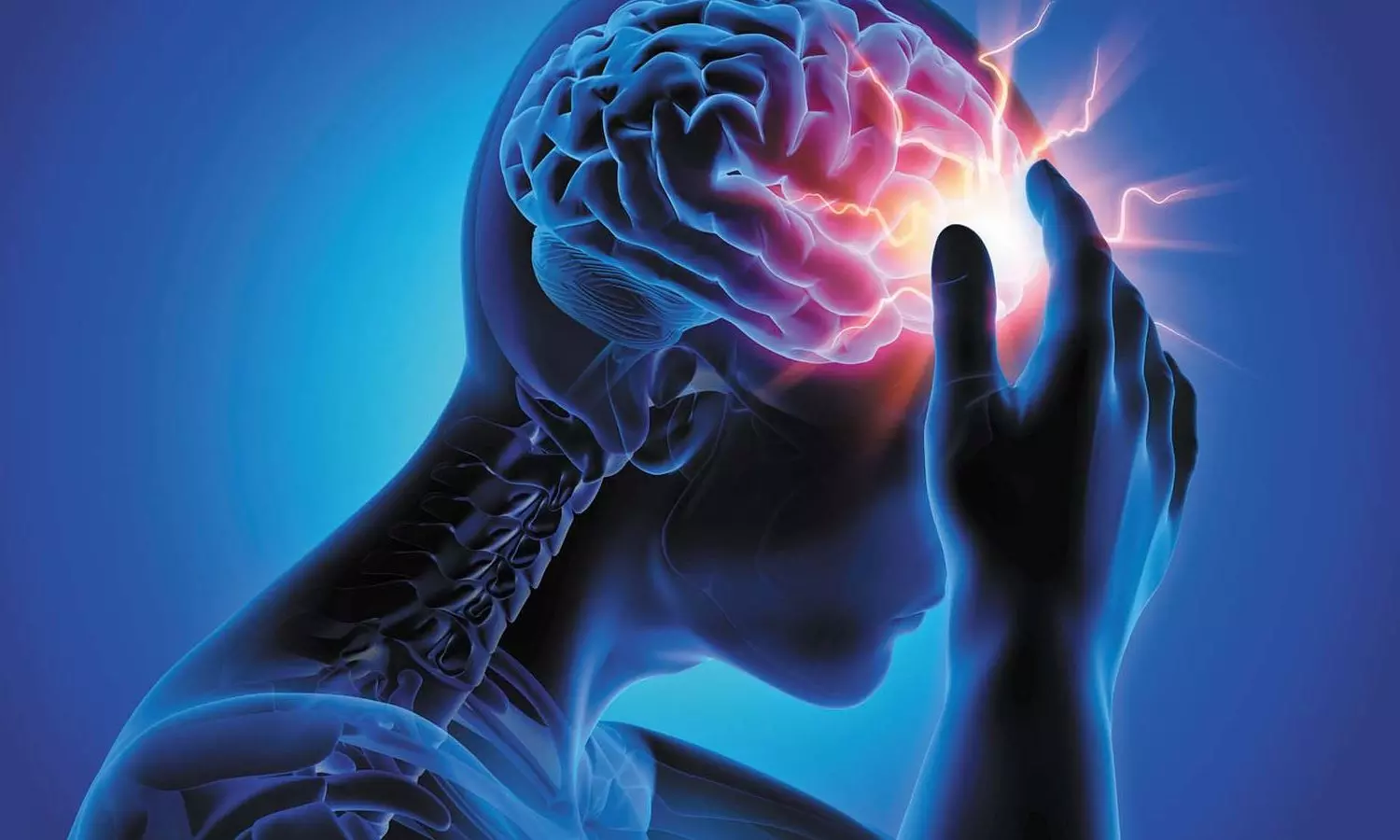


Researchers have found in a cross-sectional cohort study that a history and severity of traumatic brain injury (TBI) may affect the accuracy of blood-based tests used to predict brain amyloid positivity associated with Alzheimer's disease. Among cognitively unimpaired individuals and those with mild cognitive impairment who had a history of TBI, the p-tau217/Aβ42 ratio test failed to identify more than half of the cases that were positive on amyloid-PET imaging. These findings indicate that TBI may modify the diagnostic performance of Alzheimer's blood biomarkers, and clinicians should exercise caution when interpreting blood test results for Alzheimer's disease in patients with a history of traumatic brain injury. The study was published in JAMA Neurology by Yael R. and colleagues.
The researchers used previously generated data along with plasma samples banked through the specialized Alzheimer Disease Neuroimaging Initiative Department of Defense (ADNI-DOD) project. The multi-year window during which the veteran patients enrolled in the study occurred from 2013 to 2020, while the high-resolution plasma biomarker analyses laboratory procedures took place between 2024 to 2025, followed by the rigorous statistical data profiling conducted from July 2025 to February 2026. The study sample included only Vietnam War veterans that did not suffer from dementia and involved people who were cognitively unimpaired and mild cognitive impairment (MCI).
All participants had been subject to gold standard amyloid–positron emission tomography (PET) brain imaging and had corresponding plasma samples banked that could be automatically analyzed. The performance of the blood-based diagnostics was measured based on how well they matched the consensus visual read from the amyloid-PET imaging in three distinct veteran subgroups: those that did not have a history of TBI, those that suffered a TBI with short-term loss of consciousness (LOC) of 0-5 minutes and those that suffered a TBI with prolonged LOC of more than 5 minutes.
Key findings:
- For the basic participant set, the mean age was 70 ± 4.5 years, while the gender was overwhelmingly male, comprising 270 subjects or 99.3% of the total population.
- Of the 272 participants, precisely 83 veterans (30.5%) were positive for significant accumulation of brain amyloid on the gold standard PET scans.
- When it came to veterans with no head injury at all, the plasma p-tau217/Aβ2 ratio was able to reach the extremely high, reliable diagnosis rate of 90% (95% CI, 84%-96%).
- In veterans with TBI and loss of consciousness from 0 to 5 minutes, there was a dramatic drop in accuracy, falling to 78% (95% CI, 69%-87%; P = 0.03 versus non-injured veterans).
- For veterans with TBI and loss of consciousness over 5 minutes, the diagnostic ability fell even further, to the miserable level of 63% (95% CI, 53%-73%; P < 0.001 versus non-injured veterans), failing to diagnose more than half of cases of amyloidosis.
- These declines in diagnostic ability remained very stable even with the test for plasma p-tau217 only and for the individual plasma Aβ42/40 ratio.
To summarize, the results from the cross-sectional cohort study on the diagnostic test indicate that among patients with normal cognitive function or mild cognitive impairment and history of TBI, the p-tau217/Aβ42 ratio test is prone to missing more than half of amyloid-PET-positive cases. The interpretation of AD blood test results should be taken cautiously under such conditions. These compelling statistical data provide the essential evidence base for modern neuro-diagnostic research, showing that no one diagnostic threshold can ever apply to everyone.
Reference:
Rosen-Lang Y, Vrillon A, Pasternak S, et al. Prior Traumatic Brain Injury and Alzheimer Disease Blood Biomarkers. JAMA Neurol. Published online June 29, 2026. doi:10.1001/jamaneurol.2026.2042