
Use of head CT scans in ERs more than doubles over 15 years: Study
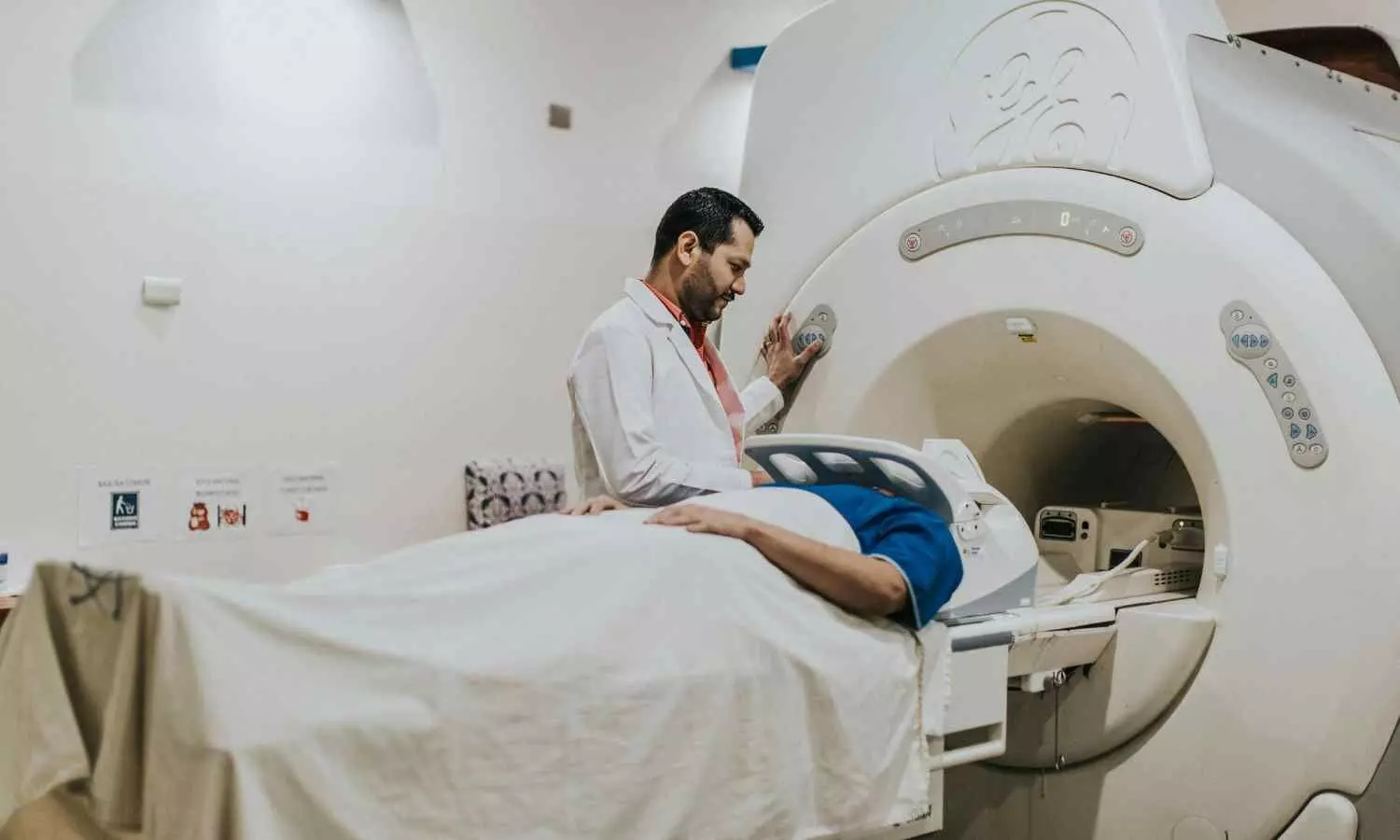


A new study shows large increases in the use of computed tomography (CT) scans of the head in emergency departments across the United States from 2007 to 2022. The study, which was published on November 19, 2025, in Neurology®, the medical journal of the American Academy of Neurology, also found disparities in use of head CTs by race, type of insurance and hospital location.
“Head CT scans are a critical tool for diagnosing neurological emergencies, but their growing use raises concerns about cost, radiation exposure and delays in the emergency department,” said study author Layne Dylla, MD, PhD, of Yale School of Medicine in New Haven, Connecticut. “It’s important to balance the benefits of these scans with the risks and costs.”
For some situations, CT scans are considered unnecessary, as guidelines have shown that the images add little value to diagnosis but bring additional costs and radiation exposure. However, in other situations, CT scans are critical for time-sensitive diagnoses and treatments.
The study looked at a national hospital database, with results weighted to provide national estimates. In 2007, 7.84 million head CT scans were performed in emergency departments across the country. By 2022, that number had more than doubled to 15.98 million scans. This was an increase from head CTs done in 6.7% of all emergency department visits to 10.3%.
After adjusting for other factors that could affect the use of CT scans, such as age and the reason people went to the hospital, researchers found that Black people were 10% less likely to receive a head CT scan than white people. People who were on Medicaid insurance were 18% less likely to receive a head CT scan than those who were on Medicare or private insurance. People who received care in a rural hospital were 24% less likely to receive a head CT scan than those in urban areas.
People 65 years old and older were six times more likely to receive a head CT scan than people younger than 18 years old.
“Overall, these results highlight the need for more equitable access to neuroimaging in emergency care and further evaluation of the appropriateness of every head CT according to clinical recommendations,” Dylla said. “It’s important to recognize the tension between underuse of scans, leading to missed diagnosis, and overuse, resulting in radiation exposure and additional financial and patient care strains on the health care system.”
A limitation of the study is that the database does not include detailed information such as the patient’s medical history and how long they have had symptoms and how severe the symptoms are, making it challenging to determine whether the head CT scan was medically appropriate, according to Dylla.
Reference:
Layne Dylla, Neeharika Krothapalli, Trends in Head CT Use in US Emergency Department Patients From 2007 to 2022 A Nationwide Analysis, Neurology, https://doi.org/10.1212/WNL.0000000000214347
