AP allows PG Ayurvedic doctors to perform 58 surgeries amid Allopathy-Ayurveda Row
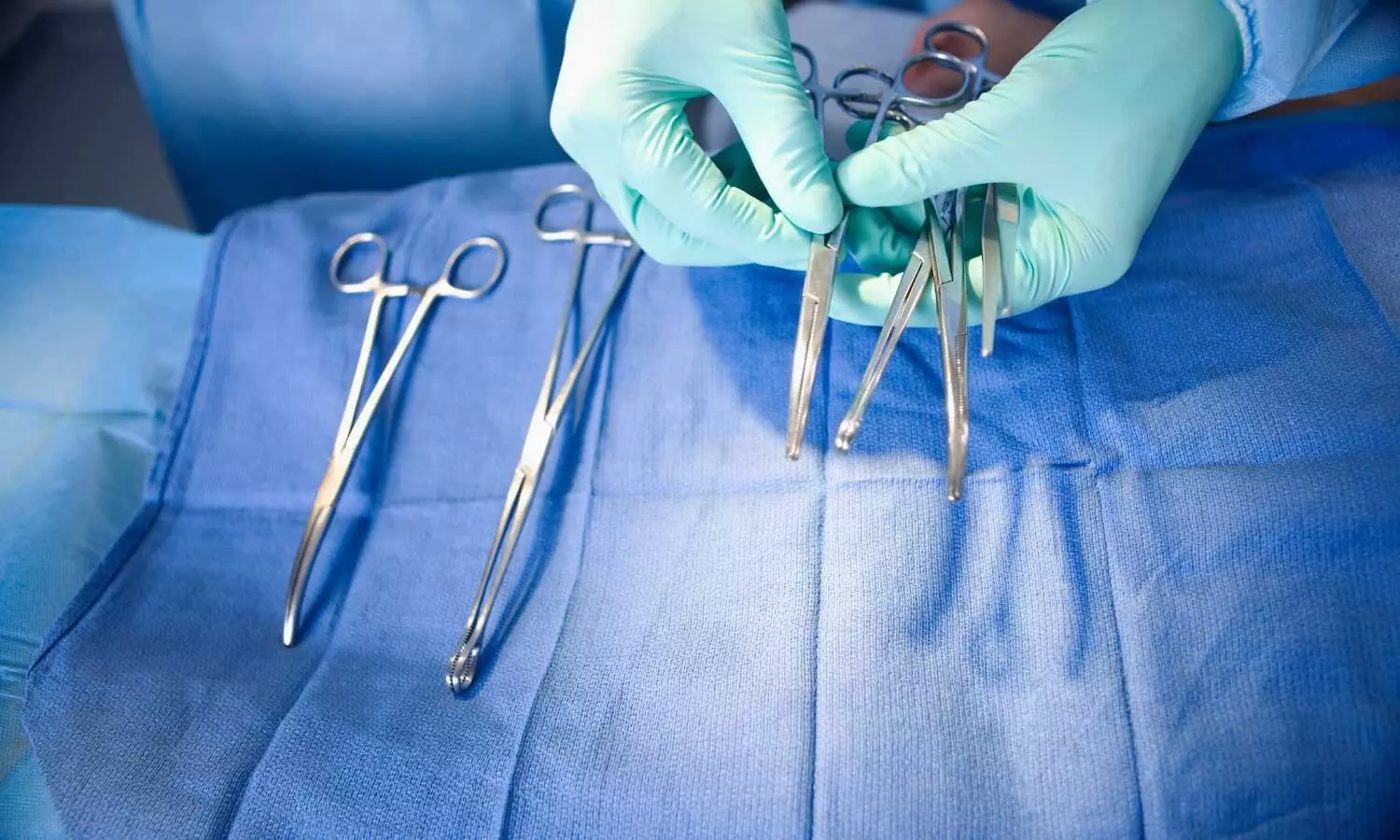


Amaravati: Amid strong opposition from sections of the medical community over mixing allopathy and Ayurveda, the Andhra Pradesh government has allowed postgraduate Ayurvedic doctors who have proper training to independently perform certain surgical procedures in the state.
Health Minister Satya Kumar Yadav on Tuesday approved the decision, aiming to integrate the traditional Indian system of medicine with modern medical practices. The permission has been granted in line with the Indian Medicine Central Council (IMCC) guidelines of 2020 and the norms laid down by the National Commission for Indian Systems of Medicine (NCISM).
With this move, eligible Ayurvedic doctors will be allowed to carry out a total of 58 surgical procedures. These procedures fall under two specialities, Shalya Tantra, which deals with general surgery, and Shalakya Tantra, which covers ENT, eye and dental procedures.
Also read- Ayurveda-Allopathy Fusion Faces Backlash, Doctors urge Govt to reconsider JIPMER plan
Under the Shalya Tantra, Ayurveda doctors are permitted to perform 39 general surgical procedures. These include wound debridement, abscess drainage, skin grafting, suturing, and the treatment of piles, fissures and fistulae. The list also covers hernia and hydrocele surgeries, urological procedures such as circumcision and cystolithotomy, trauma care including the reduction of fractures and dislocations, and abdominal emergencies such as appendicectomy, cholecystectomy and colostomy.
Under Shalakya Tantra, Ayurvedic practitioners are allowed to perform 19 ENT, eye and dental procedures. These include cataract and glaucoma surgeries, correction of eyelid and lacrimal disorders, septoplasty, nasal polyp removal, ear lobe repair, tonsillectomy, tooth extraction and cleft lip repair.
"Yadav approved post-graduate Ayurvedic doctors who are properly trained in surgery to independently undertake operations," mentioned the official press release as per PTI report.
The proposal allows the Ayurveda practitioners who have postgraduate qualifications in surgical disciplines and undergone prescribed training to undertake surgeries in line with national guidelines.
Meanwhile, Yadav held extensive discussions with Ayush Department director K Dinesh and others on the subsequent action plan.
Officials informed the minister that there are two private Ayurveda colleges in the state, in addition to Dr NRS Government Ayurvedic College in Vijayawada. Yadav directed them to immediately introduce post-graduate courses in the government Ayurveda college and take measures to impart quality education, along with the provision of necessary operation theatres, surgical instruments and others, the press release added.
Opposition from IMA
Following the announcement, the Indian Medical Association (IMA) strongly opposed the decision, saying it creates confusion between Ayurveda, other traditional systems of medicine, and modern medical practice.
Describing the decision as 'quackery', the association stated that it had previously objected to such a decision taken in other states. It noted that similar practices were implemented in Uttar Pradesh for the past two years.
In May 2025, the Union Government announced the launch of India's first MBBS-BAMS course at the Jawaharlal Institute of Postgraduate Medical Education and Research (JIPMER) in Puducherry to integrate allopathic and Ayurvedic medicine under one academic roof.
Condemning the attempts to mix MBBS and BAMS courses, the doctors had demanded the withdrawal of the integrated course plan at JIPMER. They had urged the National Medical Commission (NMC) and the Union Health Ministry to urgently look into the plans of setting up an institute for providing Integral Medical Education at Aurvoville Foundation and take necessary action in this regard.
Expressing concern about the health of the citizens due to these developments, the Indian Medical Association (IMA) also appealed to the nation to resist "this indiscretion for the health of future generations."
Medical Dialogues has been extensively reporting on the government’s initiatives towards the integration of modern medicine with Indian systems of medicine, along with the resulting backlash. Back in 2022, the National Medical Commission (NMC) made it mandatory for all medical colleges to have a "Department of Integrative Medicine Research."
In 2023, the apex medical regulator, while specifying the objectives of the foundation course of the MBBS curriculum, mentioned how the learners will be oriented to different aspects. These objectives included the orientation of the learners in the "Alternate health systems, i.e. AYUSH in India and the history of Medicine." Besides, the list of electives mentioned in the MBBS Curriculum also mentioned the "Indian System of Medicine."
The move immediately drew backlash from the medical fraternity, decrying mixopathy. They alleged that by including the Indian System of Medicine in the MBBS course, NMC has opened the doors for Mixopathy, and by the year 2030, India will only have Hybrid doctors.
Speaking to South First, Dr Dilip Bhanushali, president of the IMA, Telangana, said, "We are opposing the government on this issue. Unfortunately, the government is pushing this AYUSH proposal, and the Indian Medical Association is completely against it. We have been fighting this for many years now. We are not against Ayurveda, homeopathy, or Siddha. Ayurveda has existed for thousands of years, but we are asking the government to keep Ayurveda in its pure form. Why mix it with surgery? Surgery is not a simple skill. It takes nearly 10 years for a doctor to learn surgery properly."
Also read- Breaking: JIPMER to launch India's first integrated MBBS-BAMS course