Dr Seshagiri Rao Mallampati, Pioneer of Mallampati Score, Passes Away at 85
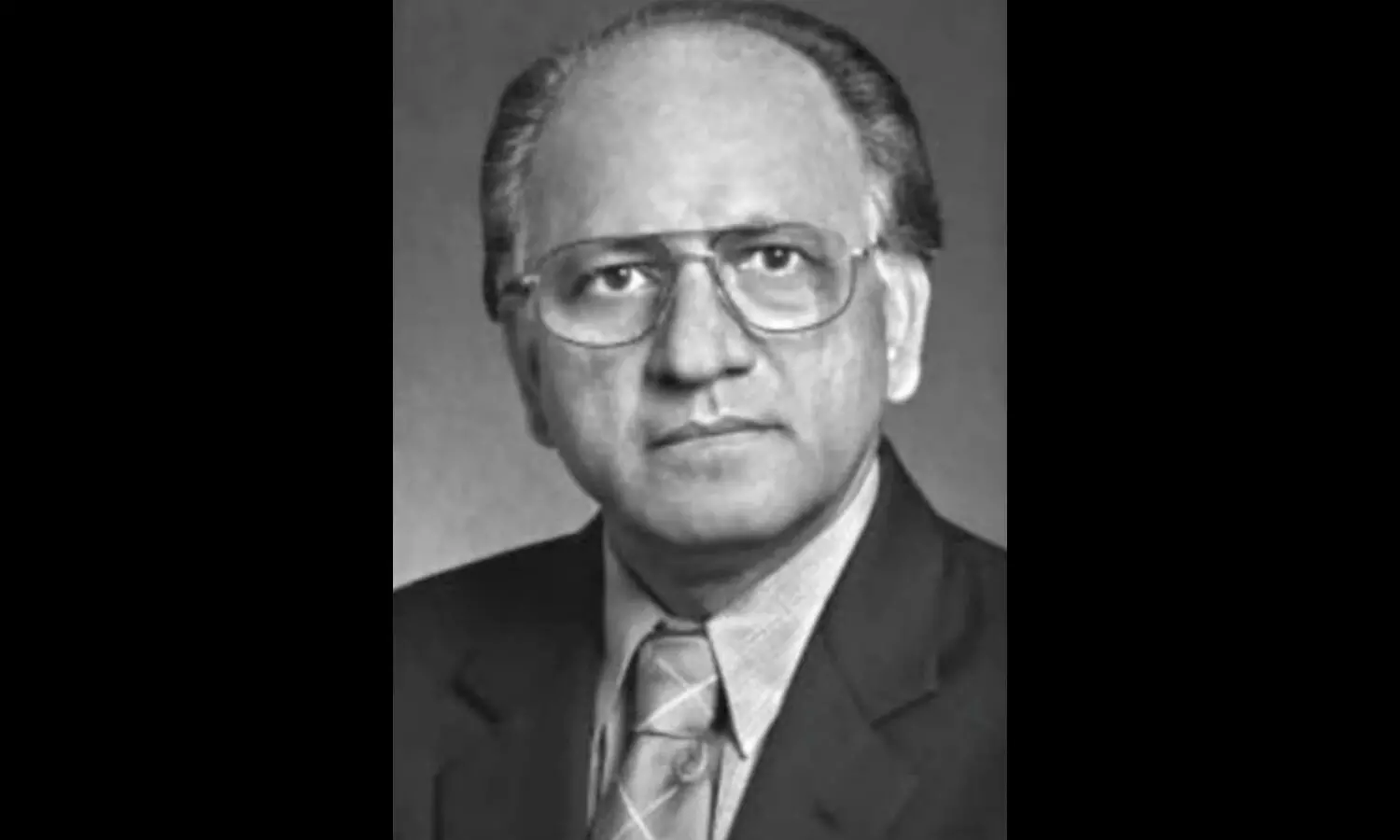
Dr. Seshagiri Rao Mallampati


Hyderabad: Dr. Seshagiri Rao Mallampati, the renowned Telugu anaesthesiologist who developed the life-saving Mallampati Score, passed away on February 9, 2026, in the United States at the age of 85, leaving the medical community in mourning.
Born in 1941 in the village of Patchalatadiparru in Andhra Pradesh’s Guntur District, Dr. Mallampati began his medical studies in 1963 and later transferred to Andhra Medical College, earning his MBBS degree in 1968.
Also Read:Dr Raseswari Panigrahi, Renowned gynaecologist and Former Sambalpur MLA, passes away
Dr. Mallampati’s most enduring contribution emerged from a moment of clinical challenge in 1975. During what was expected to be a routine Caesarean section, Dr. Mallampati encountered a patient who proved unexpectedly difficult to intubate. Although both mother and baby remained safe, the episode left a deep impression on him. He observed that the patient’s tongue was disproportionately large, obscuring the view of the airway despite her neck appearing normal.
At the time, there was no reliable bedside method to predict such “difficult airways” before administering anaesthesia. In 1985, he conducted a landmark study on 210 patients and introduced the concept of the ‘Mallampati Score’ or ‘Mallampati Test’. To this day, it remains a mandatory safety protocol in operating theatres that has saved countless lives. Essentially, the Mallampati score is a simple, non-invasive test, which involves asking patients to open their mouth and protrude their tongue, allowing doctors to predict the ‘difficult airway’ before the patient undergoes anaesthesia, reports Telangana Today.
Originally consisting of three classes, the system was later refined into the widely adopted four-class classification used today. From small nursing homes in Hyderabad to some of the world’s most advanced surgical centres, the Mallampati Score has become a mandatory safety protocol in operating theatres.
Also Read:Udupi's 5-rupee doctor, Dr K P Shetty, passes away at 77