Karnataka Govt approves six-month ultrasonography training for MBBS doctors
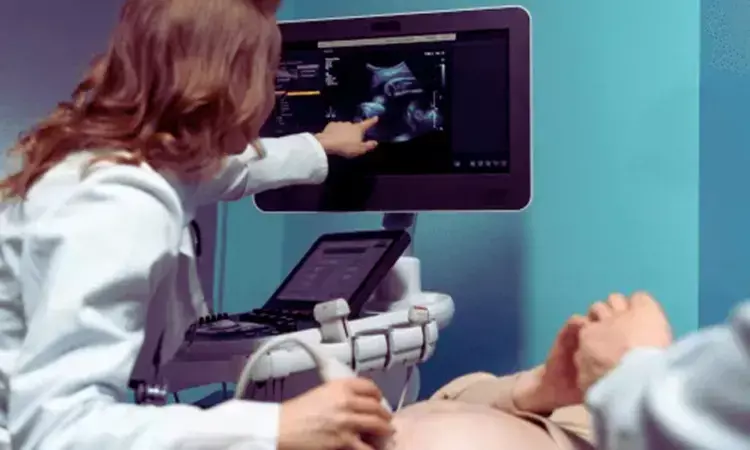


Bengaluru: In an effort to improve maternal and child health services, the Karnataka government has approved a new six-month ultrasonography training programme for in-service MBBS doctors working under the State Health Department. The initiative aims to strengthen diagnostic capacity at district and taluk-level hospitals, where access to imaging remains limited.
The decision comes amid an acute shortage of radiologists, which has directly impacted timely antenatal and postnatal care, particularly in peripheral government hospitals. In order to fill this gap, the State has also approved the creation of 114 new radiologist posts. At present, only 75 radiologists are sanctioned across 189 public health facilities, including 148 taluk hospitals and 41 community health centres (CHCs).

According to The Hindu, the ultrasonography training will be conducted strictly in compliance with the PC & PNDT Act and the Pre-Conception and Pre-Natal Diagnostic Techniques (Training) Rules, 2014. The initiative aims to enable trained MBBS doctors to support maternal diagnostics in facilities where radiologists are unavailable, while staying within the legal framework.
The government has identified 11 hospitals across Karnataka as training centres. These include K.C. General Hospital and Jayanagar General Hospital in Bengaluru, Lady Goschen Hospital and Wenlock Hospital in Mangaluru, Chigateri District Hospital in Davanagere, and district hospitals in Chikkaballapur, Dharwad, Tumakuru, Vijayapura, Ballari, Kolar and Bagalkot.
Under the programme, 69 in-service MBBS doctors will be trained by 23 faculty members, maintaining a teacher-student ratio of 1:3. Only doctors currently working in government service will be eligible. As per the programme, those who complete the training will be required to offer ultrasonography services exclusively in government hospitals, ensuring that public healthcare facilities directly benefit from the skill enhancement.
In order to prevent disruption of routine healthcare services during the training period, district health officers have been instructed to appoint contractual doctors to temporarily fill in for those undergoing training.
Alongside this initiative, the Health Department is also working on rationalising the deployment of specialists under the Mother and Child Health (MCH) triad—gynaecologists, anaesthetists and paediatricians—across taluk hospitals and CHCs. The objective is to ensure that these facilities function as Comprehensive Emergency Obstetric and Newborn Care (CEmONC) centres, capable of handling complicated deliveries, caesarean sections and neonatal emergencies round the clock.
Explaining the broader strategy, speaking to The Hindu, Health Minister Dinesh Gundu Rao said that the government is introducing a rotational “double triad” system to ensure 24/7 availability of specialists. He noted that this approach would reduce avoidable referrals to tertiary hospitals, where delays in treatment often result in adverse maternal and neonatal outcomes.