NHRC issues notice to NMC, Health Ministry over 24-72 hour long duty hours for PwD PG medicos
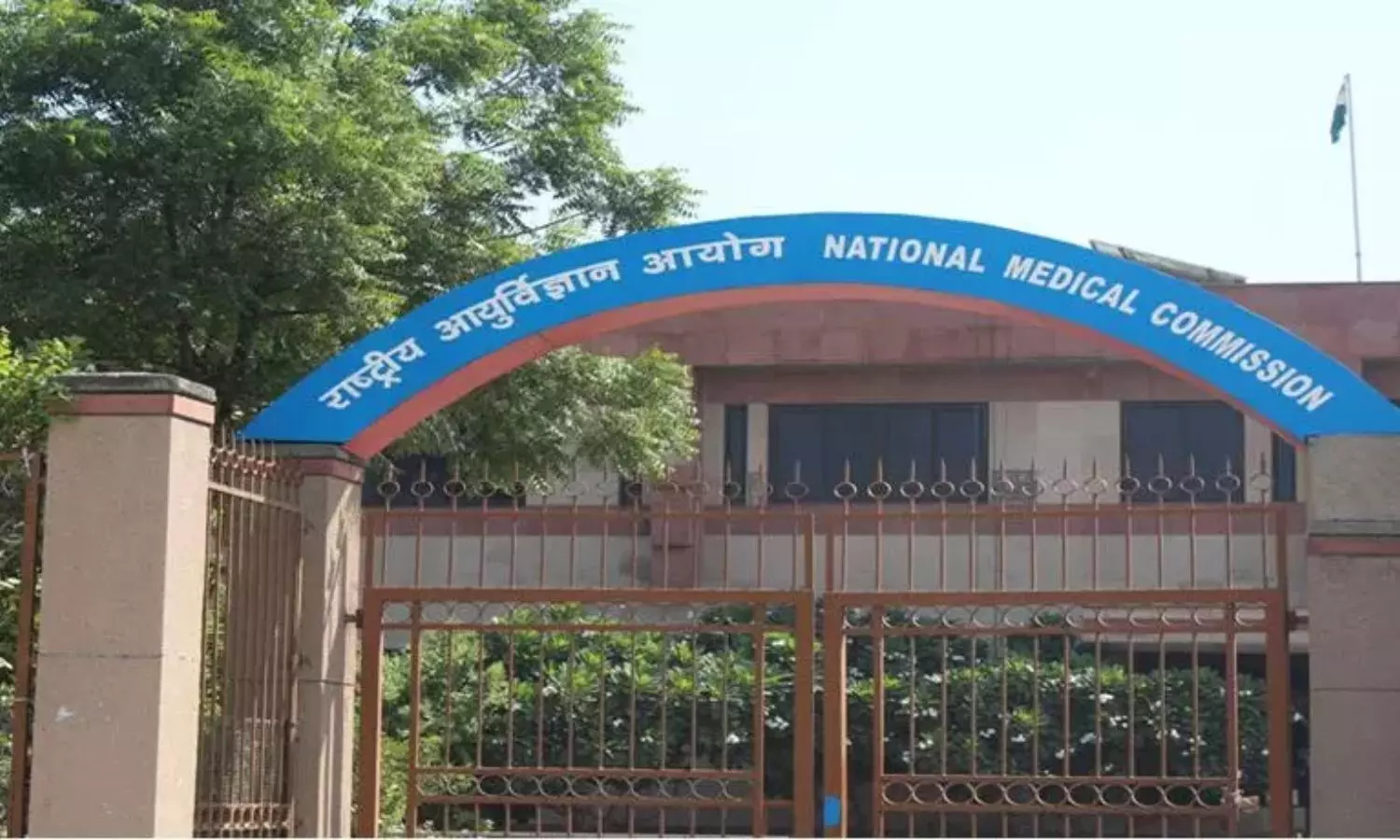
National Medical Commission


New Delhi: Taking cognisance of a complaint alleging inhumane duty hours for PwD medical students, the National Human Rights Commission (NHRC) has issued a notice to the National Medical Commission (NMC) and the Union Ministry of Health and Family Welfare.
The complaint before NHRC has been filed by Dr. Lakshya Mittal, the Chairperson of the United Doctors Front, who highlighted 24-72 hour shifts, violation of the Uniform Central Residency Scheme, 1992, and lack of reasonable accommodation. Filing the complaint, Dr. Mittal has sought strict implementation of the norms with mandatory weekly offs.
On 13.07.2025, the complaint was filed before the NHRC alleging that postgraduate medical students, particularly Persons with Disabilities (PwD) are subjected to inhumane and unregulated duty hours of 24-36 hours, sometimes up to 72 hours, in violation of the Uniform Central Residency Scheme 1992 and the Postgraduate Medical Education Regulations (PGMER) Guidelines, 2023 of NMC. The complainant alleged that despite provisions for reasonable hours, weekly offs, and leave, these rules are widely ignored by the medical colleges.
"...unfortunately the guidelines of either Uniform Residency Scheme or PGMER 2023 are totally and fully violated by medical college management with the passive silence of the National Medical Commission. Despite a lot of suicides and drop outs none changed on the ground. Despite MoH&FW notification in 1992, no college seems to comply with these orders and squeeze the post graduate students from 24 to 36-hours his irrational and undefined duty hours followed by the medical colleges is a sheer violation of fundamental rights under article 21 & 42 of our constitution that ensure the right to life with dignity and right to have just and humane conditions of work," the complaint stated.
Dr. Mittal further alleged in the complaint that due to such excessive workload, the PG medicos are dealing with severe mental and physical stress, suicides, and dropouts, as also noted by the NMC's National Task Force (2024).
PwD students are disproportionately affected due to lack of reasonable accommodation, poor infrastructure, weak grievance mechanisms, and violation of the Rights of Persons with Disabilities Act, 2016, despite the Ministry of Social Justice & Empowerment’s letter dated 02.07.2025, alleged the complaint.
Highlighting the challenges faced by the PG medical students with Disabilities (PwD category), the complaint mentioned that the clinical workload is physically demanding and the schedules are rigid. It further mentioned that the PG medical students with disabilities may face subtle or overt forms of harassment and discrimination from peers, faculty, or hospital staff. It also expressed concern regarding social stigma and negative attitudes, lack of institutional support and reasonable accoommodation, and inadequate mentorshit and peer support.
Accordingly, Dr. Mittal prayed that the NHRC directs NMC to strictly implement the Uniform Residency Scheme, 1992 and implement duty hours as prescribed in the 1992 scheme in all institutions especially for suffering PwD students.
Further, it prayed to the Commission to amend Section 5.2(ii) of the PGMER 2023 guidelines to include specific, enforceable limits on duty hours (e.g., 8 hours/day, maximum 48 hours / week, mandatory weekly off) in line with uniform central residency scheme 1992 with an emphasis on PwD students. Dr. Mittal has also urged the NHRC to commission a fact-finding study in collaboration with MoHFW and NMC to examine ragging, bullying, discrimination, suicides and dropouts among PG students from PwD background.
"Prevail upon NMC to constitute a third party independent monitoring body for compliance of duty hours of PwD post graduate medical students and to take strict punitive measures for any violations thereon by the way of fine, de promotion, suspension & termination of the appropriate official responsible for compliance," it also prayed.
Taking cognisance of the complaint, NHRC has forwarded the same to the Chairman of NMC, Union Health Ministry and asked it to make an inquiry and submit a report within 2 weeks.
"In view of the above, the Commission is of the considered view that the allegations levelled in the complaint are serious violations of the Human Rights of the victims. Accordingly, the Registry is directed to send a copy of the complaint to the Chairman, National Medical Commission, Ministry of Health and Family Welfare to make an inquiry and submit the report expeditiously within a period of 2 weeks," NHRC directed.
Commenting on the matter, Dr. Lakshya Mittal, the Chairperson of UDF, told Medical Dialogues, "Taking note of the matter, the Commission stated that the allegations constitute "serious violations of the Human Rights of the victims." The NHRC Registry has been directed to forward a copy of the complaint to the Chairman, NMC, and the Ministry of Health and Family Welfare for inquiry. The Commission has sought an Action Taken Report from both authorities within 2 weeks from the date of receipt of the notice. UDF has thanked the NHRC and requested the concerned officials to take necessary action."
NMC's Stand:
UDF has already filed a plea before the Supreme Court seeking direction to all government and private medical colleges/institutions in India to implement 48-hours residency duty hours, as prescribed in the Ministry of Health & Family Welfare's Directive dated 05 June 1992.
Responding to the plea, the counsel for NMC submitted "every institution faces diverse local constraints or realitiesincluding patient load, human resource constraints, and specialty-specific requirements and therefore, rather than imposing a rigid numerical limit that may compromise patient care and training, NMC deliberately intended to use the terms 'reasonable working hours' and 'reasonable time for rest' in its regulations."
This is why NMC has consciously incorporated the term 'reasonable working hours' and 'reasonable time for rest' in the PGMER, 2023, thereby allowing the college authorities/institutions, being the final implementation authorities; to adapt their schedules to local realities while still maintaining a humane working conditions in institutions for medical students and resident doctors, submitted the Commission.
Further, the Commission mentioned that the members of the National Task Force on Mental Health and Well-being of Medical Students, 2024 visited various medical colleges, engaging directly with administrators and heads of departments through focused group discussions (FGDs) to understand their best practices and challenges in supporting students' mental health.
It also conducted an online survey aimed at understanding the mental health and well-being of undergraduate (UG) and postgraduate (PG) medical students, as well as faculty members of medical collegesto gather comprehensive insights into the various challenges faced by medical students in their academic and personal lives.
NMC noted that 'long and multiple 24-hour duties' was reported as one of the factors leading to mental health issues in PG students across India. In response to the issue relating to the long duty hours, the Task Force recommended- "The National Task Force recommends, based on feasibility, . resources, and relevance. that residents work no more than 74 hours per week, with no more than 24 hours at a stretch. This schedule includes one day off per week, one 24-hour duty, and 10-hour shifts for the remaining fi,ve days. It is also important for medical students to sleep at least 7-8 hours per day for optimal mental and physical health. Department Heads {HOD), faculty members, senior residents, and Junior Residents (JRs} can collaboratively plan duty hours and roster the duty , into three shifts, or two shifts, or one shift based on human resource availability. Additionally, strict adherence to the National Medical Commission (NMCJ regulations for a weekly one-day off is crucial. Implementing these measures, where feasible. will help protect the health of medical students and improve patient safety. It is imperative to recognize that post-graduates and interns primarily serve educational purposes rather than filling gaps in healthcare staffing."
Referring to this, NMC submitted before the Apex Court that it has taken all the possible steps and measures to frame regulations and to assess the implementation of the same for effective compliance of the Residency Scheme of 1992. Therefore, the responsibility lies with the college authorities/institutions to implement and duly comply with the Residency Scheme of 1992, submitted the Commission.
NMC added that the issue was also raised before the parliament, where the Union Government has repeatedly clarified that Health and Hospitals is a State List subject under the Constitution of India. Therefore, the state governments are empowered to make and ensure implementation of laws relating to public health and hospitals, including working hours of doctors within their jurisdiction.
"The aim of NMC is to make medical education more accessible, affordable, high-quality while also ensuring presence of a sufficient number of skilled medical professionals in India. The service condition of the Resident Doctors including duty hours, rosters, shift length, rest periods, and work environmentfall solely within the administrative control of State Governments, college authorities and hospital administrations," NMC submitted.
"...the Government is empowered to frame policies and directives for working and service conditions of the Resident Doctors. NMC being an academic regulator, incorporate and issues broad rules and regulations Lo operationalize the government policies. The college autbo:dties serve as a final implementing authorities and are responsible for complying with the said policies, rules and regulations on the basis of their respective patient load, available faculty, and department-wise exigencies. That NMC's role is to ensure the standard of 'reasonableness; is maintained.In case any college authority /institute fail lo comply with the said policies and directives, then accountability lies with the institution," it added.
Also Read: Doctors move Supreme Court against 'inhuman' working hours for resident doctors