Punjab and Haryana HC dismisses orthopaedic surgeon's plea; no absolute right to appear in person
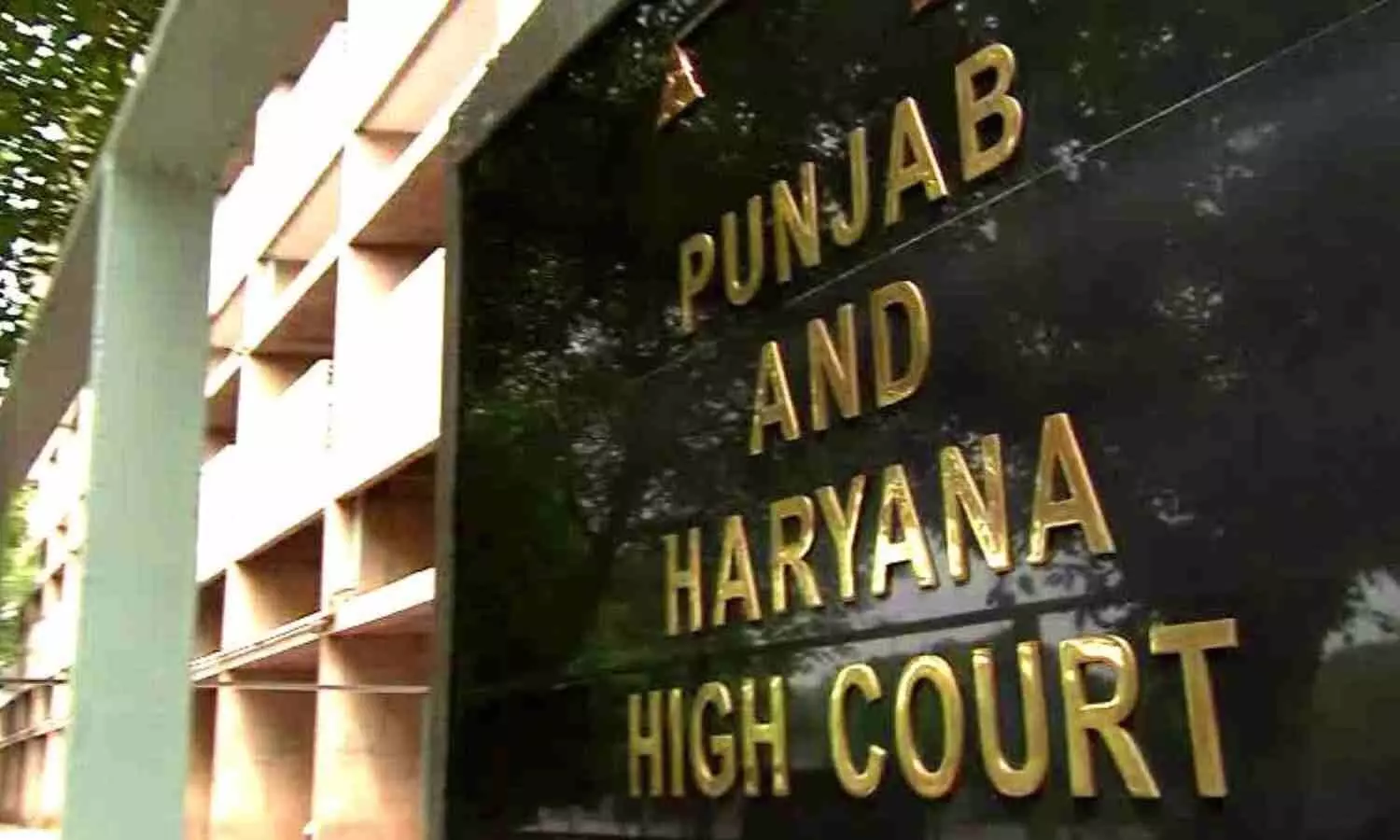


Jind: A specialist orthopaedic surgeon’s attempt to personally argue his case before a trial court has led to a significant ruling from the Punjab and Haryana High Court, which has clarified that professional expertise does not automatically grant a right of audience in court. The case has also led to the possibility of criminal contempt proceedings against him.
Dismissing the doctor’s plea against a magistrate’s order directing him to appear only through an advocate, the Court made it clear that excellence in one’s field does not translate into an indefeasible legal entitlement. The Court observed that being a highly qualified specialist orthopaedic surgeon does not grant an absolute right to represent oneself in court proceedings.

The case arose after a Judicial Magistrate in Jind directed the doctor to make “any future appearance in the matter only through an advocate.” Challenging this direction, the doctor approached the High Court, alleging misconduct and bias on the part of the magistrate. However, the High Court not only upheld the magistrate’s order but also criticised the nature of the allegations levelled in the petition.
As reported by The Tribune, the High Court held that the petition was driven by “whims and fancies” and contained scandalous and unsubstantiated allegations against the Judicial Magistrate First Class. Justice Sanjay Vashisth observed that the doctor had levelled serious accusations such as judicial misconduct, systematic targeting, malice, biased attitude, pre-set mind, illegal acts and tampering of judicial records, without placing cogent material on record.
The Court further clarified that professional stature does not translate into a right of audience before a court of law. Addressing the petitioner’s standing as a medical specialist, the Court stated, “The petitioner may be very good in his own profession, i.e. being a doctor and a specialist orthopaedic surgeon. But it does not mean that he is having an absolute or indefeasible right and permanent entitlement that cannot be annulled, revoked, or voided by any Court of law. The position of law as regard the power of Court to permit appearances in particular cases is well defined.”
While commenting on the broader principle of self-representation, the Court stated, “A litigant/party has no indefeasible right to appear on his/her own before a Court, and it is within the discretion of such Court to grant or not to grant permission to such litigant to appear on his own.”
The Court further emphasised that even if a litigant insists on arguing personally, “The Court is duty bound to impart justice and the Court may override that refusal, especially if the case risks being mishandled or prejudiced.” In criminal cases, the Court noted, it can appoint counsel for its own assistance to ensure proceedings remain “fair, legally sound, and not hindered by lack of expertise or cooperation.”
During the proceedings, Justice Vashisth expressed astonishment at the pleadings, noting that “without there being any substance or cogent evidence/material, the petitioner has raised serious allegations/imputations” using phrases such as “pre-set mind”, “actuated with malice”, “framing of false records”, and “systematic and planned targeting of the petitioner”.
The record showed that out of 38 cases involving the doctor, only nine had been handled by the concerned magistrate, five of which were still pending. The High Court noted that dismissal of a complaint under Section 138 of the NI Act, dismissal of a civil suit, issuance of a show-cause notice over an email seeking exemption from appearance, and the impugned order dated May 15, 2025, did not substantiate the grave allegations made.
“This Court finds no substance in the averments and truth in the allegations made by the petitioner against the magistrate. The magistrate has rightly exercised his discretion,” Justice Vashisth held.
The Court also raised the issue of possible criminal contempt. Referring to former Chief Justice of India M. Hidayatullah, it quoted, “The good faith of judges is the firm bed-rock on which any system of administration securely rests, and an attempt to shake the people’s confidence in the courts is to strike at the very root of our system of democracy.”
The High Court observed that when judicial authority is undermined, judges must act “not for their personal protection, but to uphold the dignity and credibility of the institution”. It concluded that the language used in the petition and affidavit appeared intended to scandalise the court, create distrust among the public, and obstruct the administration of justice. The matter has been directed to be placed before the Chief Justice for considering the initiation of criminal contempt proceedings under the Contempt of Courts Act.