Research Is Not a Sprint, It Is a Lifelong Marathon: Dr Raju Vaishya on Four Decades of Academic Excellence
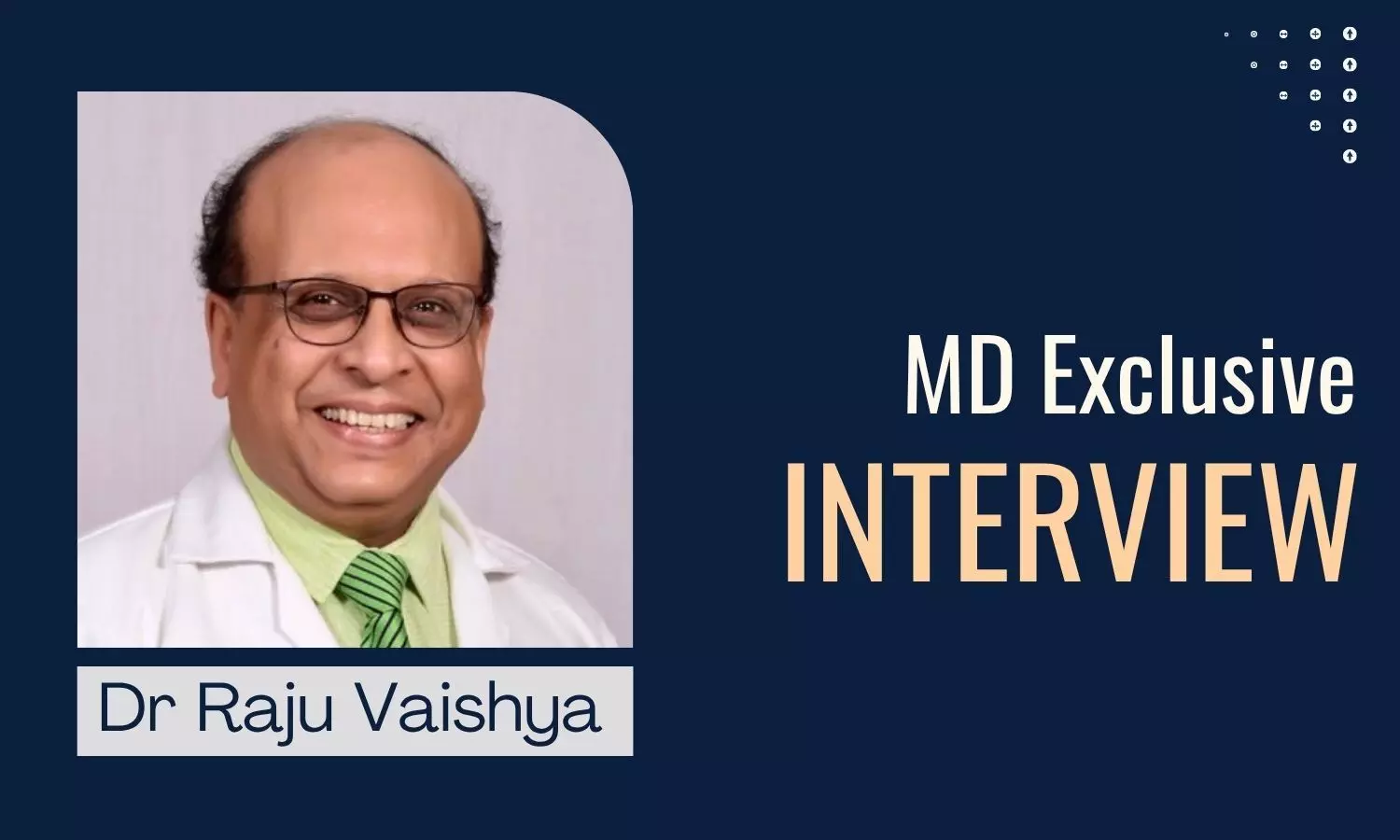


New Delhi: Dr Raju Vaishya, Sr. Consultant Orthopaedic Surgeon at Indraprastha Apollo Hospitals, New Delhi, is one of India's most prolific orthopaedic surgeon-scientists. He has recently crossed the milestone of 1,000 scholarly publications and built a collaborative network involving more than 600 co-authors across over 40 countries.
Over four decades, his work has evolved from clinical orthopaedics and arthroplasty to include artificial intelligence (AI), bibliometrics, research integrity, and healthcare innovation. In this exclusive interview with Medical Dialogues, he reflects on his academic journey, research philosophy, and the future of medical scholarship.
• Congratulations on this remarkable milestone. How do you look back on your research journey spanning four decades?
- Thank you. When I started my academic career, research was largely driven by clinical curiosity. My early work focused on orthopaedics, trauma, and joint replacement surgery. Over time, I realized that research is not merely about publishing papers but about contributing to better patient care and advancing knowledge. Looking back, I feel fortunate to have participated in an extraordinary period of medical progress and to have collaborated with outstanding colleagues from around the world.
• Your publication portfolio now exceeds 1,000 publications. What factors contributed to this sustained productivity?
- Consistency has been the key. Research is not an occasional activity; it must become a part of everyday professional life. I have always encouraged myself and my collaborators to ask questions, challenge existing concepts, and document our experiences. Equally important has been teamwork. Academic productivity is rarely an individual achievement. The support of colleagues, students, and international collaborators has played a major role in whatever success I have achieved.
• Orthopaedics remains your core area of expertise. Which topics have been particularly close to your heart?
- Arthroplasty, osteoarthritis, sports injuries, trauma, and rehabilitation have been my major interests. Knee arthroplasty, in particular, has been a lifelong passion. Over the years, I have witnessed tremendous advances in implant technology, surgical techniques, and patient outcomes. It has been rewarding to contribute to this evolving field through clinical research, reviews, and educational publications.
• In recent years, you have become widely known for your work in bibliometrics and scientometrics. What inspired this transition?
- Bibliometric research allows us to understand how science itself evolves. It helps identify research trends, influential publications, emerging topics, and collaborative networks. During the COVID-19 pandemic and thereafter, I became increasingly interested in studying research ecosystems. I found that bibliometric analyses can provide valuable insights for researchers, institutions, journals, and policymakers alike.
• You have also published extensively on artificial intelligence and ChatGPT in healthcare. How do you see AI transforming medicine?
- AI has the potential to transform almost every aspect of healthcare, from diagnostics and imaging to education, research, and patient communication. However, AI should be viewed as an assistive technology rather than a replacement for clinical judgment. The future will belong to clinicians who learn how to effectively integrate AI tools into evidence-based practice while maintaining ethical standards and human empathy.
• Your research network now includes more than 600 collaborators worldwide. What have you learned from international collaborations?
- Collaboration is one of the most enriching aspects of research. It exposes us to different perspectives, methodologies, and healthcare systems. Scientific progress increasingly depends on multidisciplinary and international teamwork. Many of my most rewarding projects have emerged from collaborations with colleagues from Europe, the United Kingdom, the Middle East, and other parts of Asia.
• What advice would you give to young doctors who wish to pursue research alongside clinical practice?
- My advice is simple: start early, remain curious, and be persistent. Research should not be seen as an additional burden but as an extension of clinical practice. Every patient encounter raises questions that can potentially become research projects. Young clinicians should focus on quality, integrity, and collaboration rather than chasing numbers alone.
• What role do ethics and integrity play in modern research?
- They are absolutely fundamental. In today's ‘publish-or-perish’ environment, there is a risk of prioritizing quantity over quality. Researchers must remember that credibility is their most valuable asset. Transparency, ethical conduct, proper authorship practices, and rigorous peer review are essential for maintaining public trust in science.
• What achievements give you the greatest satisfaction?
- Publications and citations are important indicators, but the greatest satisfaction comes from mentoring young researchers and seeing them succeed. If my work has inspired even a small number of clinicians to engage in meaningful research, I consider that a significant achievement.
• What are your future plans?
- I remain passionate about orthopaedics, but I am equally excited about emerging areas such as AI, bibliometrics, healthcare innovation, and research policy. My goal is to continue contributing to evidence-based medicine, support young investigators, and promote responsible and impactful research.
Closing Message
"Research is not a sprint; it is a lifelong marathon. The true reward is not the number of publications but the knowledge generated, the patients helped, and the people inspired along the way."