Health Ministry seeks regulatory reforms after lapses in Rajasthan blood banks
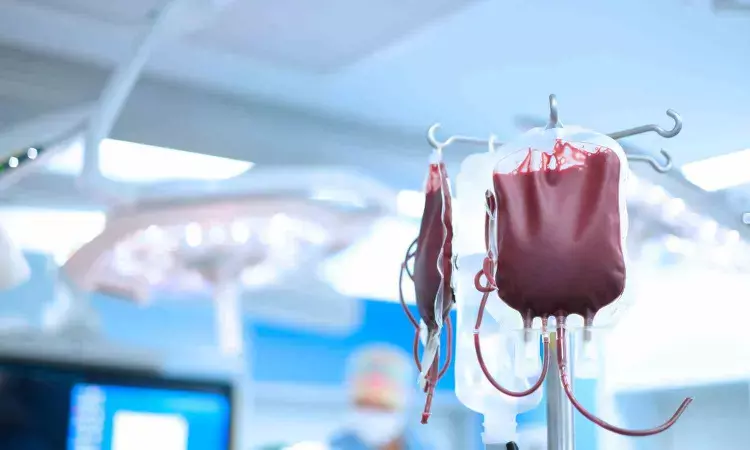
Blood transfusion


Jaipur: The Union Health Ministry has flagged serious shortcomings in the functioning of blood banks across Rajasthan, raising questions over patient safety and the quality of blood transfusion services in the state.
Following inspections, the Centre found multiple lapses, including poor record-keeping, inadequate ELISA testing, and failure to report HIV-positive cases to the State AIDS Control Society.
In a letter dated January 15, Union Health Secretary Punya Salila Srivastava wrote to Rajasthan Principal Secretary (Health) Gayatri Rathore, stressing that blood transfusion services are a core pillar of patient care and calling for sustained attention to regulatory compliance, quality standards and robust operational practices to ensure safe, quality-assured blood and blood components.
Also read- MP: Doctor, 2 lab technicians suspended after 6 Thalassemic children test HIV positive
The centre asked the state to discourage continued reliance on replacement blood donation and instead promote voluntary, non-remunerated regular blood donors with support from the State Blood Transfusion Council.
The ministry listed several mandatory frameworks that blood banks must comply with, including the National Standards for Blood Centres and Blood Transfusion Services (2022), Transfusion Medicine Technical Manual (2023), External Quality Assessment Scheme (EQAS) Operational Guidelines (2024), Guideline for Voluntary Blood Donation (2024) and the revised Donor Selection and Referral Guidelines (2025).
A health department official told TOI, "The Union health secretary underscored that all blood centres in the state must function strictly in accordance with applicable statutory provisions and national guidelines and standards issued from time to time by the National Blood Transfusion Council (NBTC)."
The letter also highlighted that Risk-Based Inspections (RBI) of blood centres have been initiated by the Central Drugs Standard Control Organisation (CDSCO). States and Union Territories were asked to accord priority to the matter. It sought a comprehensive audit of blood centres in each State/UT under the stewardship of the State Drug Regulator, with checkpoints outlined.
The ministry reiterated that blood centres must operate with a valid licence and comply with regulatory standards on infrastructure, staffing, equipment and processes under the Drugs and Cosmetics Act, 1940, and its rules.
It also reiterated mandatory testing of all blood units for transfusion-transmitted infections, HIV, Hepatitis B, Hepatitis C, Malaria and Syphilis and called for strengthening HIV, Hepatitis B and Hepatitis C testing through fourth-generation CLIA/ELISA. Reactive units were to be discarded under the Bio-Medical Waste Management Rules, 2016.
Also read- Rajasthan Govt Hospitals flout blood transfusion protocols