'Affidavit is as vague as it can be', Allahabad HC questions UP Govt over recruitment board delay
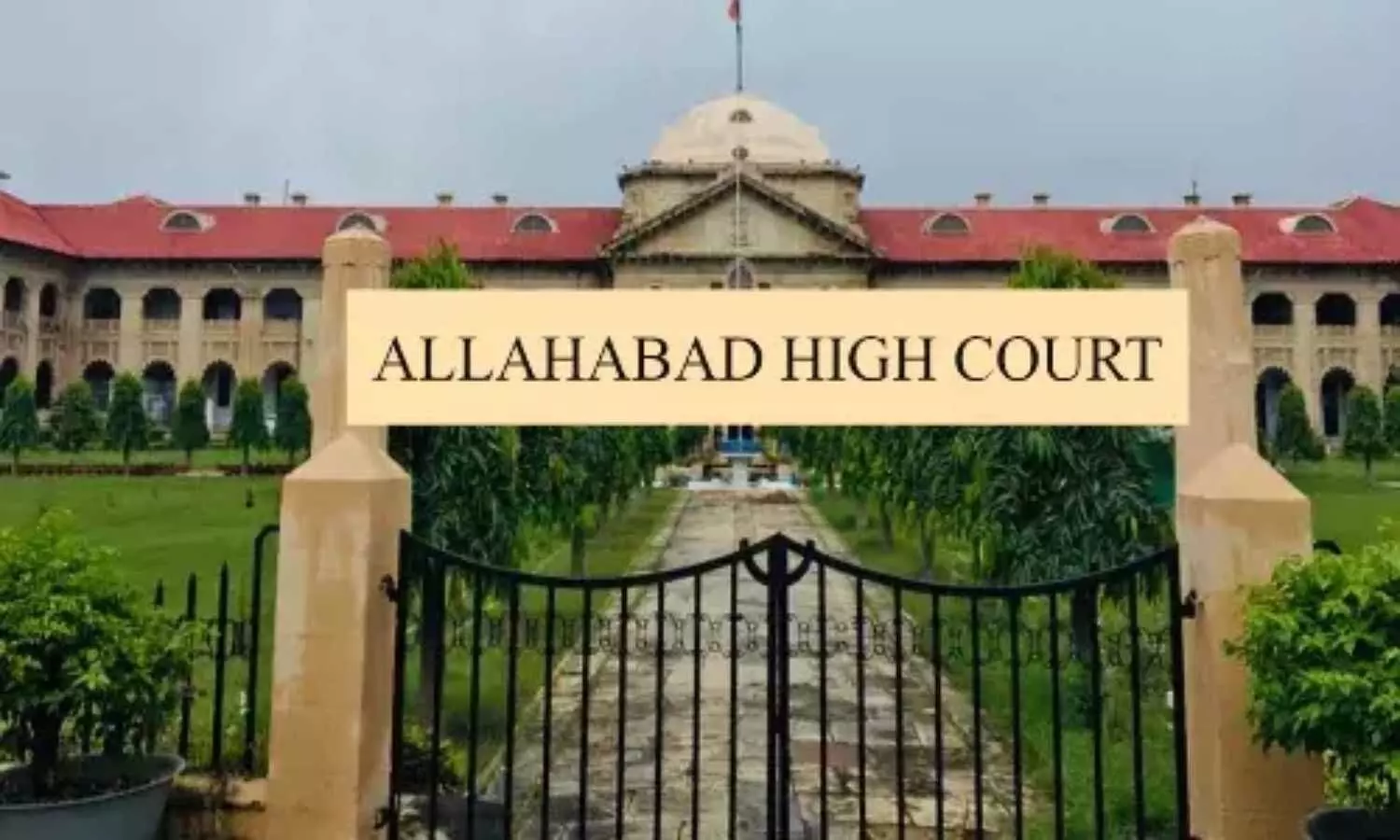


Allahabad: The Allahabad High Court has criticised the Uttar Pradesh government over its failure to establish a dedicated recruitment board for doctors and medical teachers, calling the State's latest affidavit explaining the delay “an eye-wash”. The Court has granted the government one final opportunity to submit a detailed explanation and specify a timeline for setting up the proposed recruitment body.
Justice Siddharth Nandan also expressed concerns over the selection process followed by the Uttar Pradesh Public Service Commission (UPPSC) for appointing professors in government medical colleges. Following an assurance from the Commission's counsel, the Court recorded that the recommendations made for these appointments would not be implemented for the time being.
The matter is scheduled to be heard next on December 8, 2026.
The Court has been monitoring the shortage of regular faculty in government medical institutions since August 24, 2026, when it observed that repeated contractual appointments were leading to litigation, with one temporary employee being replaced by another instead of filling vacancies through regular recruitment.
An affidavit submitted by the Director General of Medical Education and Training, Uttar Pradesh, revealed that more than 500 people were working on contractual appointments across government medical and nursing colleges. Only about 2-3% of positions were held by regular appointees, while nearly 25% of institutions were managed by officiating principals.
The Court had earlier expressed serious concern over the staffing situation, observing that the information placed before it in October had “shocked the conscience of the Court”. It noted that several medical colleges had very few professors heading departments, with these responsibilities largely being handled by associate professors or contractual faculty.
Another affidavit revealed that of 108 professor posts earmarked for direct recruitment, only 26 had been filled. During the proceedings, the State's counsel also submitted that contractual doctors were permitted to engage in private practice, which was cited as a factor affecting the standards of medical colleges.
Court questions delay in recruitment board
The Court noted that the State had issued a notification on January 30, 2026, proposing the constitution of the Uttar Pradesh Specialist Doctors and Medical Teachers Recruitment Board. However, the body had not been established.
In its latest affidavit, the government stated that a draft Ordinance had been prepared because the Legislative Assembly was not in session. However, it failed to provide any specific timeframe for constituting the board.
Finding the explanation inadequate, the Court observed that “The affidavit is as vague as it can be” and that it “only appears to be an eye-wash”, Law Trend reported.
The Bench acknowledged that issuing an Ordinance was a policy decision but said the government could not rely on this explanation indefinitely, particularly when the original notification had been issued with the Governor's consent.
The State's Standing Counsel assured the Court that a fresh and comprehensive affidavit would be submitted, specifying the timeline for establishing the recruitment board and clarifying whether contractual doctors were permitted to undertake private practice.
Granting the government a final opportunity, the Court stressed that “the welfare of the citizens of the country is paramount and providing medical facilities to them is one of the primary duties of a welfare State.” It warned that the concerned officer would be required to appear personally if the next affidavit failed to address the issues raised by the Bench.
UPPSC selection process under scrutiny
Apart from the delay in setting up the recruitment board, the Court questioned the transparency and safeguards followed by the UPPSC while selecting professors for government medical colleges.
It noted that the affidavit filed by the Commission's Secretary did not explain the criteria used to ensure the integrity and transparency of the selection panel.
The Commission's counsel placed before the Court the procedure for appointing examiners under the relevant 1985 Act and assured that the prescribed undertaking format would also be submitted.
The Court directed the UPPSC Secretary to clarify whether examiners had declared that they did not know the candidates personally. It also sought details on whether candidates were required to disclose findings of misconduct or pending inquiries against them.
The Commission has further been asked to explain whether a government order mandating electronic requisitions applies to a requisition submitted in 2021. The Secretary may have to appear with the relevant records if the required information is not furnished.
At the petitioner's request, the Court also directed that the former UPPSC Chairman be impleaded in the proceedings, observing that he was heading the Commission when the recommendations were issued, “just few days before his retirement”.
The State's counsel informed the Bench that the recommendations would remain on hold until the Commission submitted its report on compliance with the prescribed integrity safeguards, subject to further court orders. A copy of the order has been directed to be forwarded to the State government within 48 hours.