Delhi plans mobile app for EWS patients to check hospital bed availability
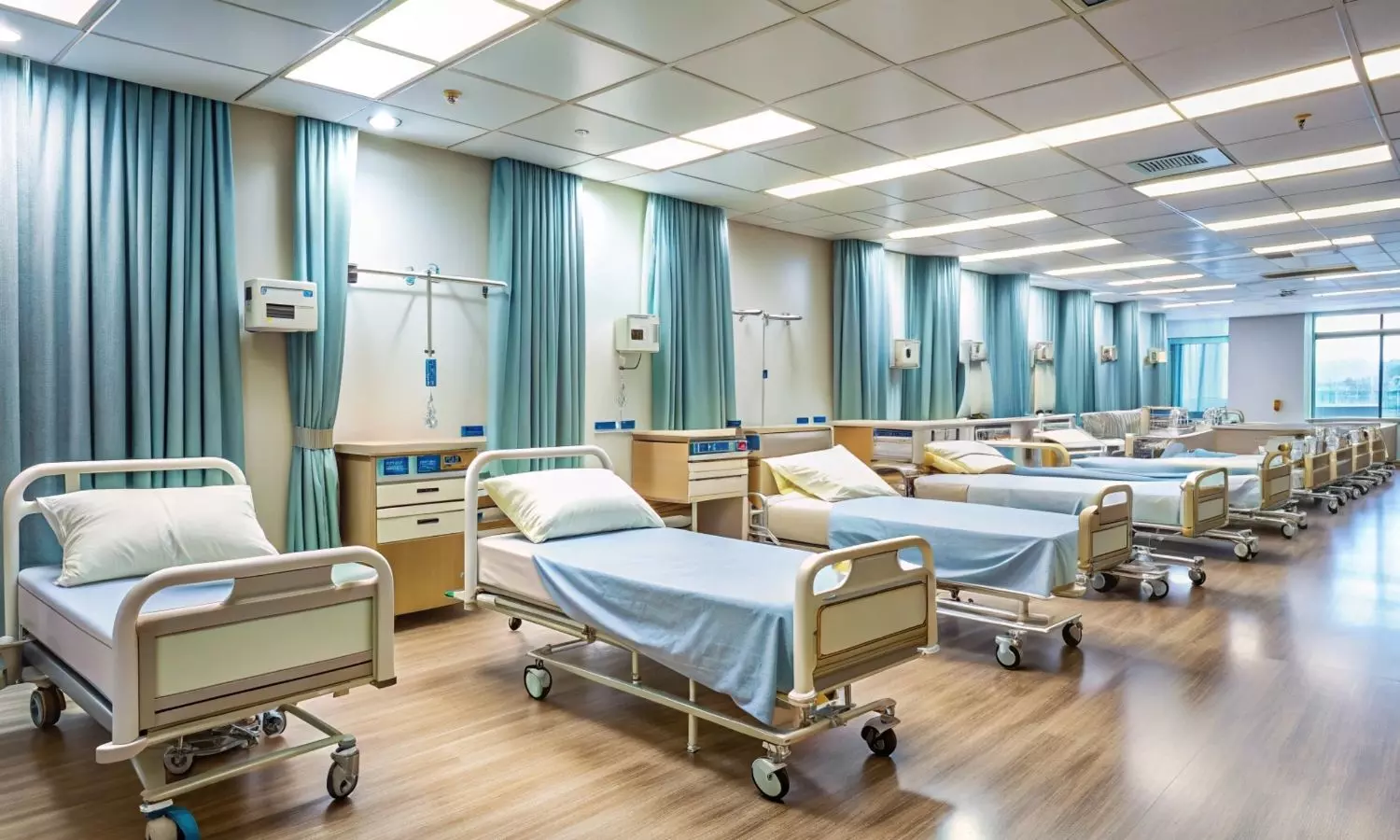


New Delhi: The Delhi government is planning to launch a mobile app to help EWS patients check the availability of vacant beds, including ICU beds, at identified private hospitals, as over 3,000 EWS patients were treated free of cost daily between April 2025 and October 2026.
The proposed Android and iOS application is expected to allow people to check the availability of vacant and occupied beds, as well as ICU beds, before visiting a hospital, saving them time and travel expenses.
According to an official, an online portal displaying live bed availability at identified private hospitals is already operational. It provides details of the hospitals, the total number of EWS beds, vacant beds, and the names and contact details of government liaison officers posted there, PTI reported.
Hospitals and liaison officers update the portal three times a day, at 9 am, 2 pm and 6 pm.
An analysis of official data showed that 18,73,238 EWS patients received free treatment between April 2025 and October 2026. Of these, 17,78,938 were outpatients, and 94,300 were inpatients. This translates into an average of around 3,235 patients treated free of cost every day during the period.
In 2024-25, a total of 7,65,422 patients received free treatment under the EWS category, including 7,23,522 outpatients and 41,900 inpatients.
Under the EWS scheme, eligible patients can avail free treatment at identified private hospitals that were allotted land at concessional rates. The annual income eligibility limit for the scheme was increased from ₹2.2 lakh to ₹5 lakh following a Delhi High Court order in January this year.
The court directed that the revised income criteria be applicable across all government hospitals in Delhi and identified private hospitals built on land allotted at concessional rates. Hospitals were also directed to publicise the revised eligibility criteria so that more people could avail the benefit.
The government published a newspaper advertisement on April 12 to inform the public about the scheme and the revised income limit, the official added.
The number of identified private hospitals providing treatment under the scheme has increased to 58, with Amerix Hospital and Sant Nirankari Health City among the two latest additions. The number of government liaison officers has also been increased from 22 to 39. They are currently posted in 56 identified hospitals, reports PTI.
In another healthcare initiative, around 85,000 newborns have been screened, and nearly 1,000 babies have received treatment under the Delhi government's ANMOL scheme as of November 10, officials shared.
ANMOL, or Advanced Newborn Monitoring and Optimal Life Care, aims to screen newborns for congenital, genetic and metabolic disorders to enable early detection and treatment.
The annual screening target under the programme has been increased from 1.5 lakh to 2.5 lakh newborns, while the number of conditions covered has been expanded from 56 to 63.