Karnataka introduces stringent measures for blood banks to reduce transfusion errors
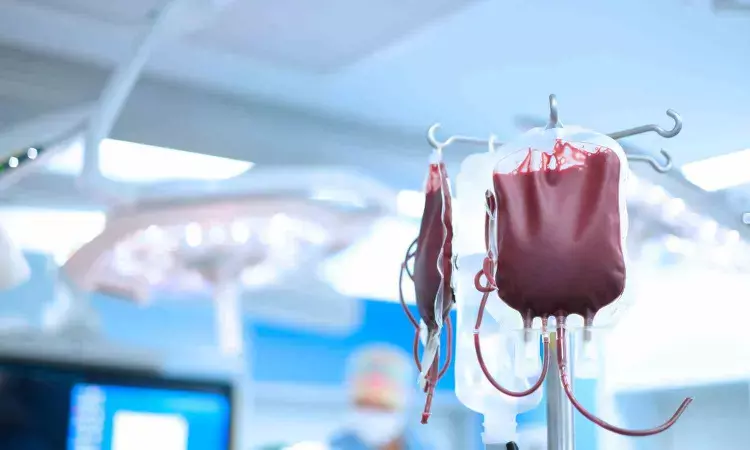
Blood transfusion


Bengaluru: In a bid to reduce blood transfusion errors, the Karnataka government plans to introduce stringent measures, including adopting global protocols, mandating accreditation, and appointing district-level officers to monitor blood bank operations.
The decision comes in the wake of reports from Faridabad, Haryana, where two thalassaemia patients allegedly contracted HIV from infected blood transfusions.
Also Read:Pregnant Woman Dies After suspected Blood Transfusion mix-up at SMS Hospital
In addition, the government will appoint senior professors from blood-transfusion medicine or pathology departments as district-level blood transfusion officers to strengthen the management and oversight of blood banks.
Karnataka currently has 266 blood centres, of which 223 are private. Bengaluru has the highest concentration with 85 centres (72 private, 13 government), followed by Belagavi, Bagalkot, Dakshina Kannada, and Kalaburagi districts.
Speaking to the TOI, Padma Basavanthappa, project director of AIDS Prevention Society, said," To obtain these accreditations and certifications, blood banks will have to follow international standard protocols that ensure the safety of the blood. The accreditation rule is currently not mandatory under the National Blood Transfusion Bill, 2025, but we proposed to the Centre to include it."
Existing monitoring measures, including surprise inspections by the health and drug control departments every 3 to 6 months, will continue alongside the new measures.
For patients like those with thalassaemia, who require frequent transfusions, the state will now implement Multiplex Nucleic Acid Testing (MNAT)—a more sensitive method than the widely used ELISA test. While ELISA detects infections through enzyme-linked antibodies that produce a color change when infection markers are present, MNAT can detect infections contracted within the past 24 hours, significantly reducing the risk of transmitting infectious diseases through transfusion.
Also Read:Blood transfusion mix-up: Two nurses of Aundh District Hospital suspended