
Karnataka medical colleges to adopt rural health centres for specialist care
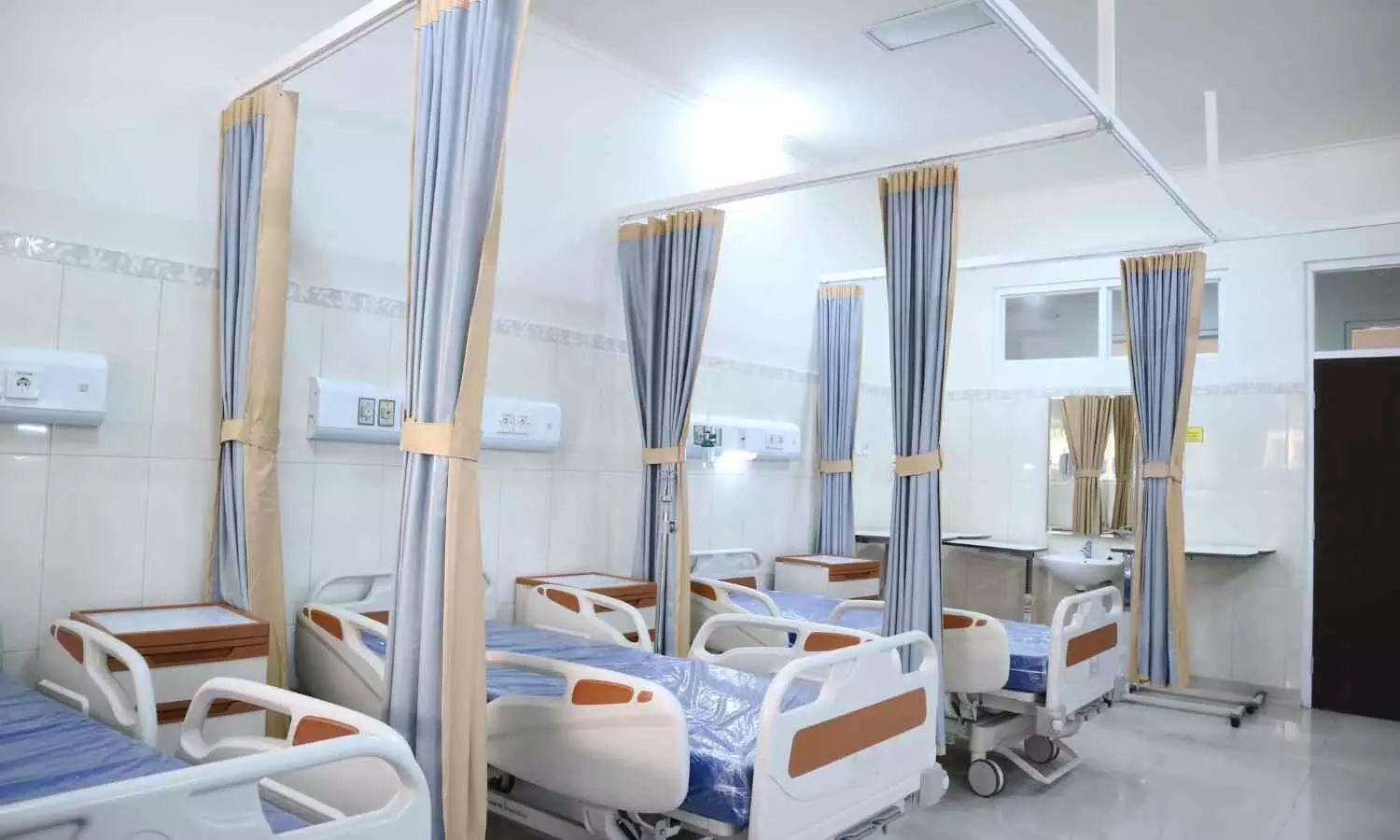


Bengaluru: The Karnataka government has directed all government and private medical colleges to adopt taluk hospitals, Community Health Centres (CHCs) and Primary Health Centres (PHCs) to improve access to specialist care in rural areas.
The initiative is part of the Chief Minister’s 100-day programme and aims to address the shortage of specialist doctors at the grassroots level.
Under the programme, medical colleges will provide specialist services at the adopted health facilities through consultants, senior residents, postgraduate residents and medical officers. Their deployment may be arranged on daily, weekly, twice-weekly or monthly rotational schedules depending on the requirement.
The programme will focus on bringing specialities such as gynaecology, anaesthesia, paediatrics and orthopaedics closer to patients who currently have to travel to district hospitals or medical colleges for specialised treatment, according to the Daily.
Medical colleges will also conduct fixed-day specialist OPDs, with monthly schedules prepared in advance. This will allow health workers, including ASHAs, to identify and register patients before specialist visits.
The Health Department will support the adopted facilities with infrastructure, diagnostic services, medicines, blood and emergency ambulance support. The arrangement is also expected to strengthen existing rural health facilities, improve utilisation of secondary-care centres and reduce unnecessary referrals to higher hospitals.
The two departments will enter into agreements with medical colleges for implementation. District Health Officers and college authorities will be responsible for reviewing the progress of the programme and ensuring that specialist services are delivered as scheduled.
The circular stated that the initiative is expected to improve access to specialist healthcare, strengthen existing healthcare infrastructure and reduce overcrowding at district hospitals. The two departments will have agreements with medical colleges to implement this initiative, reported TNIE.
Specialist services will thus be made available closer to rural communities.
