Rabies Immunoglobulin shortage at BMC hospitals despite SC, NMC directives
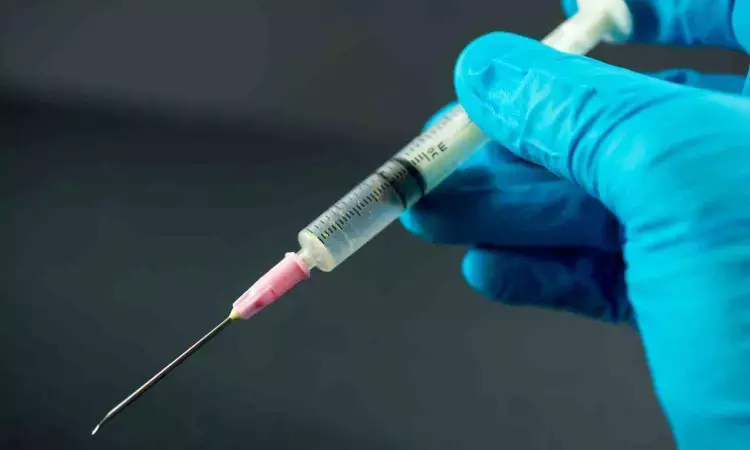
Rabies


Mumbai: Even after the Supreme Court’s directive mandating that all government and private hospitals maintain an adequate stock of anti-rabies vaccine (ARV) and rabies immunoglobulin (RIG) at all times, at least three popular and major civic hospitals, VN Desai Hospital, Cooper Hospital and Jogeshwari Trauma Hospital do not have adequate availability of rabies immunoglobulin, forcing patients with serious dog bites to run from one hospital to another.
Medical Dialogues had previously reported that the National Medical Commission (NMC) issued a public notice directing all medical colleges and healthcare institutions to ensure strict compliance with the directions of the Supreme Court of India concerning the prevention of stray dog entry into institutional premises, following a rise in dog-bite incidents across the country.
The public notice pertained to the Suo Motu Writ Petition, titled “City Hounded by Strays, Kids Pay Price”, wherein the Supreme Court issued stringent and time-bound directives to secure public institutions such as educational establishments, hospitals, sports complexes, bus stands, and railway stations from stray dog ingress.
Therefore, as outlined in the notice, the Supreme Court’s order mandated that All Government and private hospitals maintain a mandatory stock of anti-rabies vaccine (ARV) and immunoglobulin (RIG) at all times.
In view of these directions, the NMC urged all medical colleges and institutions to take immediate and necessary action to comply with the court’s orders. The Commission emphasised that the matter should be treated with utmost priority, given its direct implications on public safety and healthcare preparedness.
Despite this, several patients who visited BMC-run hospitals in January were either denied rabies immunoglobulin or referred elsewhere due to stock shortages, according to patient accounts and hospital records assessed by HT.
On January 9, an 18-year-old girl with a Category 3 dog bite on her upper body reached VN Desai Hospital in the evening. While she was given tetanus and anti-rabies vaccine, she had to be referred to another hospital because immunoglobulin was not available, despite the high risk associated with her injury.
In another case, a 24-year-old man with a deep stray dog bite on his calf visited Cooper Hospital on January 11. He, too, received tetanus and vaccine shots but was asked to go to another hospital within 24 hours for immunoglobulin.
A 30-year-old professional dog trainer also faced a similar situation at Cooper Hospital on January 21.
Additionally, due to constant referrals to the Jogeshwari trauma centre, the hospital has now flagged a shortage of immunoglobulin. In a letter issued to hospitals and the BMC, the trauma centre officials said, "This is to inform you that immunoglobulin is not in stock in the medical store. Only two vials are remaining."
A senior doctor from a BMC-run hospital explained that "Rabies treatment involves two crucial components. Anti-rabies vaccination is given in a schedule. But in severe cases, vaccination alone is not enough. In Category 3 bites, where there is deep bleeding, multiple wounds or bites on the upper body, the virus can enter the nervous system very quickly. Rabies immunoglobulin is essential in such cases because it provides immediate antibodies that neutralise the virus at the wound site."
The official acknowledged challenges related to the procurement of rabies immunoglobulins but added that there was no ambiguity in the court’s and the NMC’s directions.
"Immunoglobulin is expensive and not required in all cases, which is why it was earlier selectively used. But once the guidelines are issued, hospitals are duty-bound to keep them available. There is no room for interpretation now. Any delay in administering immunoglobulin increases the risk of death. Once symptoms appear, rabies is untreatable and fatal," the doctor added.