Prosecution cannot continue without evidence of gross negligence supported by expert opinion: Patna HC grants relief to orthopaedic surgeon
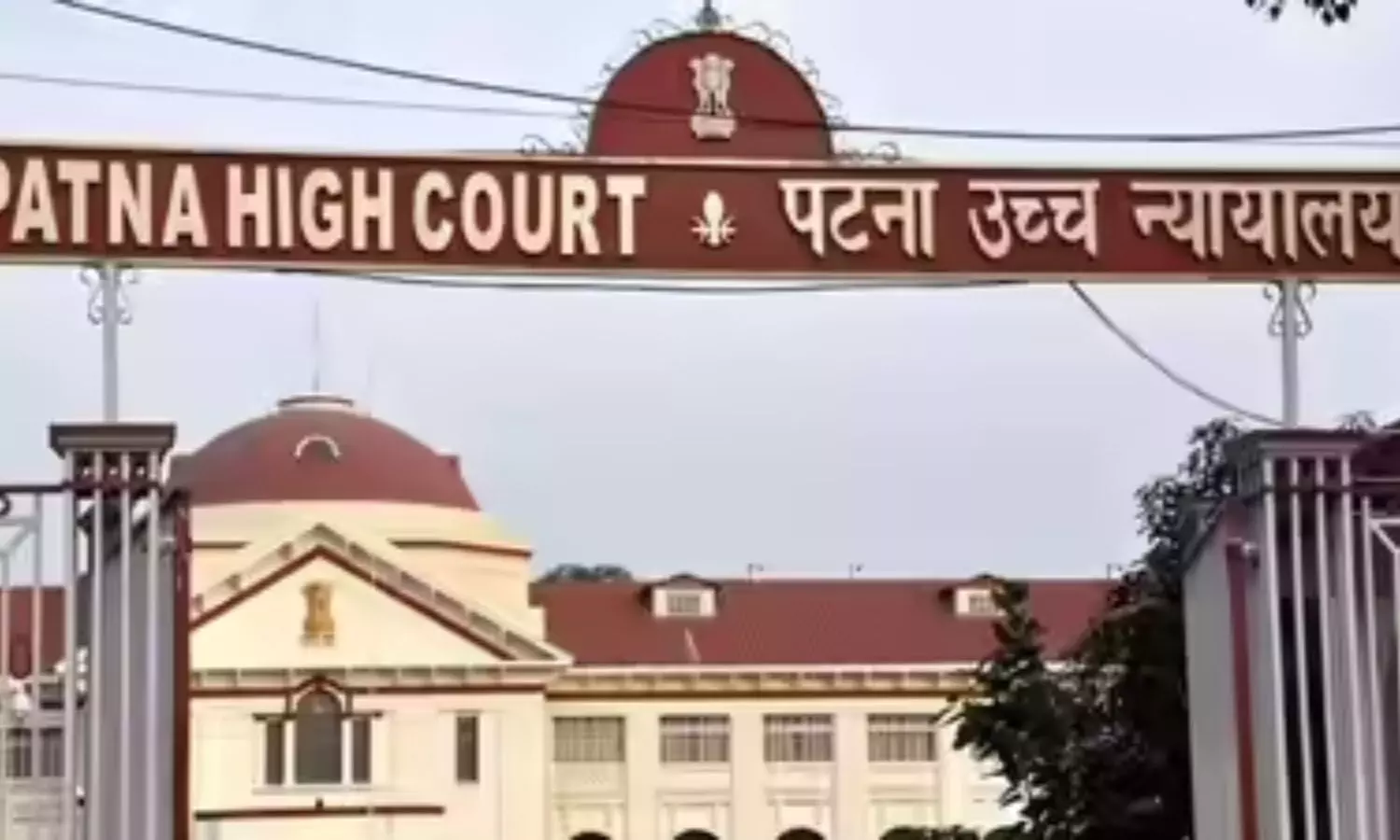
Patna High Court


Patna: In a recent ruling, the Patna High Court held that criminal prosecution for alleged medical negligence cannot continue against a doctor without prima facie material disclosing gross negligence supported by competent medical opinion.
"The jurisprudence governing medical negligence consistently recognizes the distinction between civil liability and criminal culpability, lest the fear of criminal prosecution erodes independent medical decision making and adversely impacts public health care. The Constitutional guarantee under Article 21 of the Constitution of India encompasses not only the patient’s right to life but also the medical professionals right to practice the profession with dignity, fairness and protection against arbitrary criminal prosecution. In the absence of prima facie material disclosing gross negligence supported by competent medical opinion permitted the prosecution to continue would result in manifest injustice and defeat the very object of criminal justice system," held the High Court bench comprising Justice Chandra Shekhar Jha.
This observation was made while granting relief to a doctor accused of medical negligence allegedly leading to the death of the patient.
Case Background:
Back in 2012, the complainant's father suffered a fracture of his hand and consulted the petitioner-doctor, who advised admitting the patient to a nursing home in Patna. It was alleged that the patient was forcibly operated on, and excessive anaesthesia and a poisoned injection were given to him. Due to this, the patient allegedly became unconscious during the surgery, and therefore the complainant brought the patient to PMCH Patna, where his condition deteriorated, and ultimately he died.
Based on the complaint, an inquiry was conducted, the complainant was examined, as were other witnesses, and the Jurisdictional Magistrate took cognisance against the petitioner for offences punishable under Sections 420, 304-A and 504 of the Indian Penal Code. Seeking discharge from the case, the doctor filed the plea before the HC bench.
The counsel for the petitioner submitted that the petitioner had been falsely implicated. It was submitted that the patient was operated only after conducting essential tests at the initial stage.
Further, the counsel submitted that after getting discharged from the Nursing Home, the patient was taken to a hospital in Patna and later to PMCH Emergency Ward. It was submitted that considering the health condition of the patient, the operation was stopped at the nursing home and the patient was allegedly discharged from the nursing home in good condition.
The counsel argued that there is a chance that some negligence may have happened in the hospital in Patna and due to this, the complication was developed.
In support of his contention, the counsel relied on Supreme Court's landmark judgment in Jacob Mathew, where the Apex Court held that "Indian Penal Code, 1860, Section 304-A prosecuting Medical Professionals guidelines a private complaint may not be entertained unless the complainant had produced prima facie evidence before the Court in the form of a credible opinion given by another competent doctor to support the charge of restness or negligence on the part of the accused doctor."
The counsel contended that the same view was affirmed by the Apex Court in other judgment also, where it had been held that the Courts have to be extremely careful to ensure that unnecessarily professionals are not harassed, as they will not be able to carry out their professional duties without fear
It was submitted that the observation of the trial court while taking cognizance against the petitioner is completely contrary to the law settled by the Apex Court, where it is clearly settled that no private complaint would be entertained against doctor until and unless the complainant had produced prima face evidence before the court in the form of credible opinion given by another competent doctor to support the charge of restness or negligence on the part of the accused-doctor.
On the other hand, the counsel for the complainant submitted that the petitioner was tested legally after considering the material available on records and after this, the trial court found that the allegation is not groundless and, therefore, rightly ordered to put petitioner on trial for offence as alleged to be committed for offences punishable under Section 304-A of the IPC.
High Court's observations:
While considering the matter, the HC bench referred to the observations made by the Supreme Court in the cases of Bhajan Lal,, Jacob Mathew, Rajiv Thapar Case, and also Dipakbhai Jageishchandra Patel case.
Relying on these judgments, the HC bench concluded that the jurisprudence governing medical negligence consistently recognizes the distinction between civil liability and criminal culpability. It also held that without prima facie material disclosing gross negligence supported by competent medical opinion, allowing the prosecution would result in manifest injustice and defeat the very object of criminal justice system.
Accordingly, the bench ordered to quash the criminal prosecution of the petitioner-doctor and held, "Accordingly, in exercise of the inherent jurisdiction of this Court to secure the ends of justice and prevent the abuse of process of law the impugned criminal proceeding, insofar as it relates to the petitioner, deserve to be quashed in view of Jacob Mathew case."
"Hence, the impugned order dated 12.12.2017 with all its consequential proceedings qua petitioner as passed by learned Sub-Judge-II-cum-Additional Chief Judicial Magistrate, Patna in Complaint Case No.2557 of 2012, is hereby set aside/quashed," the bench ordered.
To view the order, click on the link below:
https://medicaldialogues.in/pdf_upload/2026/07/30/patna-hc-dr-govind-mohan-362322.pdf