
Prepare contingency plans to protect patients, attendants outside Govt Hospitals: HC directs DUSIB
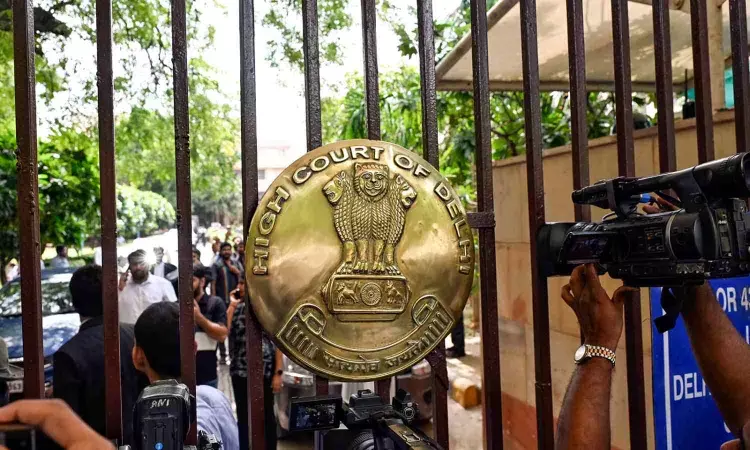


New Delhi: The Delhi High Court on Monday directed the Delhi Urban Shelter Improvement Board (DUSIB) to prepare two annual short-term contingency action plans to safeguard patient attendants staying outside major government hospitals during extreme weather conditions.
The Court ordered that one plan should address heatwave conditions and the other coldwave situations, and both to be framed strictly in accordance with the recommendations of the District Judge-led monitoring committee overseeing the matter.
As per the directions, the summer action plan must be prepared every year during January-February, anticipating the onset of extreme heat, and implemented during May and June, with scope for extension till July-August depending on prevailing conditions, news agency ANI reported.
Also Read:3000-bed facility planned for patients' attendants: AIIMS Delhi informs HC
Similarly, the winter contingency plan must be finalised during July-August each year and implemented during December, January and February to respond effectively to coldwave emergencies.
The Bench further directed that once prepared, each action plan shall be placed before a coordination meeting chaired by the Principal District Judge, Saket, for deliberation and approval. Only thereafter shall the plan be operationalised, with its duration linked to the severity of weather conditions.
These directions were issued in a suo motu writ petition initiated by the High Court to address the recurring hardship faced by patient attendants compelled to remain in open areas outside hospitals during extreme weather, particularly during the winter season.
During the hearing, the Court took on record a detailed status report filed by the All India Institute of Medical Sciences (AIIMS), New Delhi, outlining the steps taken to provide shelter, food, safety and essential amenities to patient attendants. The status report, filed through Advocate Satya Ranjan Swain appearing for AIIMS, detailed coordinated efforts undertaken in collaboration with DUSIB, NDMC, MCD, Delhi Police and other agencies.
The Court noted that coordinated inter-agency action had begun to yield tangible results on the ground, while emphasising that sustained supervision and structured planning were necessary to avoid lapses in future.
According to the AIIMS status report, approximately 70 pagoda-style temporary shelters had been installed at strategic locations around hospital premises, with additional units added based on demand. Each pagoda can accommodate about 10 persons, and authorities committed to installing 80-100 more shelters wherever space permits.
The report further added that all operational shelters--totalling around 750 beds across multiple AIIMS locations, including Gate Nos. 2, 3, 4, 5 and the Trauma Centre Road were fully occupied, reflecting both high demand and effective utilisation. Patient attendants were provided bedding, LED lighting, drinking water, toilets, fire safety equipment and basic medical kits.
Food support was being facilitated through the Society for Promotion of Youth and Masses (SPYM), with two meals per day and morning tea provided at all shelter sites. Free e-shuttle services were also operational during night and early morning hours to ensure safe internal movement of patients and attendants, with monitoring data reflecting consistent usage.
AIIMS informed the Court that it had offered additional land for erecting shelters, expanded existing facilities, strengthened patient support services and deployed dedicated teams to guide attendants to available shelters.
Security arrangements have been enhanced with 24x7 deployment of AIIMS security personnel at key locations, in coordination with the Delhi Police.
Safdarjung Hospital, Lady Hardinge Medical College and Ram Manohar Lohia Hospital similarly assured the Court that vacant plots and parking areas within their campuses had been identified for temporary shelters, while civic agencies ensured uninterrupted water supply, sanitation, electricity and cleanliness at shelter sites.
During the previous hearing, the Court also made an appeal to the legal fraternity to voluntarily support the proposed long-term infrastructure for patient attendants. Clarifying that no formal directions were being issued, the Bench expressed the hope that lawyers would step forward, as they have in other public welfare initiatives.
Responding to the Court's appeal, Delhi High Court Bar Association President N. Hariharan assured the Bench that efforts would be made to mobilise contributions from members of the Bar. Rajiv Nayar, Senior Advocate, and Chetan Sharma, who were present in Court, also volunteered to make initial donations. Hariharan stated that he would personally contribute, while the Arun Jaitley Foundation announced its intention to support the initiative, reports ANI.
Taking note of AIIMS' proposal to construct a 3,000-bedded Vishram Sadan at Ansari Nagar, the Court described it as a critical long-term solution to provide dignified accommodation to patient attendants who often remain in Delhi for prolonged treatment periods.
Also Read:Doctors move HC against Delhi govt's senior resident recruitment process
